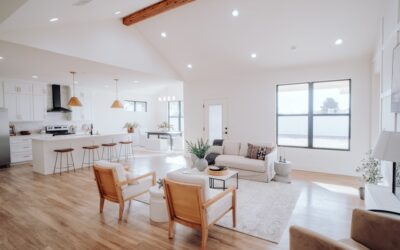
Few floors deliver the deep chocolate warmth that walnut does straight out of the box, with no stain required. Real walnut flooring, milled from American black walnut, is prized for its rich brown heartwood, swirling grain, and the kind of understated luxury that makes a room feel finished. But walnut comes with trade-offs that oak and hickory do not, and buyers who fall for the look without understanding its softness and color behavior often end up disappointed. This guide walks through what genuine walnut actually offers, where it works, and how to buy it without overpaying.
What Counts as Real Walnut
When people say walnut flooring, they almost always mean American black walnut (Juglans nigra), the native North American species. Its heartwood ranges from a light tan to a deep, almost purple-brown chocolate, often with streaks of darker and lighter tones in the same board. The sapwood is pale, sometimes nearly cream, which is why higher grades are sorted to keep boards consistent.
Watch the labels carefully. “Brazilian walnut” is not walnut at all. That name refers to ipe, a dense tropical species sold mainly for decking. “American walnut” is the real thing. If a price seems too good for walnut, confirm the species rather than the marketing name, because the difference in hardness and value is enormous.
Solid vs Engineered Walnut
You can buy walnut as solid planks or as engineered flooring, and the choice matters more with walnut than with harder woods.
- Solid walnut is a single piece of wood, typically 3/4 inch thick. It can be sanded and refinished several times over its life, which matters for a softer wood that will show wear. It needs nail-down installation over a wood subfloor and is sensitive to humidity swings.
- Engineered walnut bonds a real walnut wear layer over a plywood or HDF core. It is more dimensionally stable, can go over concrete or radiant heat, and installs as floating, glue-down, or nail-down. Look for a wear layer of at least 2mm (ideally 3mm or more) if you want the option to refinish later.
For most homeowners, a quality engineered walnut with a thick wear layer is the smarter buy. You get the authentic surface with far less seasonal movement.
The Honest Downsides: Softness and Color Change
Here is what walnut salespeople sometimes gloss over. Walnut is relatively soft. On the Janka hardness scale it sits around 1,010, compared to about 1,290 for red oak and 1,820 for hickory. That means walnut dents and dings more easily under dropped objects, dog claws, and high heels. In a busy household with kids and pets, expect it to develop character, politely called a “lived-in” look, faster than oak would.
The second quirk is photo-darkening in reverse. Unlike cherry, which darkens with light, walnut tends to lighten and mellow over time, with its deep browns softening toward a warmer, more golden tone after a few years of sun exposure. Area rugs left in place can create visible color differences between covered and exposed areas. Rotate rugs and furniture periodically so the floor ages evenly.
Where Walnut Works Best
Walnut shines in spaces where its softness is less of a liability and its beauty gets noticed: formal living rooms, primary bedrooms, home offices, and dining rooms. Its dark tone reads luxurious and hides minor surface dust, though it does show light-colored pet hair and footprints more than mid-tone floors.
I steer clients away from solid walnut in mudrooms, busy entryways, and homes with large dogs unless they accept that the floor will patina quickly. A harder species, or a walnut-look engineered product with a tough aluminum-oxide finish, may serve those rooms better.
What Real Walnut Flooring Costs
Walnut is a premium domestic hardwood, and the price reflects it. As a general range, expect roughly $6 to $12 per square foot for the material alone, with wide-plank, character-grade, or wire-brushed options pushing higher. Engineered walnut with a thin wear layer can start lower, while solid, clear-grade, wide boards from a specialty mill sit at the top. Installation typically adds $3 to $8 per square foot depending on method and region. Prices vary by supplier and market, so treat these as planning figures, not quotes, and always confirm current pricing with your dealer.
Caring for Walnut Floors
Because walnut is softer, prevention does most of the work. Use felt pads under all furniture legs, keep pet nails trimmed, and place mats at entries to trap grit, which is the main cause of fine scratching. Sweep or dust-mop regularly and clean with a hardwood-specific cleaner rather than water or all-purpose sprays. Maintain indoor humidity in the 35 to 55 percent range to limit gapping and cupping, especially with solid planks.
When the finish eventually dulls in traffic lanes, a screen-and-recoat refreshes the surface without a full sanding. Solid walnut can be fully refinished when needed; thin-veneer engineered cannot, which is one more reason to invest in a thicker wear layer up front.
Walnut vs Other Popular Hardwoods
It helps to see walnut next to the woods it competes with. Compared to red oak, walnut is darker and richer out of the box but softer and pricier, and oak’s prominent grain hides scratches better. Against hickory, walnut loses badly on hardness (1,010 vs 1,820) but wins on understated elegance, since hickory’s wild grain and color variation are not for everyone. Maple is harder and far lighter, a near-opposite aesthetic. If your heart is set on dark wood but you need more durability, you might consider a stained oak or a walnut-look engineered product with a tough wear layer rather than soft solid walnut.
Grades and Buying Tips
Walnut is sorted into grades that dramatically affect both price and appearance. Clear or select grades keep color uniform with minimal sapwood and few knots, commanding the highest prices. Character or rustic grades include more sapwood streaks, knots, and color variation, which costs less and suits a more relaxed look. Decide which you want before shopping, and always view a large sample or, better, several boxes, since walnut’s natural color range is wide and a small chip will not represent the floor. Order 5 to 10 percent extra for waste and future repairs, and keep a few spare boards, because matching walnut later is difficult once a dye lot is gone.
Is Real Walnut Right for You?
Choose real walnut flooring if you want genuine, warm, dark wood with unmistakable richness and you are comfortable letting it age gracefully. Skip it if you need a bulletproof surface for a high-traffic, pet-heavy home, or if your budget is tight, since look-alike engineered and laminate products capture much of the appearance for less. Buy the best wear layer you can afford, sort for color consistency, and you will have a floor that anchors a room with a depth few other woods can match.
Prefer to explore on your own?
See how new flooring looks in your actual room in seconds — free, no signup.
Try the free Floor Studio →