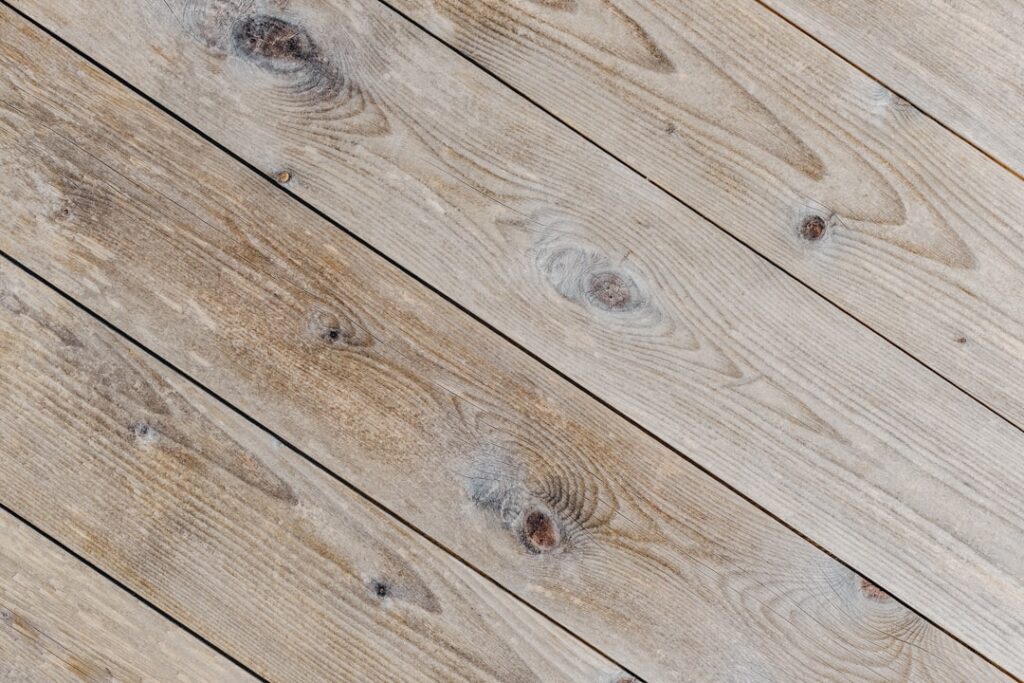
The heart pine in a salvaged 1890s factory beam grew for 200 to 400 years before it was ever cut, packing growth rings so tight the wood is nearly twice as hard as the fast-grown pine sold today. Reclaimed heart pine flooring gives you that irreplaceable old-growth timber, milled from beams and boards pulled out of centuries-old buildings, with a warm amber patina and character that no new wood can fake. It’s history underfoot, and it’s one of the most sought-after specialty floors in America.
It also comes with real trade-offs in price, sourcing, and installation. Here’s an honest look before you commit to what is genuinely a premium investment.
What Makes Heart Pine Special
Heart pine comes from the heartwood of the longleaf pine, a tree that once blanketed the Southeast and was logged nearly to extinction by the early 1900s. Old-growth longleaf grew slowly in dense forests, producing extremely tight grain and high resin content. That gives reclaimed heart pine a Janka hardness around 1225, close to red oak and dramatically harder than the soft new-growth pine at the lumberyard. Because the old-growth trees are essentially gone, nearly all genuine heart pine flooring today is reclaimed.
The Pros
- Irreplaceable character. Rich amber and honey tones, tight grain, and the natural patina of century-old wood.
- Surprisingly hard. Old-growth density makes it far tougher than modern pine, suitable for real living spaces.
- Sustainable and green. Reusing salvaged timber saves old-growth wood from landfills and requires no new logging.
- Historically authentic. Perfect for restorations, farmhouses, and homes that want genuine period character.
- Unique story. Every board carries the marks of its former life, nail holes, bolt holes, saw kerfs, that new wood can’t replicate.
- Refinishable. Solid wood you can sand and refinish multiple times over generations.
The Cons
- Expensive. Among the priciest solid wood floors, driven by scarcity and labor-intensive reclamation.
- Softer than oak in spots. While hard for pine, it can still dent under sharp impacts more than true hardwoods.
- Sourcing takes effort. Genuine reclaimed heart pine comes from specialty dealers, not big-box stores.
- Character can be inconsistent. Nail holes and color variation are the point, but not everyone wants a rustic look.
- Authenticity risk. “Heart pine” is sometimes misused for new pine; verify the source.
Grades and What They Cost
Reclaimed heart pine is sold in grades based on how much rustic character shows:
- Vertical/quarter-sawn grain (premium): Tightest, straightest grain, most stable, $12 to $18+ per sq ft
- Heart face / clear grade: Rich heartwood color, fewer defects, $9 to $14 per sq ft
- Character/rustic grade: Nail holes, knots, color variation, most affordable, $7 to $11 per sq ft
- Installation: add $4 to $8 per sq ft; specialty milling can add more
For a 300-square-foot room, plan on $3,300 to $7,800 installed, more for premium quarter-sawn stock.
Where to Buy It
Genuine reclaimed heart pine comes from timber-salvage specialists who dismantle old mills, barns, and warehouses. Reputable dealers document the source of their material and can tell you the building it came from. Ask specifically whether the wood is old-growth longleaf and where it was reclaimed. Avoid vague “antique pine” labels that may be new-growth softwood. Because it’s a niche product, expect longer lead times and possibly shipping from a regional mill.
Installation Considerations
Reclaimed heart pine installs like other solid wood, but a few points matter more with old material. Acclimate the boards in the room for at least a week, since reclaimed wood has equalized to different conditions and needs to adjust to your home’s humidity. The wood is dense and can be hard on saw blades and nailers, so use quality tools. Expect to sort and lay out boards for color and character before nailing, which takes extra time. Face-nailing with cut nails suits a period look, while blind-nailing gives a cleaner modern finish. Finish with a penetrating oil to enhance the amber tone, or a durable polyurethane for high-traffic protection.
Is It Worth It?
Reclaimed heart pine is a premium, character-driven floor for people who value authenticity and history over the lowest price. It fits restorations, high-end custom homes, and anyone drawn to old-growth wood that literally cannot be manufactured anymore. If your priority is budget or a flawless uniform look, a new oak or a wood-look vinyl will serve you better and cost far less.
But if you want a floor with genuine soul, one milled from timber that grew when the country was young and salvaged rather than logged, reclaimed heart pine flooring delivers something no other product can. Buy from a documented source, budget for the premium, and you’ll have a floor that ages beautifully and carries a story for the next hundred years.
How to Spot Genuine Old-Growth Heart Pine
Because the price commands a premium, it pays to verify you’re getting the real thing. Genuine old-growth heart pine shows extremely tight growth rings, often 15 to 30 rings per inch, a sign of the slow growth in dense ancient forests. New-growth pine, by contrast, has wide, loosely spaced rings from fast plantation growth. The heartwood color deepens to a rich amber or reddish honey over time, and reclaimed boards often carry evidence of their former life: bolt holes, nail holes, and mortise pockets from the beams they came from. Ask the dealer for the source building and the ring count, and be wary of anyone selling cheap “heart pine” that’s actually new-growth softwood.
Caring for a Heart Pine Floor
Once installed and finished, heart pine is durable and low-maintenance, but a few habits protect its patina. Sweep and dust mop regularly to keep grit off the finish, and damp mop sparingly with a pH-neutral wood cleaner, never a soaking-wet mop. Use felt pads under furniture and area rugs in high-traffic paths, since old-growth pine is hard for a softwood but can still show dents from sharp impacts. Keep indoor humidity stable to minimize seasonal movement in the wide, old boards. When the finish eventually wears, the floor sands and refinishes like any solid wood, and each refinish reveals fresh amber color underneath, letting a heart pine floor look beautiful for generations.
Prefer to explore on your own?
See how new flooring looks in your actual room in seconds — free, no signup.
Try the free Floor Studio →