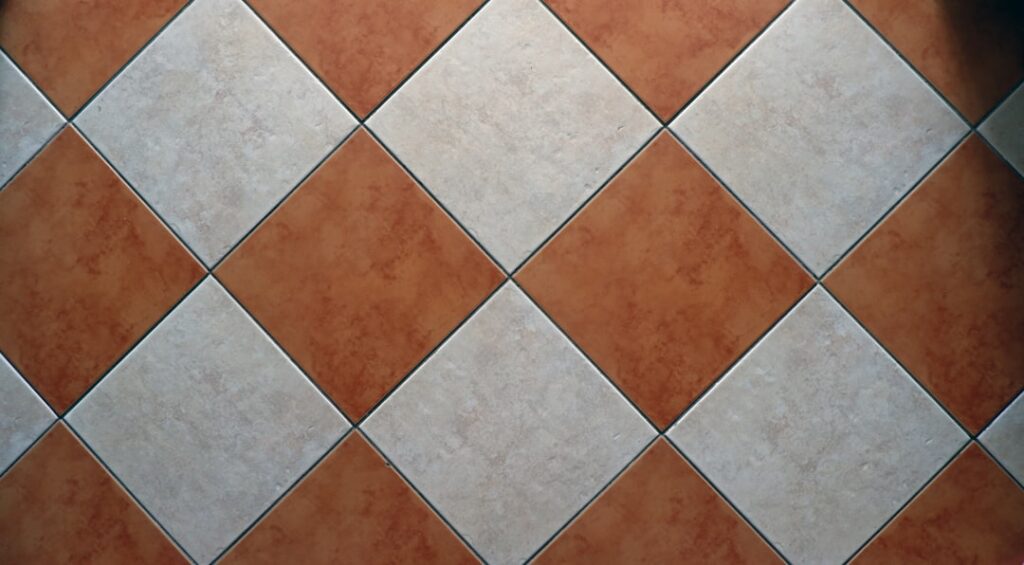
Replacing tile is expensive and disruptive, but freshening the grout between tiles costs a fraction of that and transforms a tired floor or shower in a weekend. A correctly regrouted surface can add five to ten years of life to existing tile and clean up the dingy lines that no amount of scrubbing will rescue. The hard part is knowing when regrouting is the right fix, what type of grout to use, and how to remove old grout without damaging the tile.
Signs Your Tile Actually Needs Regrouting
Not every dirty grout line needs replacement. Deep cleaning with a steam cleaner or a tile-and-grout specific cleaner like Bona PowerPlus Hard-Surface Floor Deep Cleaner at $14.97 per 32 oz often restores 80 percent of the brightness without any demolition. Regrout when cleaning will not fix the underlying problem.
- Hairline cracks running along the joints or at tile corners
- Grout that crumbles when pressed with a fingernail or screwdriver
- Missing chunks where grout has popped out
- Persistent dark staining that cleaner cannot lighten after two attempts
- Mildew that returns within days of bleach treatment
- Water seeping through joints into the substrate (look for warped floors below)
If only a few joints show damage, you can spot-repair rather than redo the whole installation. For widespread cracking or staining, plan to remove and replace all grout in the affected area.
Sanded, Unsanded, or Epoxy Grout
The grout you choose has to match the joint width and the location. Joints wider than 1/8 inch need sanded grout because the sand provides bulk that resists shrinkage cracking. Joints narrower than 1/8 inch use unsanded grout, which has finer texture and works in tight gaps without scratching the tile face.
Epoxy grout costs more but resists staining, mildew, and chemicals far better than cementitious grout. Mapei Flexcolor CQ runs $32 per gallon and Laticrete SpectraLOCK Pro Premium runs $89 per kit. For showers, kitchens, and high-traffic floors, epoxy or premium polymer-modified grouts pay back over time.
Tools You Need for Removal
Removing old grout is where most regrouting projects go wrong. Skip the hand-scraping unless you only need to touch up two or three joints. For full removal, a powered oscillating multi-tool with a grout removal blade is the only sane approach.
The Dewalt DCS356 cordless oscillating tool at $179 or the Bosch GOP18V-28 at $199 paired with a Diablo carbide grout removal blade ($18 each) clear grout four times faster than manual saws and leave clean joint walls. For small jobs, a manual grout saw from QEP at $9.97 works but takes patience.
Step-by-Step Process
Done correctly, a regrouting job follows a strict sequence. Skipping steps means weak bonds, cracking grout within months, and possible tile damage.
- Vacuum the entire area to remove loose dust before starting
- Use the oscillating tool with grout removal blade to cut out grout to at least 2/3 of the joint depth, ideally 1/8 inch or deeper
- Vacuum joints again, then wipe with a damp sponge to remove residual dust that prevents bonding
- Mix grout per manufacturer instructions; cementitious grout needs 10 minutes of slake time before application
- Apply with a rubber float held at 45 degrees, pressing grout firmly into joints in multiple directions
- Wait 15 to 30 minutes (depending on humidity), then wipe diagonally with a damp grout sponge in clean water
- Rinse the sponge constantly and change water frequently to avoid hazing
- After full cure (24 to 72 hours), buff off any remaining grout haze with cheesecloth
- Apply penetrating grout sealer like Aqua Mix Sealer’s Choice Gold at $42 per quart
Sealing is non-negotiable for cementitious grout. Skip it, and you will be regrouting again in three to five years.
Color Matching and Refreshing Without Removal
If your grout is structurally sound but just discolored, grout colorant offers an alternative. Polyblend Grout Renew from Custom Building Products at $13.98 per 8 oz bottle is a pigmented sealer that paints over existing grout in any color. It is not as durable as new grout but lasts three to five years in low-traffic areas.
For shower floors, kitchen backsplashes, or anywhere with consistent moisture, full removal and replacement is still the right call. Colorants need a clean, dry substrate, and showers rarely dry fully enough between uses for the colorant to bond properly long-term.
What Regrouting Costs
DIY materials for a 60 sq ft bathroom floor or tub surround typically total $85 to $185 for tools you do not already own, grout, sealer, and incidentals. If you own the oscillating tool already, materials drop to $45 to $90.
Hiring a tile pro to regrout the same area runs $9 to $18 per sq ft, or $540 to $1,080 for the bathroom example. Showers and floors with epoxy grout push the high end of that range. Compare to full tile replacement at $20 to $45 per sq ft installed and the value of regrouting becomes obvious for any tile installation with sound substrate and intact tiles.
How to Make New Grout Last
Reseal grout annually with a penetrating sealer. Use neutral-pH cleaners only; vinegar, bleach, and abrasive cleansers all degrade cementitious grout over time. The Bona stone, tile, and laminate cleaner at $7.49 per 32 oz is safe for daily mopping.
Wipe up spills within 30 minutes on grouted floors, especially red wine, coffee, and tomato-based sauces. Keep bathroom exhaust fans running 20 minutes after every shower to push moisture out before it penetrates grout joints.
Picking the Right Grout Color
Color choice matters as much as material choice. A grout color two to three shades darker than the tile hides dirt and aging much better than perfectly matched grout. Pure white or light gray grout looks pristine in showroom photos but stains within months on bathroom and kitchen floors.
Custom Building Products Polyblend Sanded Grout comes in 40+ colors at $14 to $19 per 7-pound bag, which covers about 25 to 35 sq ft of typical floor tile. Mapei Ultracolor Plus FA at $26 per bag delivers more consistent color and faster cure times. Bring a tile sample and your finalist grout color chips into different lighting before committing; a color that looks neutral gray under store fluorescents can read distinctly blue or warm beige at home. With proper care, freshly regrouted tile will look new for seven to ten years before needing attention again.