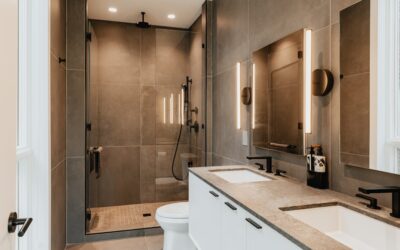
The bathroom returns some of the best value of any remodel, but it also hides the most expensive surprises behind its walls. The smartest renovate bathroom ideas focus your money on the changes guests and buyers actually notice, while keeping the plumbing and structure where they already sit. Move a toilet three feet and you add thousands in labor; refresh the surfaces and lighting instead and the room transforms for a fraction of the cost.
- Start With the Layout You Have
- Refresh Surfaces for Maximum Impact
- Upgrade the Vanity and Storage
- Rethink the Shower and Tub
- Lighting That Flatters
- Flooring Built for Moisture
- Fixtures, Faucets, and Finishing Touches
- Budget, Timeline, and Hiring
- Smart Design Touches That Add Value
- Aging-in-Place Considerations
- Final Takeaway
This guide runs through high-impact upgrades across price points, with real numbers so you can plan a project that fits your wallet and your timeline.
Start With the Layout You Have
Before dreaming about a freestanding tub in a new corner, study your current layout. Relocating the toilet, shower, or sink means moving drain lines and supply lines, which is where bathroom budgets explode. Keeping fixtures in their existing footprint can cut a remodel cost by 30 to 50 percent.
If the layout genuinely does not work, small moves cost less than big ones. Shifting a vanity along the same wall is far cheaper than crossing the room. Map the plumbing first, then design around it rather than fighting it.
Refresh Surfaces for Maximum Impact
New surfaces deliver the biggest visual change per dollar. Re-tiling the shower, replacing the floor, and updating the vanity top instantly modernize a dated bathroom. Large-format porcelain tile, 12 by 24 inches or larger, reads as upscale and means fewer grout lines to clean.
For a tighter budget, consider these surface refreshes:
- Paint the walls in a moisture-resistant satin or semi-gloss finish.
- Refinish a worn tub instead of replacing it, for $400 to $600 versus thousands.
- Replace just the vanity countertop with quartz for a premium feel.
- Regrout and re-caulk to make existing tile look new for under $50 in materials.
Upgrade the Vanity and Storage
The vanity anchors the room and solves the universal complaint of too little storage. A new vanity with deep drawers replaces a cramped pedestal sink with real organization. Floating vanities make small bathrooms feel larger by exposing the floor beneath.
Off-the-shelf vanities in the $300 to $1,200 range cover most needs, while a recessed medicine cabinet adds hidden storage without eating floor space. If your budget is tight, repainting an existing vanity and swapping the hardware and faucet costs under $150 and looks brand new.
Rethink the Shower and Tub
Showers have overtaken tubs as the priority in many homes, especially primary bathrooms. A curbless walk-in shower with a frameless glass panel feels open and luxurious, and it ages in place better than a high-sided tub. Expect $3,000 to $8,000 for a full tiled shower build, depending on size and finishes.
If you have only one bathroom, keep at least one tub for resale, since families with young children look for it. A combined tub-shower with a new surround and sliding glass door modernizes the space at a much lower cost than a full custom build.
Lighting That Flatters
Bad lighting ruins an otherwise beautiful bathroom. Layer your lighting: overhead for general illumination, sconces or vertical fixtures flanking the mirror to eliminate shadows on the face, and a moisture-rated recessed light in the shower. Aim for bulbs around 2700K to 3000K for a warm, flattering tone.
Add a dimmer for evening soaks and a separate exhaust fan rated for your room size, at least 50 CFM for a standard bath, to fight the moisture that causes mold and peeling paint. Good ventilation protects every other upgrade you make.
Flooring Built for Moisture
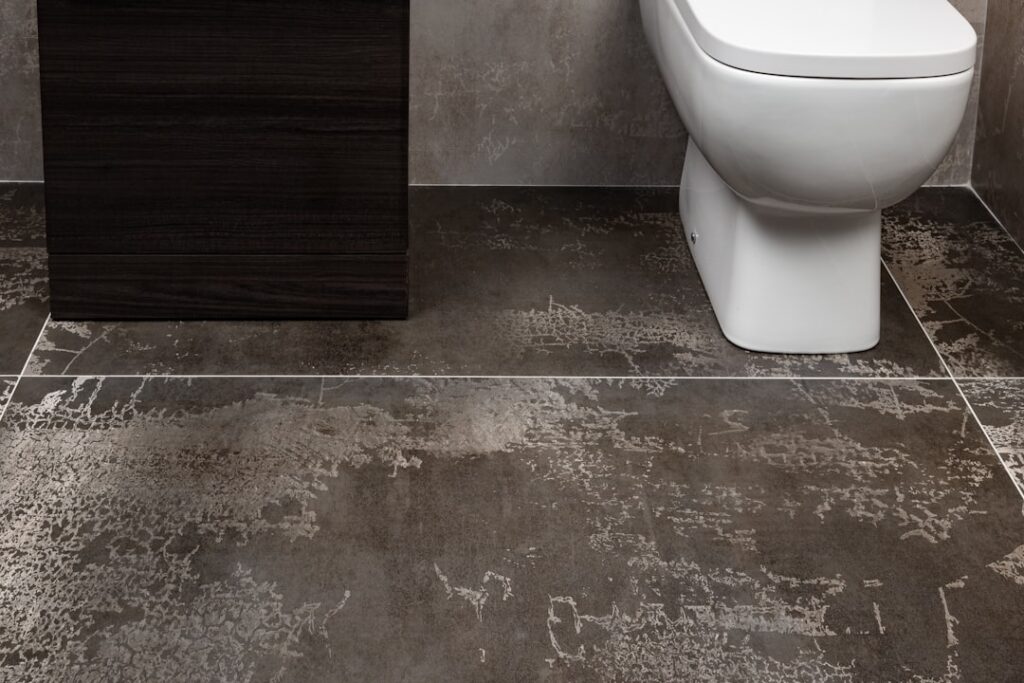
Bathroom floors take constant moisture, so the material has to handle it. Porcelain tile remains the gold standard for durability and water resistance, and luxury vinyl plank has become a popular, warmer, softer alternative that installs faster and costs less. Both shrug off splashes that would ruin laminate or hardwood.
For tile, consider radiant floor heating mats under the surface; for around $8 to $15 per sq ft installed, they take the chill off cold mornings and barely raise the overall project cost when done during a remodel. It is the kind of small luxury people never regret.
Fixtures, Faucets, and Finishing Touches
Swapping dated fixtures pulls a whole room into the current decade. A new faucet, showerhead, towel bars, and a matching mirror create a coordinated look for a few hundred dollars. Matte black and brushed gold finishes feel current, while brushed nickel stays safe and timeless.
Among the most cost-effective renovate bathroom ideas is simply unifying the metal finishes throughout the room. Mismatched chrome, brass, and nickel make a space feel pieced together; a single consistent finish makes it feel designed.
Budget, Timeline, and Hiring
Set realistic expectations. A cosmetic refresh, with paint, fixtures, and hardware, runs $1,500 to $4,000 and a long weekend of DIY. A mid-range remodel with new tile, vanity, and shower lands around $10,000 to $20,000 and two to three weeks with a contractor. A full gut renovation that moves plumbing can exceed $25,000.
Always budget an extra 15 to 20 percent for the hidden problems that bathrooms love to reveal, like rotted subfloor or old galvanized pipe. When hiring, get three itemized bids and confirm the contractor handles permits, especially when electrical or plumbing changes are involved.
Smart Design Touches That Add Value
A handful of thoughtful details elevate a remodel beyond the basics. A niche built into the shower wall gives bottles a home without a dangling caddy and costs little when framed during construction. A frameless glass shower panel reads as more upscale than a sliding door and keeps sightlines open in a small room.
Other high-value touches include a comfort-height toilet, a heated towel rack, and a large-format mirror that bounces light around the space. None of these breaks the bank, yet together they give the finished bathroom a custom, considered feel that buyers and guests notice immediately.
Aging-in-Place Considerations
If you plan to stay in the home long term, building in accessibility now is cheaper than retrofitting later. Blocking in the walls for future grab bars costs almost nothing during a remodel but saves a major project down the road. A curbless shower entry, a handheld showerhead on a slide bar, and a comfort-height toilet all serve every age comfortably.
These features no longer look institutional; modern grab bars double as towel bars, and curbless showers are a sought-after design trend. Planning for the long term protects your investment and keeps the bathroom usable for decades.
Final Takeaway
The best bathroom remodel spends generously where it shows and conservatively where it does not. Keep the plumbing in place, invest in surfaces, lighting, and storage, and unify your finishes. Do that, and even a modest budget produces a bathroom that feels fresh, functional, and worth far more than you spent.