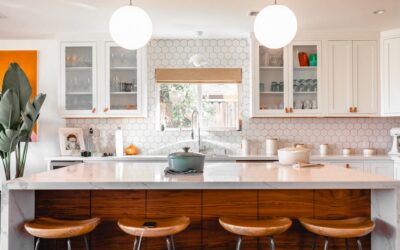
Flat tile is having a quiet rebellion, and texture is winning. Ribbed tile, sometimes called fluted, scored, or 3D tile, has raised vertical or horizontal ridges across its face that catch light and throw shadow, turning a plain wall into a sculptural surface. It is one of the easiest ways to add depth and a tactile, high-end feel without wallpaper or paneling. You see it most on feature walls, shower niches, fireplace surrounds, and backsplashes. Before you order, it helps to understand the styles, where the texture works, and what installation and cleaning really involve.
What Is Ribbed Tile?
Ribbed tile is a dimensional tile with parallel ridges or grooves molded into its surface. Instead of a flat plane, you get a series of rounded or angular bars running across the face. As light moves through a room, those ribs create soft shadow lines that shift through the day, which is the whole appeal. The effect mimics fluted glass, reeded wood paneling, and the channeled plaster you see in modern interiors, but in a durable, water-resistant material.
It comes in ceramic, porcelain, and even natural stone or glass, with porcelain being the most common for its durability and water resistance. Rib profiles range from fine, closely spaced reeds to bold, widely spaced channels, and the look changes dramatically with scale.
Popular Ribbed Tile Styles
The texture reads very differently depending on rib size, finish, and orientation.
- Fine fluted: Closely spaced narrow ribs for a subtle, refined texture that reads almost like fabric from a distance.
- Bold channel: Wide, deep grooves that make a strong architectural statement, great on a fireplace or accent wall.
- Matte vs. glossy: Matte ribs feel organic and modern; a glossy glaze amplifies the play of light and looks more luxe.
- Vertical vs. horizontal: Vertical ribs draw the eye up and make ceilings feel taller; horizontal ribs widen a space.
Neutral tones, soft whites, greiges, sage greens, and warm terracottas dominate the category, since the texture itself provides the interest and a quiet color lets the shadows shine.
Where to Use Ribbed Tile
Texture is a feature, so use it where it gets noticed. The strongest applications include:
- Feature and accent walls: Behind a bed, a vanity, or a living room TV, where one textured wall anchors the room.
- Showers and tub surrounds: Porcelain ribbed tile handles wet areas beautifully and adds spa-like depth.
- Kitchen backsplashes: A fluted backsplash brings dimension behind a range or sink.
- Fireplace surrounds: Bold channels frame a firebox with a modern, tailored look.
One caution: ribbed tile is primarily a wall and vertical-surface product. The raised ridges are not designed to be walked on, so it is generally not a floor tile. Keep it on walls and feature areas where the texture is the point.
Installation Tips
Installing ribbed tile is similar to standard wall tile but with a few texture-specific wrinkles. Rib alignment is everything; because the eye reads the ridges as continuous lines, even slightly misaligned tiles look glaringly off. Take extra care to keep ribs running true from tile to tile, and dry-lay a section first to plan your layout.
A few practical pointers from the field:
- Use a notched trowel and back-butter as needed so the tile sits flat without voids behind the thin rib peaks.
- Keep mortar and grout out of the grooves during install; wipe immediately, because dried grout in the ribs is miserable to remove.
- Plan outside corners and edges carefully, since the texture makes trim transitions more visible. Mitered edges or matching trim pieces look cleanest.
- Cutting through ribs requires a quality wet saw to avoid chipping the ridges.
Cleaning and Maintenance
The grooves that make ribbed tile beautiful also collect a little more dust and soap scum than a flat surface. The fix is easy: a soft brush, like an old toothbrush, runs along the channels to clear buildup, and a regular wipe-down keeps it looking sharp. In a shower, squeegee after use and run the fan to discourage soap film and mildew in the grooves.
Sealed porcelain and glazed ceramic resist staining and need only routine cleaning. Natural stone ribbed tile is more porous and should be sealed and cleaned with stone-safe products to avoid etching. Avoid abrasive scrubbing on glossy ribs, which can dull the finish over time.
Cost and What to Budget
Dimensional tile generally costs more than flat tile of the same material, since the texture requires more complex molds and, sometimes, more material per tile. Expect ribbed porcelain and ceramic to run a premium over a comparable flat tile, with specialty designer and natural-stone ribbed tiles climbing higher still. Installation can also cost a bit more because of the extra care needed to keep ribs aligned and to handle the trickier corners and cuts.
To control the budget, use ribbed tile as an accent rather than covering every wall. One feature wall or a single shower accent delivers most of the visual impact at a fraction of the cost of tiling a whole room in textured tile. Pairing a ribbed accent with a plain field tile in a coordinating color stretches your dollars while keeping the design intentional. Always order 10 to 15 percent extra for cuts, breakage, and future repairs, since matching a discontinued texture later is difficult.
Is Ribbed Tile Right for You?
If you want a surface that does more than just cover a wall, ribbed tile delivers texture, shadow, and a current, designer look without resorting to paint or wallpaper. It rewards careful installation and a little extra cleaning attention in the grooves. Used on a feature wall, a shower, or a backsplash, it adds the kind of depth that makes a room feel considered and custom. Pick a rib scale and finish that suit the space, keep the lines true, and let the light do the rest.
Prefer to explore on your own?
See how new flooring looks in your actual room in seconds — free, no signup.
Try the free Floor Studio →