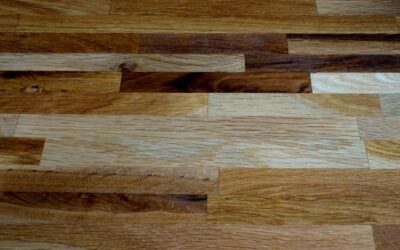
Rigid core flooring is the fastest-growing category in the flooring industry, and for good reason. These engineered vinyl planks and tiles feature a solid, dimensionally stable core that provides superior dent resistance, waterproof performance, and installation versatility compared to traditional flexible vinyl.
- What Is Rigid Core Flooring?
- SPC Flooring (Stone Plastic Composite)
- WPC Flooring (Wood Plastic Composite)
- SPC vs. WPC: Head-to-Head Comparison
- Rigid Core Flooring Construction Layers
- Installation Advantages of Rigid Core Flooring
- Click-Lock System
- Subfloor Tolerance
- Install Over Existing Floors
- No Acclimation Required
- Any Level Installation
- Wear Layer Guide
- Rigid Core Flooring Costs in 2026
- Maintenance and Care
- Rigid Core vs. Other Flooring Types
- Final Thoughts
The two main types of rigid core flooring — SPC (Stone Plastic Composite) and WPC (Wood Plastic Composite) — each offer distinct advantages. Understanding the differences helps you choose the right product for your specific needs and budget.
What Is Rigid Core Flooring?
Rigid core flooring is a subcategory of vinyl flooring that replaces the flexible vinyl core found in traditional luxury vinyl plank with a stiff, dense composite core. This rigid construction gives the flooring greater dimensional stability, better dent resistance, and the ability to be installed over imperfect subfloors with minimal preparation.
All rigid core products share these characteristics:
- 100% waterproof — the core material does not absorb water under any conditions
- Click-lock installation — floats over the subfloor without glue or nails
- Dimensionally stable — resists expansion and contraction from temperature changes
- Realistic appearance — high-definition printing with embossed-in-register textures
- Suitable for any level — can be installed above, on, or below grade (including basements)
SPC Flooring (Stone Plastic Composite)
SPC flooring features a core made from limestone powder (calcium carbonate) and PVC, creating an extremely dense, rigid plank.
SPC Core Composition
- Approximately 60-70% limestone (calcium carbonate)
- 25-30% PVC (polyvinyl chloride)
- 5-10% stabilizers and processing aids
SPC Characteristics
- Core density: Very high (heavier than WPC)
- Thickness: Typically 3.5 to 7 mm
- Dent resistance: Excellent — the dense core resists compression from heavy furniture and high heels
- Temperature stability: Superior — handles temperature fluctuations better than WPC, making it suitable for sunrooms, unheated spaces, and areas with radiant heat
- Underfoot comfort: Firmer and less forgiving than WPC without added underlayment
- Sound: Can sound hollow without underlayment
- Cost: $2.50 to $7.00 per square foot (material)
Best Applications for SPC
- High-traffic commercial and residential areas
- Kitchens and bathrooms
- Basements and below-grade installations
- Sunrooms and enclosed porches (temperature tolerance)
- Rooms with heavy furniture or rolling chairs
- Rental properties (durability and low maintenance)
WPC Flooring (Wood Plastic Composite)
WPC flooring features a core made from wood flour (or wood-polymer composite) and PVC, creating a less dense but thicker plank with built-in cushioning properties.
WPC Core Composition
- Approximately 40-50% wood flour or bamboo powder
- 30-40% PVC
- 10-20% foaming agents and stabilizers
WPC Characteristics
- Core density: Lower than SPC (lighter and softer)
- Thickness: Typically 5.5 to 8 mm
- Dent resistance: Good but less than SPC — the foamed core can compress under extreme point loads
- Temperature stability: Good but not as temperature-tolerant as SPC
- Underfoot comfort: Softer and warmer than SPC — often does not need additional underlayment
- Sound: Naturally quieter than SPC due to the foamed core
- Cost: $3.00 to $8.00 per square foot (material)
Best Applications for WPC
- Bedrooms and living rooms where comfort is prioritized
- Upper floors where sound reduction matters
- Homes with children who play on the floor
- Areas where you stand for long periods (home offices, craft rooms)
- Installations where underlayment is not desired
SPC vs. WPC: Head-to-Head Comparison
- Durability: SPC wins — denser core resists dents and impacts better
- Comfort: WPC wins — softer, warmer, and quieter underfoot
- Temperature tolerance: SPC wins — handles extreme heat and cold better
- Sound absorption: WPC wins — foamed core naturally dampens noise
- Waterproof: Tie — both are 100% waterproof
- Weight: WPC is lighter, making handling and installation easier
- Thickness: WPC is typically thicker, which helps hide subfloor imperfections
- Price: SPC is generally slightly less expensive
- Subfloor tolerance: WPC’s greater thickness makes it more forgiving of minor subfloor imperfections
Rigid Core Flooring Construction Layers
Both SPC and WPC share a similar multi-layer construction:
- UV coating — a clear topcoat that protects against fading and scratching
- Wear layer — a transparent vinyl layer (typically 12 to 22 mil for residential, 20 to 40 mil for commercial) that resists scratches, stains, and abrasion
- Design layer — a high-resolution photographic film that replicates wood grain, stone texture, or tile patterns
- Rigid core — the SPC or WPC core that provides structure and waterproof performance
- Underlayment (optional) — some products include an attached underlayment pad (IXPE or cork) for added comfort and sound reduction
Installation Advantages of Rigid Core Flooring
Click-Lock System
Rigid core planks connect using an angle-tap or drop-lock mechanism that requires no adhesive, nails, or staples. This floating installation is DIY-friendly and allows for quick, clean installation.
Subfloor Tolerance
While all flooring requires a reasonably flat subfloor, rigid core products are more forgiving than flexible vinyl or laminate. Most manufacturers allow up to 3/16 inch variation over 10 feet.
Install Over Existing Floors
Rigid core flooring can often be installed directly over existing hard-surface flooring (tile, vinyl, hardwood) without removal, saving significant time and demolition costs.
No Acclimation Required
Unlike hardwood and laminate, most rigid core products do not require acclimation before installation. You can install the same day you bring the product home.
Any Level Installation
Rigid core is approved for above-grade, on-grade, and below-grade installation. This makes it one of the best options for basements and slab-on-grade homes.
Wear Layer Guide
The wear layer thickness is one of the most important specifications to compare when shopping for rigid core flooring. It directly affects scratch resistance and longevity.
- 6-12 mil: Budget residential — suitable for bedrooms and low-traffic areas
- 12-20 mil: Standard residential — good for living rooms, kitchens, and moderate-traffic areas
- 20-28 mil: Premium residential / light commercial — ideal for high-traffic homes, home offices, and light commercial spaces
- 28-40 mil: Commercial grade — designed for retail, restaurants, and heavy commercial traffic
For most homes, a 20-mil wear layer provides the best balance of durability and value.
Rigid Core Flooring Costs in 2026
- Budget SPC: $2.50 to $4.00 per square foot
- Mid-range SPC: $4.00 to $6.00 per square foot
- Premium SPC: $6.00 to $9.00 per square foot
- Budget WPC: $3.00 to $5.00 per square foot
- Mid-range WPC: $5.00 to $7.00 per square foot
- Premium WPC: $7.00 to $10.00 per square foot
- Professional installation: $1.50 to $4.00 per square foot (labor)
For a typical 500-square-foot living area, expect to pay between $2,000 and $5,000 for mid-range rigid core flooring with professional installation.
Maintenance and Care
- Sweep or vacuum regularly to prevent grit from scratching the wear layer.
- Damp mop as needed with a vinyl-safe cleaner.
- Wipe up spills promptly — while the core is waterproof, standing water at plank edges could potentially migrate underneath.
- Use furniture pads under legs and avoid dragging heavy objects across the surface.
- Avoid rubber-backed rugs — they can discolor vinyl over time. Use vinyl-safe rug pads.
- Keep out of extreme heat — direct sunlight through windows can cause expansion. Use window coverings in sun-drenched rooms.
Rigid Core vs. Other Flooring Types
- Rigid core vs. flexible LVP: Rigid core is more dimensionally stable, more dent-resistant, and easier to install over imperfect subfloors. Flexible LVP is thinner and less expensive.
- Rigid core vs. laminate: Rigid core is waterproof; laminate is not (though water-resistant versions exist). Laminate can offer a more natural feel underfoot.
- Rigid core vs. engineered hardwood: Engineered wood offers real wood beauty and can be refinished. Rigid core offers superior water resistance and easier maintenance.
- Rigid core vs. tile: Tile is harder and more scratch-resistant. Rigid core is warmer, softer underfoot, and dramatically easier to install.
- Rigid core vs. carpet: Carpet is softer and warmer. Rigid core is waterproof, hypoallergenic, and easier to clean.
Final Thoughts
Rigid core flooring has earned its position as the default recommendation for homeowners who want waterproof, durable, attractive flooring without the complexity or cost of hardwood or tile. The choice between SPC and WPC comes down to your priorities: SPC for maximum durability and temperature stability, WPC for superior comfort and sound absorption.
For most homes, a mid-range SPC product with a 20-mil wear layer and attached underlayment offers the ideal combination of performance, comfort, and value. It handles kitchens, bathrooms, basements, and living areas with equal competence — something very few flooring materials can claim.
Prefer to explore on your own?
See how new flooring looks in your actual room in seconds — free, no signup.
Try the free Floor Studio →