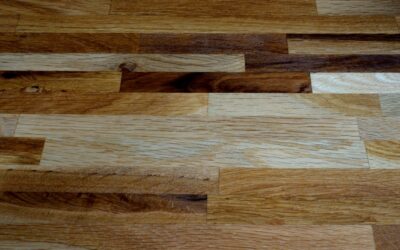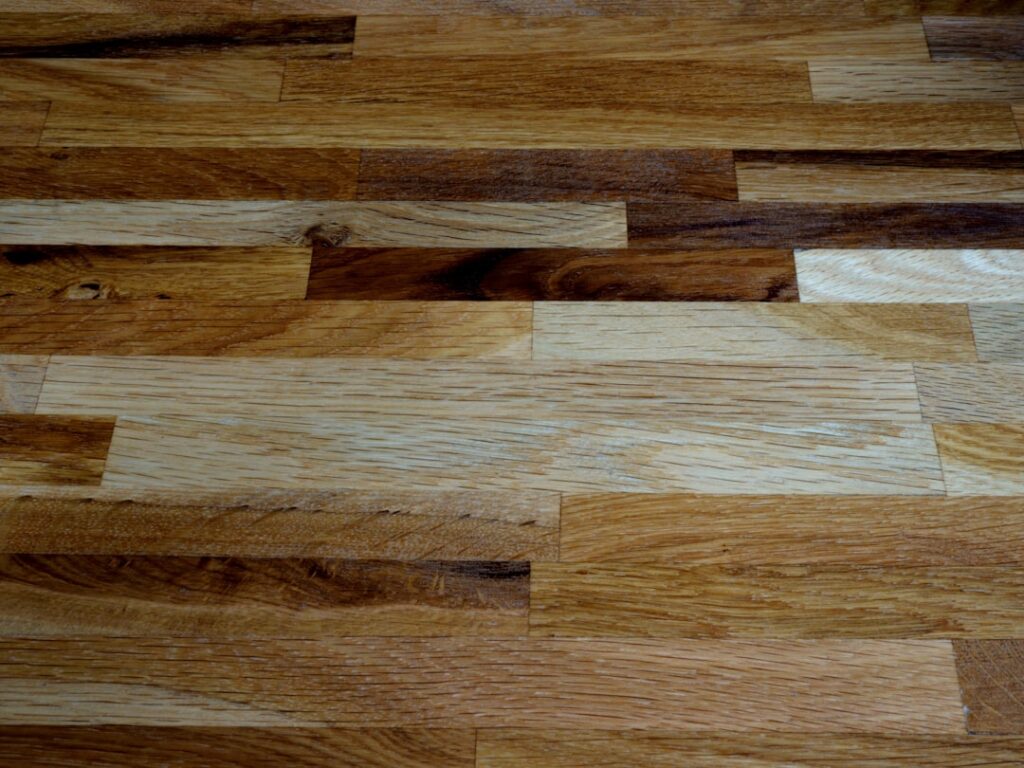
Wood look vinyl flooring has become one of the fastest-growing categories in the flooring industry. Advances in printing and embossing technology now produce vinyl planks and tiles that are nearly indistinguishable from real hardwood, and they cost a fraction of the price.
This guide walks through every format available, the wood species and styles you can replicate, realistic pricing, and how to choose the right product for your home.
What Is Wood Look Vinyl Flooring?
Wood look vinyl flooring is any vinyl product designed to mimic the appearance of natural wood. The category includes luxury vinyl plank, sheet vinyl, and vinyl tile. Each format uses high-resolution photographic layers printed with wood grain patterns, then topped with a clear wear layer for protection.
The best products go beyond visual replication. Embossed-in-register technology aligns the textured surface with the printed grain, so you can feel the knots and grain lines under your fingers. This tactile realism is what separates premium luxury vinyl plank from budget alternatives.
Formats of Wood Look Vinyl
Luxury Vinyl Plank (LVP)
LVP is the most popular format for wood look vinyl. Individual planks typically measure five to nine inches wide and 36 to 72 inches long, closely matching the dimensions of real hardwood planks. Most LVP uses a click-lock installation system that does not require glue or nails.
Rigid core LVP, including SPC flooring, adds a stone polymer composite or wood polymer composite core that gives the plank extra stability and dent resistance. This rigid construction also allows installation over minor subfloor imperfections.
Sheet Vinyl
Sheet vinyl comes in rolls up to twelve feet wide, which means most rooms can be covered with a single seamless piece. Wood look sheet vinyl is softer underfoot than LVP and costs less per square foot. It is an excellent choice for bathrooms, laundry rooms, and rental properties.
The trade-off is that sheet vinyl is harder to install neatly around obstacles and does not have the same dimensional stability as rigid core planks.
Vinyl Tile
Less common for wood looks, vinyl tile is sometimes used to create parquet or herringbone patterns that would be extremely expensive in real wood. The smaller tile format makes intricate geometric layouts more manageable during installation.
Popular Wood Species to Replicate
Vinyl manufacturers replicate virtually every popular hardwood species. Here are the most requested looks and what makes each one appealing.
Oak
Oak is the default choice for wood look vinyl because it matches the most common real hardwood floors in North America. White oak vinyl in a matte or wire-brushed finish is particularly popular right now, fitting into both modern farmhouse and Scandinavian design schemes.
Walnut
Walnut vinyl offers deep chocolate and coffee tones with dramatic grain patterns. It brings warmth and sophistication to living rooms and bedrooms without the high cost of genuine walnut.
Hickory
Hickory vinyl features bold color variation and strong grain character. It works well in rustic, cabin, and transitional interiors where visual interest is more important than uniformity.
Pine and Reclaimed Wood
Distressed pine and reclaimed barn wood looks have become staples of the farmhouse aesthetic. These vinyl products include printed knot holes, saw marks, and color variation that would take decades to develop naturally.
Maple and Birch
Light-toned maple and birch vinyl suits contemporary and minimalist spaces. The subtle grain and consistent coloring create a clean, airy feel.
What to Look for When Shopping
Wear Layer Thickness
The wear layer is the transparent top coating that protects the printed design from scratches and scuffs. Residential products range from six to twenty mils, while commercial-grade products go up to twenty-eight mils.
For busy households with pets and children, aim for a wear layer of at least twelve mils. Lighter-traffic bedrooms and guest rooms can get by with eight to twelve mils.
Core Construction
Rigid core planks (SPC or WPC) outperform flexible vinyl in almost every practical category. They resist denting, handle temperature swings better, and bridge minor subfloor irregularities. The only scenario where flexible vinyl has an edge is on very uneven subfloors where the material needs to conform to dips and humps.
Embossing Quality
Look for embossed-in-register (EIR) texture. Budget products use random embossing that does not align with the printed grain, and the disconnect is noticeable in person. EIR products feel remarkably close to real wood.
Plank Size
Wider and longer planks look more like real hardwood and create fewer seam lines. A seven-inch-wide, 48-inch-long plank is a good minimum for a realistic appearance.
Pattern Repeat
Check how many unique plank designs are in the box. Budget lines may only have four or five patterns, which means you will spot repeats across the floor. Premium lines use ten or more unique prints to minimize visible repetition.
Cost of Wood Look Vinyl Flooring
Prices in 2026 range from about one dollar to seven dollars per square foot for the material alone, depending on the format and quality tier.
Budget LVP with a thin wear layer and flexible core runs one to three dollars per square foot. Mid-range rigid core LVP with EIR texture and a twelve-mil wear layer costs three to five dollars. Premium products from top brands with twenty-mil wear layers and attached underlayment push five to seven dollars.
Professional installation adds one to three dollars per square foot. Click-lock LVP is one of the most DIY-friendly flooring options available, so many homeowners save that cost entirely.
Compared to genuine hardwood flooring, which runs six to fifteen dollars per square foot installed, wood look vinyl delivers significant savings with comparable visual results.
Installation Basics
Subfloor Preparation
The subfloor must be clean, dry, and reasonably flat. Rigid core LVP can handle minor imperfections, but dips or humps greater than three-sixteenths of an inch over ten feet should be leveled with self-leveling compound or sanding.
Acclimation
Most manufacturers recommend leaving the planks in the room for 48 hours before installation so the material adjusts to ambient temperature and humidity. SPC products are less sensitive to climate than WPC, but acclimation is still good practice.
Click-Lock Installation
Planks connect with tongue-and-groove edges that snap together without adhesive. Start along the longest wall, use quarter-inch spacers along all walls for expansion, and stagger end joints by at least six inches between rows. A tapping block and pull bar make the process faster and cleaner.
Underlayment
If the LVP does not have a factory-attached pad, install a thin vinyl-compatible underlayment for sound dampening and minor moisture protection. Do not use thick foam underlayment designed for laminate, as it can cause click-lock joints to flex and separate.
Where Wood Look Vinyl Excels
The biggest advantage of wood look vinyl over real wood is moisture resistance. Vinyl does not swell, warp, or rot when exposed to water, which makes it ideal for kitchens, bathrooms, basements, and laundry rooms where hardwood would be risky.
It also holds up well in entryways and mudrooms, where tracked-in grit and moisture would quickly damage a real wood surface. Families with dogs appreciate that vinyl resists scratching better than most hardwood species and is easy to clean after muddy paw prints.
For rooms where you want the wood aesthetic paired with waterproof flooring performance, wood look vinyl is the clear winner.
Limitations to Keep in Mind
Wood look vinyl is not without drawbacks. It does not add the same resale value as genuine hardwood in higher-end housing markets. Some buyers in luxury price brackets expect the real thing.
Vinyl can be damaged by prolonged exposure to direct sunlight, which may cause fading or minor expansion. UV-blocking window treatments help in rooms with large south-facing windows.
Heavy furniture and appliances can leave permanent dents in flexible vinyl. Rigid core products resist this better, but furniture pads are still recommended.
Finally, vinyl is a petroleum-based product. Homeowners prioritizing natural or sustainable materials may prefer engineered wood flooring or bamboo instead.
Caring for Wood Look Vinyl Floors
Maintenance is minimal. Sweep or vacuum regularly with a hard-floor attachment. Damp mop with a vinyl-safe cleaner as needed. Avoid steam mops, abrasive pads, and harsh chemicals like bleach or ammonia.
Place felt pads under furniture legs, use doormats at entryways, and trim pet nails regularly. With basic care, a quality wood look vinyl floor will maintain its appearance for fifteen to twenty-five years.
Final Thoughts
Wood look vinyl flooring has matured to the point where even flooring professionals have to look twice to tell it apart from real hardwood. It offers the warmth and beauty of wood with far better moisture resistance, lower cost, and easier installation.
Focus your budget on a rigid core product with embossed-in-register texture and a wear layer of at least twelve mils. That combination delivers the most realistic look and the longest service life, giving you a floor that performs as well as it looks for years to come.
Prefer to explore on your own?
See how new flooring looks in your actual room in seconds — free, no signup.
Try the free Floor Studio →