Wood vinyl flooring gives you the warm, natural appearance of hardwood with the waterproof performance and affordability of vinyl. Modern manufacturing technology has pushed wood-look vinyl to a level of realism that surprises even flooring professionals. From wide-plank oak to rustic hickory, the selection of wood vinyl flooring available in 2026 covers virtually every hardwood species and finish style imaginable.
- What Is Wood Vinyl Flooring?
- Types of Wood Vinyl Flooring
- Popular Wood-Look Styles
- How Realistic Is Wood Vinyl Flooring?
- Wood Vinyl Flooring Costs
- Best Brands for Wood-Look Vinyl
- Choosing the Most Realistic Wood Vinyl
- Where to Install Wood Vinyl Flooring
- Wood Vinyl vs Real Hardwood
- Maintaining Wood Vinyl Flooring
What Is Wood Vinyl Flooring?
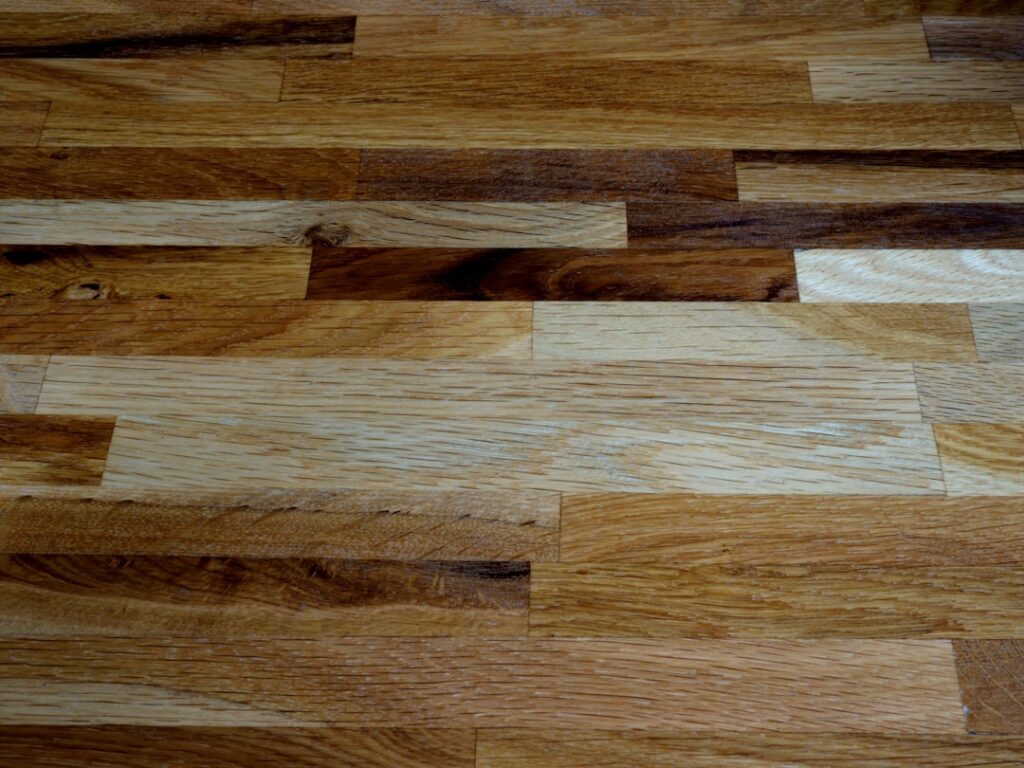
Wood vinyl flooring is any vinyl product designed to look like real wood. The most common format is luxury vinyl plank (LVP), which comes in plank shapes that mimic hardwood boards. The wood appearance is created through high-resolution digital printing and surface embossing that replicates wood grain texture.
The best wood vinyl flooring features registered embossing, also called embossed in register (EIR), where the physical surface texture aligns perfectly with the printed grain pattern. When you look at a knot in the wood image, you can feel a slight depression in the surface at that exact spot. This alignment between visual and tactile elements is what makes premium wood vinyl flooring so convincing.
Types of Wood Vinyl Flooring
Luxury Vinyl Plank (LVP)
The most popular and realistic format. Planks range from 5 to 9 inches wide and 36 to 72 inches long, matching the proportions of real hardwood boards. Available with flexible vinyl, WPC, or SPC cores. Click-lock installation makes LVP the preferred DIY choice.
Wood-Look Sheet Vinyl
Sheet vinyl with wood plank patterns offers seamless coverage and the lowest cost. While less realistic than LVP, modern sheet vinyl wood patterns have improved significantly. Sheet vinyl works well in bathrooms and laundry rooms where seamless waterproof coverage matters most.
Wood-Look Peel-and-Stick Vinyl
Self-adhesive vinyl planks offer the simplest installation at the lowest price point. Realism is limited compared to LVP, and the adhesive can weaken over time, especially in humid or warm conditions. Best for temporary upgrades and rental properties.
Popular Wood-Look Styles
White Oak
White oak is the most sought-after wood look in vinyl flooring. Its subtle grain pattern, neutral coloring, and versatility make it work in virtually any interior style. Available in natural, light gray, warm honey, and dark stain tones. White oak wood vinyl dominates the market in 2026.
Hickory
Hickory wood vinyl features bold grain variation, dramatic color differences between planks, and a rustic character that suits farmhouse, lodge, and traditional interiors. The heavy grain variation in hickory patterns actually helps hide seams and installation imperfections.
Walnut
Rich chocolate-brown tones with flowing grain patterns create a warm, luxurious atmosphere. Walnut wood vinyl works beautifully in dining rooms, offices, and bedrooms where a sophisticated wood look is desired.
Reclaimed and Distressed
Weathered, aged, and reclaimed barn wood patterns continue to be popular. These styles feature intentional color variation, saw marks, knot holes, and worn edges that create character-rich floors. The distressed appearance is forgiving of minor scratches and wear that would be conspicuous on smooth, clean wood looks.
Pine
Lighter, knotty pine patterns bring a casual, cottage-style warmth. Wide-plank pine looks are popular for coastal, Scandinavian, and relaxed modern interiors.
Gray and Whitewashed
Cool-toned gray and whitewashed wood vinyl creates an airy, modern atmosphere. These lighter tones open up spaces visually and have become a major trend in open-concept homes.
Dark and Espresso
Deep brown and espresso-stained wood vinyl adds drama and richness. While showing more dust and pet hair than lighter colors, dark wood vinyl creates a striking contrast with light walls and furnishings.
How Realistic Is Wood Vinyl Flooring?
The realism of wood vinyl flooring varies dramatically by price point and quality level.
Budget Products ($1.50 to $3.00 per sq ft)
Basic printing with limited pattern variation. You may notice repeating plank patterns within a single box. Surface texture is minimal. These products look like vinyl from close range but pass as wood from a distance.
Mid-Range Products ($3.00 to $5.50 per sq ft)
Better printing with more unique plank designs per collection. Embossed textures add tactile realism. Registered embossing may be partially aligned. These products fool most visitors at casual viewing distances.
Premium Products ($5.50 to $9.00+ per sq ft)
High-definition printing with many unique plank patterns. Fully registered embossing aligns texture with every printed detail. Plank edges may feature painted bevels that mimic real hardwood joints. Premium wood vinyl is genuinely difficult to distinguish from real wood without getting on your hands and knees for a close inspection.
Wood Vinyl Flooring Costs
By Quality Level
- Entry level: $1.50 to $3.00 per square foot
- Mid-range: $3.00 to $5.50 per square foot
- Premium: $5.50 to $9.00+ per square foot
Installation
- DIY (click-lock): $0 labor plus underlayment and supplies
- Professional: $1.50 to $4.00 per square foot
Comparison to Real Hardwood
Solid hardwood costs $5.00 to $15.00+ per square foot for materials with $3.00 to $8.00 per square foot for professional installation. Engineered hardwood runs $4.00 to $12.00 per square foot for materials. Wood vinyl delivers a comparable look at roughly 30% to 60% of the cost of real wood.
Best Brands for Wood-Look Vinyl
COREtec
Consistently rated among the most realistic wood vinyl products on the market. COREtec’s patented core technology and detailed surface textures set the standard for premium wood-look vinyl.
Shaw Floorte
Shaw offers one of the broadest selections of wood-look vinyl, from entry level to premium. Their Floorte Pro line features enhanced scratch resistance and deep embossing for commercial-grade realism.
Mannington Adura Max
Mannington’s wood-look collections feature some of the most sophisticated registered embossing in the industry. The American-made products offer exceptional detail and color accuracy.
MSI Everlife
Strong value across their wood-look collections with competitive pricing and wide distribution. MSI has rapidly expanded its vinyl lineup with quality products that compete with more established brands.
LifeProof
Exclusively at Home Depot, LifeProof delivers solid wood-look vinyl at accessible price points. Easy to shop and sample, with reliable SPC construction.
Choosing the Most Realistic Wood Vinyl
Follow these tips when shopping for the most convincing wood-look vinyl flooring.
Check for Registered Embossing
This is the single biggest factor in realism. Run your hand across the plank and look at whether the texture lines up with the printed pattern. If it does, the product will look significantly more authentic.
Count Unique Plank Patterns
More unique patterns mean less visible repetition on your floor. Budget products may have only 4 to 6 unique designs, while premium products offer 20 or more. Check the product specifications or ask the retailer.
Look at the Bevels
The edges of each plank can be square (no bevel), micro-beveled, or painted-bevel. Painted bevels create shadows between planks that mimic the look of individual hardwood boards. Products with painted bevels look more realistic than those with square edges.
Examine in Your Lighting
Always view samples in the room where they will be installed, under your actual lighting conditions. Showroom lighting can make products look different than they will in your home.
Feel the Surface
Quality wood vinyl should not feel plastic or slick. Premium products have a matte or satin sheen with a textured surface that closely mimics the feel of finished hardwood.
Where to Install Wood Vinyl Flooring
One of the greatest advantages of wood vinyl is that it goes everywhere hardwood cannot.
- Kitchens: Waterproof wood-look vinyl handles spills and splashes while providing the warm wood aesthetic.
- Bathrooms: Enjoy the warmth of a wood look in bathrooms where real hardwood would be destroyed.
- Basements: Install over concrete in below-grade spaces where hardwood is not an option.
- Living areas: Create a cohesive wood-floor look throughout the entire home at a fraction of hardwood cost.
- Laundry rooms and mudrooms: Practical and attractive in these moisture-prone utility spaces.
Wood Vinyl vs Real Hardwood
Choose Wood Vinyl When:
- Budget is a primary consideration
- Rooms face moisture exposure (kitchens, bathrooms, basements)
- You want whole-home continuity including wet areas
- Low maintenance is important
- You have active pets that scratch hardwood
Choose Real Hardwood When:
- Maximizing home resale value is the priority
- The authentic look and feel of real wood matters to you
- You want the ability to sand and refinish over decades
- The installation area stays dry
- Budget allows for the premium investment
Maintaining Wood Vinyl Flooring
- Sweep or vacuum regularly to prevent grit from dulling the surface.
- Damp mop with a pH-neutral vinyl cleaner.
- Use furniture pads under all heavy items.
- Trim pet nails to minimize surface scratching.
- Avoid rubber-backed mats that can discolor vinyl.
- Never use wax, polish, steam mops, or abrasive cleaners.
Wood vinyl flooring has reached a level of quality where choosing between it and real hardwood is a genuine decision, not a compromise. For homeowners who want the beauty of wood throughout their entire home, including rooms where hardwood simply cannot go, wood vinyl flooring delivers impressively in 2026.
Prefer to explore on your own?
See how new flooring looks in your actual room in seconds — free, no signup.
Try the free Floor Studio →