Vinyl hardwood flooring gives you the warm, natural beauty of real wood with the waterproof durability and low maintenance of vinyl. Thanks to advances in printing and texturing technology, today’s wood-look vinyl planks are so realistic that even flooring professionals sometimes need a second look to tell them apart from genuine hardwood. If you want the look of wood but need the performance of vinyl, this guide covers everything you need to know.
- What Is Vinyl Hardwood Flooring?
- How Realistic Is Wood-Look Vinyl?
- Popular Wood-Look Vinyl Styles
- Vinyl Hardwood vs. Real Hardwood
- Choosing the Most Realistic Vinyl Hardwood
- EIR (Embossed-in-Register) Texture
- Matte or Low-Sheen Finish
- Wide Planks
- Multiple Unique Designs Per Box
- Painted Beveled Edges
- Top Vinyl Hardwood Brands
- Vinyl Hardwood Flooring Costs
- Maintenance Tips
- Is Vinyl Hardwood Flooring Right for You?
What Is Vinyl Hardwood Flooring?
Vinyl hardwood flooring refers to vinyl plank products specifically designed to replicate the appearance of real hardwood floors. These planks feature high-resolution photographic images of real wood species — oak, walnut, hickory, maple, and many more — printed onto the vinyl surface and protected by a clear wear layer.
The best vinyl hardwood products go beyond just visual replication. They include embossed-in-register (EIR) textures that align the surface texture with the printed grain, realistic knot and character mark detailing, varied plank lengths and widths that mimic natural wood flooring, and painted beveled edges that simulate the look of individual wood planks.
How Realistic Is Wood-Look Vinyl?
The realism of vinyl hardwood flooring varies dramatically by price point and brand. Budget products ($1 to $2 per square foot) often have repetitive patterns, misaligned textures, and an obviously synthetic sheen. Premium products ($4 to $7+ per square foot) feature 8 to 20 unique plank designs per box, synchronized EIR textures, matte finishes that match real hardwax oil, and micro-beveled edges with realistic wood-toned detailing.
At the premium level, wood-look vinyl passes the casual observation test — most visitors will assume it is real hardwood unless they get on their hands and knees and inspect it closely. The look has improved so much that many interior designers now confidently specify vinyl hardwood for high-end residential and hospitality projects.
Popular Wood-Look Vinyl Styles
White Oak Look
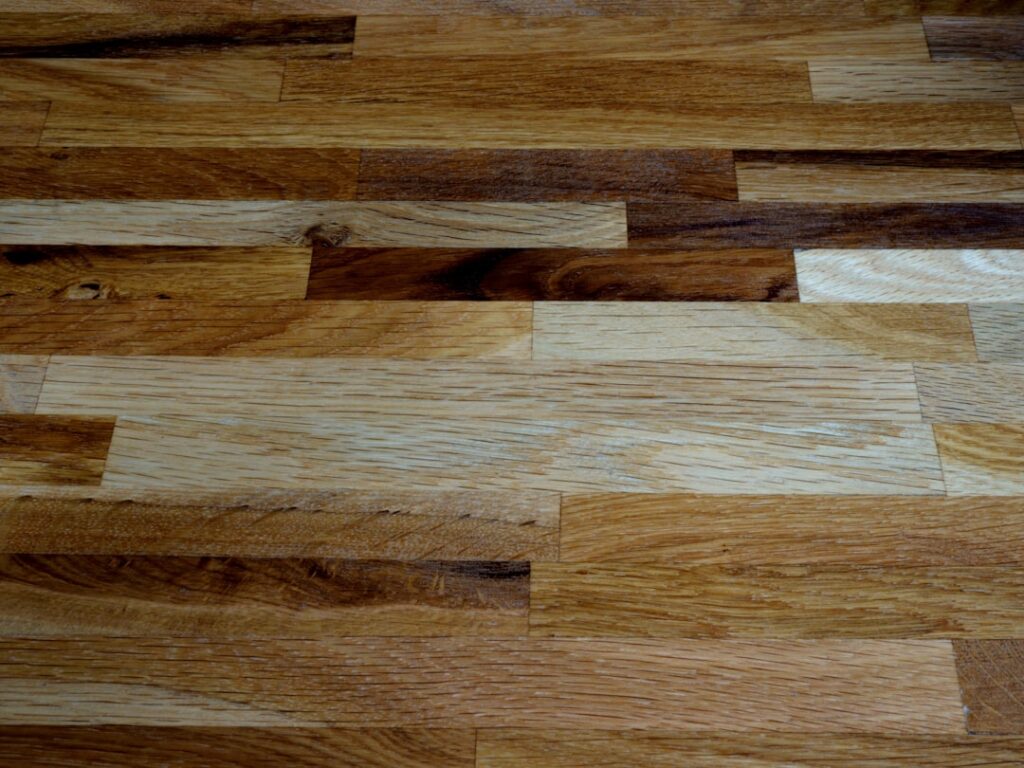
White oak is the most popular hardwood species in America, and white oak-look vinyl is the most requested vinyl hardwood style. Products range from light, natural white oak tones to grey-washed and dark walnut-stained versions. The tight, linear grain of white oak translates particularly well to vinyl printing technology.
Hickory Look
Hickory-look vinyl captures the dramatic grain variation and character of real hickory — wide color variation between planks, prominent knots, and bold grain lines. This style works well in rustic, farmhouse, and transitional interiors.
Walnut Look
Dark walnut-look vinyl provides a rich, warm aesthetic. The deep chocolate tones and flowing grain patterns of walnut are well-suited to the vinyl format, creating an elegant floor without the maintenance challenges of real dark hardwood.
Reclaimed Wood Look
Reclaimed and weathered wood-look vinyl captures the character of aged barn wood, recycled timber, and vintage floorboards. These products feature distressed textures, nail hole details, color variation, and rustic imperfections that would cost a premium in real reclaimed wood.
European Oak Look
European oak-look vinyl features extra-wide planks (8 to 9 inches), long lengths, and the subtle, refined grain pattern associated with European engineered hardwood. This is the most popular style for modern and Scandinavian-inspired interiors.
Vinyl Hardwood vs. Real Hardwood
Where Vinyl Hardwood Wins
- Water resistance: Vinyl is 100% waterproof. Hardwood is not — water exposure causes warping, cupping, and permanent damage.
- Price: Vinyl hardwood costs 50 to 75% less than comparable real hardwood flooring.
- Installation: DIY-friendly click-lock installation versus the nails, staples, and professional skills required for hardwood.
- Maintenance: Vinyl requires basic sweeping and mopping. Hardwood needs periodic refinishing, careful moisture management, and special cleaners.
- Scratch resistance: Premium vinyl wear layers resist scratches better than most hardwood finishes, making vinyl a better choice for homes with large dogs.
- Versatility: Vinyl works in every room, including bathrooms and basements where hardwood cannot go.
Where Real Hardwood Wins
- Authenticity: Nothing fully replicates the warmth, depth, and living character of real wood. The way light plays on genuine wood grain, the subtle variations in texture, and the way hardwood ages gracefully over time are qualities vinyl cannot match.
- Resale value: Real hardwood consistently adds more home value than vinyl, though the gap is narrowing as LVP gains acceptance.
- Refinishing: Solid hardwood can be sanded and refinished 5 to 7 times, lasting 50 to 100 years. Vinyl cannot be refinished and has a typical lifespan of 15 to 25 years.
- Sound: Hardwood produces a natural, warm sound when walked on. Vinyl, despite improvements, can still sound slightly plastic or hollow, particularly without quality underlayment.
- Environmental impact: Responsibly sourced hardwood is a natural, renewable material. Vinyl is a petroleum-based product with environmental concerns around manufacturing and end-of-life disposal.
Choosing the Most Realistic Vinyl Hardwood
To get vinyl that truly looks like hardwood, prioritize these features.
EIR (Embossed-in-Register) Texture
This is the single most important feature for realism. EIR aligns the physical surface texture with the printed grain pattern, so what you see and what you feel are consistent. Without EIR, the visual grain and the texture are misaligned, immediately revealing the floor as synthetic to anyone who looks closely.
Matte or Low-Sheen Finish
Real hardwood floors, especially those finished with hardwax oil, have a low, natural sheen. High-gloss vinyl screams synthetic. Choose products with matte or satin finishes for the most convincing wood appearance.
Wide Planks
Wider planks (7 to 9 inches) show more of the wood-grain print, creating a more natural appearance. Narrow planks can look repetitive because the pattern repeats more frequently.
Multiple Unique Designs Per Box
Budget vinyl may include only 3 to 5 unique plank designs per box, meaning you will see the same pattern repeat frequently across the floor. Premium products include 10 to 20 unique designs, reducing visible repetition and creating a more natural look.
Painted Beveled Edges
The best vinyl hardwood features micro-beveled edges with a painted detail that matches the wood tone, simulating the subtle shadow line between real hardwood planks. This small detail significantly enhances realism.
Top Vinyl Hardwood Brands
- COREtec: Pioneer of waterproof LVP with excellent wood-look realism, especially in the COREtec Pro Plus and Advanced+ collections.
- Shaw Floorte: Wide range from affordable to premium, with the Floorte Pro Paragon series offering exceptional hardwood replication.
- Mohawk SolidTech: Known for realistic visuals and comprehensive pet warranties.
- Mannington Adura Max: Highly realistic EIR textures and a wide variety of wood-look styles.
- MSI Everlife: Premium SPC planks with excellent realism at competitive pricing.
Vinyl Hardwood Flooring Costs
- Budget wood-look vinyl: $1.00 to $2.50 per square foot
- Mid-range wood-look vinyl: $2.50 to $4.50 per square foot
- Premium wood-look vinyl: $4.50 to $7.00+ per square foot
- Professional installation: $1.50 to $4.00 per square foot
Compare this to real hardwood at $5 to $15+ per square foot for materials plus $3 to $8 per square foot for installation, and the cost advantage of vinyl becomes clear.
Maintenance Tips
- Sweep or vacuum with soft bristles regularly.
- Damp mop with a pH-neutral vinyl cleaner.
- Avoid steam mops — heat can damage the core and adhesive.
- Use felt pads under furniture and avoid dragging heavy items.
- Place mats at entries to catch grit that can micro-scratch the surface.
Is Vinyl Hardwood Flooring Right for You?
Vinyl hardwood flooring is the right choice if you love the look of wood but need waterproof performance, want an affordable alternative to real hardwood, have pets or children that would damage real wood, plan to install in moisture-prone areas, or prefer easy DIY installation. For homeowners who prioritize authenticity, long-term value, and the ability to refinish, real hardwood or engineered wood remains the better investment. But for the majority of homeowners who want beautiful, practical, and affordable floors, vinyl hardwood delivers an outstanding combination of looks and performance.
Prefer to explore on your own?
See how new flooring looks in your actual room in seconds — free, no signup.
Try the free Floor Studio →