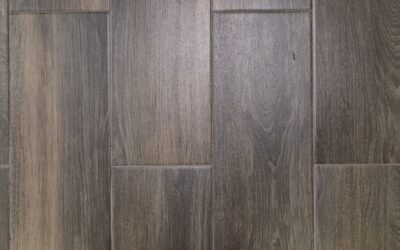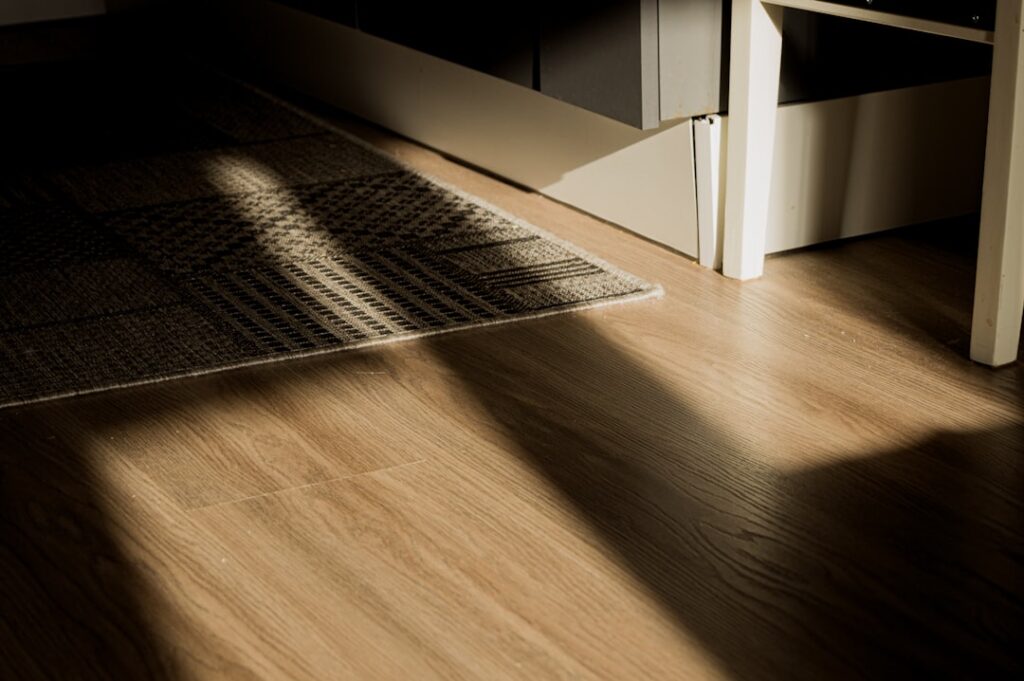
Vinyl plank has come a long way from the flimsy peel-and-stick tiles of decades past. Today the best quality vinyl plank flooring delivers convincing wood looks, genuine waterproofing, and durability that stands up to kids, pets, and heavy foot traffic. The challenge is telling premium products from the bargain planks that dent, fade, and peel within a couple of years. The difference comes down to a handful of specifications you can actually check before you buy. This guide walks you through what defines quality, which brands consistently deliver it, and roughly what you should expect to pay for a floor that lasts.
What Separates Premium Vinyl Plank From Cheap
Not all vinyl plank is created equal, and the price gap reflects real engineering differences. Four specifications tell you most of what you need to know: the wear layer thickness, the core type, the overall plank thickness, and the finish. A floor can look identical in a showroom photo yet perform completely differently once it is underfoot for a few years.
The best products combine a thick wear layer, a rigid stable core, and a textured surface that resists scratching. Cheaper planks cut corners on all three, which is why they show wear paths, telegraph subfloor imperfections, and separate at the seams. Learning to read the spec sheet protects you from paying premium prices for mid-grade goods.
Understanding the Wear Layer
The wear layer is the clear protective coating on top of the plank, measured in mils (thousandths of an inch), not to be confused with millimeters. It is the single most important durability spec. Here is a practical guide:
- 6 mil: Light residential use only, such as a guest bedroom. Budget tier.
- 12 mil: Solid for most homes with normal traffic and pets.
- 20 mil: Premium residential and light commercial. The sweet spot for busy households.
- 28 to 40 mil: Commercial-grade toughness for the most demanding spaces.
For the best quality vinyl plank flooring in a family home, aim for at least a 20-mil wear layer. That thickness resists the scratches and scuffs that dull thinner floors within a few years and often comes with a longer residential warranty.
Core Types: SPC vs WPC
Rigid-core vinyl comes in two main constructions, and the choice affects feel, durability, and where you can install it. SPC (stone plastic composite) uses a dense core of limestone powder and PVC, making it extremely hard, dimensionally stable, and dent-resistant. It stays flat over minor subfloor flaws and handles temperature swings, which is why it is preferred for sunrooms and over concrete.
WPC (wood plastic composite) uses a foamed core that feels softer and warmer underfoot, with a bit more give and sound absorption. It is comfortable but slightly more prone to denting under heavy furniture. Both are waterproof. For most buyers who want maximum durability, SPC is the stronger pick; choose WPC if underfoot comfort and quiet are your priorities.
Top Brands Worth Considering
Several manufacturers consistently earn strong marks for quality and value. While specific product lines change, these names are reliable starting points:
- COREtec: The pioneer of WPC, known for attached cork underlayment and realistic visuals.
- Shaw Floorte and Pergo Extreme: Widely available, strong warranties, dependable performance.
- Mohawk SolidTech: Durable SPC lines with good scratch resistance.
- Karndean: Premium luxury vinyl with exceptional realism, often glue-down.
- Lifeproof and SmartCore: Value-focused big-box lines that deliver 20-mil options at accessible prices.
Rather than chasing a single brand, match the wear layer and core to your needs, then compare warranties and how well the visuals suit your space.
What Quality Vinyl Plank Costs
Price tracks closely with the specs above. Entry-level planks with a 6- to 12-mil wear layer run $1.50 to $3 per square foot. Mid-range SPC and WPC with a 12- to 20-mil layer land around $3 to $5. Premium 20-mil-plus floors from top brands, or glue-down luxury vinyl from makers like Karndean, reach $5 to $8 or more.
Installation adds $1.50 to $4 per square foot if you hire out, though click-together rigid core is a realistic DIY project. For a 400-square-foot room using a quality 20-mil SPC at $4.50 per square foot with professional installation, budget roughly $2,600 to $3,000 including underlayment and trim. Buy 7 to 10 percent extra for cuts and future repairs.
Installation and Underlayment Notes
Most rigid-core vinyl plank uses a click-lock floating system, so it installs without glue over a variety of subfloors. Many premium planks come with attached underlayment (cork or foam), which cushions the floor and dampens sound; if yours does not, add a compatible pad, but never double up on padding, since too much cushion can flex the joints and cause them to fail.
Let the planks acclimate in the room for 48 hours, keep the space between 60 and 85 degrees Fahrenheit, and leave a 1/4- to 3/8-inch expansion gap at the walls. Over concrete, confirm the slab is dry and flat to within 3/16 inch over 10 feet. A little prep prevents the peaking and gapping that plague rushed installs.
Matching the Floor to the Room
Consider how each space is used. In kitchens, entryways, and bathrooms, waterproofing and a 20-mil-plus wear layer earn their keep. In bedrooms and low-traffic areas, a 12-mil floor is often plenty and saves money. Homes with large dogs or rolling office chairs benefit from the hardness of SPC, while an upstairs bedroom might favor WPC for its quieter, softer feel.
Also weigh the visual: wider, longer planks with registered embossing (texture that follows the grain pattern) and beveled edges read as far more authentic than glossy, repetitive budget planks. Order a few samples and view them in your own lighting before committing.
Caring for Vinyl Plank
One of the appeals of quality vinyl plank is how little upkeep it demands. Sweep or dry-vacuum regularly to remove grit that can dull the wear layer over time, and damp-mop with a pH-neutral vinyl floor cleaner when needed. Skip abrasive scrubbers, wax, and steam mops, none of which the surface requires and some of which void warranties.
Protect the floor by adding felt pads under furniture legs and wide caster cups under rolling chairs, since concentrated point loads are the main cause of dents even on hard SPC. Use a walk-off mat at exterior doors to catch abrasive dirt, and avoid dragging heavy appliances across the surface. Treated this way, a premium plank floor keeps its finish for a decade or more.
Common Buying Mistakes
Shoppers routinely trip on a few points. The biggest is confusing overall plank thickness with wear-layer thickness; a chunky 8mm plank with only a 6-mil wear layer will still scratch quickly, because the wear layer, not the core, resists surface damage. Another is assuming every waterproof claim is equal, when in truth the plank may be waterproof while the seams still let water reach the subfloor.
Buyers also under-order, leaving no spares for future repairs when a plank chips, or skip acclimation to save a day and then watch the floor gap. Read the spec sheet, order extra, and follow the install instructions precisely to sidestep all three.
Making Your Final Choice
The best quality vinyl plank flooring for you balances durability, comfort, looks, and budget. Start with the wear layer, insist on at least 20 mil for a busy household, then pick SPC for maximum toughness or WPC for comfort underfoot. Compare warranties, confirm the waterproof rating, and buy from a brand with a track record. Get those fundamentals right and you will end up with a floor that shrugs off spills, scratches, and years of daily traffic while still looking great.
Prefer to explore on your own?
See how new flooring looks in your actual room in seconds — free, no signup.
Try the free Floor Studio →