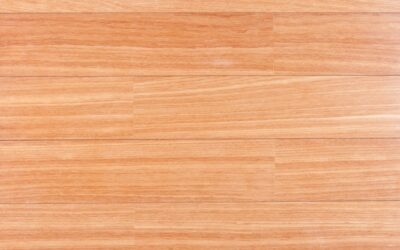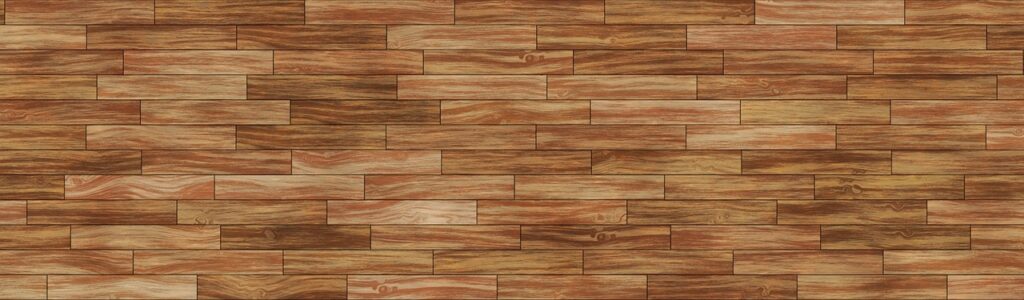
The seam-perfect grain of an oak plank meets the indestructible nature of porcelain. A modern tile hardwood floor — wood-look porcelain made by Daltile, MSI, Marazzi, and Florida Tile — has gotten so convincing that even flooring contractors do double-takes on close inspection. The technology nailed it around 2015, and today these tiles outperform real hardwood in kitchens, baths, and any space where moisture, pets, or kids would shred the real thing. Here is what they get right and where the trade-offs hide.
Part of our Tile & Grout guide — explore the full guide →
What Wood-Look Porcelain Actually Is
Wood-look porcelain is full-body porcelain tile printed with high-resolution images of real wood species and embossed with a textured surface that mimics grain and saw marks. The best lines use 8-12 different face patterns, so the floor does not show repeating identical planks. Plank sizes typically run 6 by 36, 8 by 48, or 9 by 60 inches — close to actual hardwood plank dimensions.
The PEI rating tells you durability: PEI 4 or 5 belongs on residential floors. Stay above 0.5 percent water absorption (vitreous to impervious) for any wet-area install.
Wood-Look Porcelain Versus Real Hardwood
- Water resistance — Porcelain is essentially waterproof. Real hardwood swells and cups with sustained moisture.
- Scratch resistance — Porcelain (PEI 4-5) handles dog claws, dropped pans, and dragged furniture without flinching. Hardwood marks easily.
- Underfoot feel — Hardwood gives slightly and feels warmer. Porcelain is rock-hard and cold without radiant heat.
- Resale value — Real hardwood still wins in most markets, especially in upper price tiers.
- Repair — Hardwood sands and refinishes. Porcelain damage requires replacing the affected tile.
- Cost installed — Wood-look porcelain $7-$14 per sq ft. Engineered hardwood $9-$16. Solid hardwood $10-$20.
Top Wood-Look Porcelain Lines
The leaders in this segment have been refining their patterns for a decade. Daltile Emerson Wood and Forest Park collections deliver realistic oak, maple, and walnut looks at $3-$5 per sq ft material. MSI Antique Mahogany, Carolina Timber, and the Brookline series run $2.50-$4.50 per sq ft. Marazzi Knoxwood and American Estates offer rustic and traditional patterns at $4-$6 per sq ft.
Higher-end European brands like Florim, Casa Dolce Casa, and Refin push past $7-$10 per sq ft material but deliver patterns that fool flooring inspectors. Worth the upcharge in formal living spaces.
Where Wood-Look Tile Excels
Kitchens, mudrooms, basements, bathrooms, and laundry rooms are the home runs. Spaces with radiant heat get extra value because porcelain conducts heat far better than wood — running floor temperatures of 75-80°F costs less and feels more even. Whole-home installs that flow from kitchen through living rooms also work well, especially in pet-heavy households or homes with kids.
Outdoor covered patios are another sweet spot. Porcelain rated for exterior use shrugs off freeze-thaw cycles that destroy hardwood and most laminates within a season.
Where It Falls Short
Bedrooms and home offices often feel cold and clinical with porcelain — even with rugs and area mats, the rock-hard surface lacks the warmth real wood provides underfoot. The acoustics also change: porcelain reflects sound, so rooms feel echoier compared to engineered hardwood.
Resale negotiations sometimes go sideways too. Buyers in luxury markets often discount tile floors in primary living spaces, even premium wood-look porcelain. In starter and mid-range homes, the perception gap has closed.
Installation Considerations
Wood-look porcelain is set with thinset just like any other porcelain tile, but the long plank format demands extra care. Lippage (uneven tile edges at the seam) becomes obvious on long planks, especially when light rakes across the floor. Use a tile leveling system like Raimondi RLS or Spin Doctor on every joint — non-negotiable on planks 36 inches and longer.
Stagger the seams 33 percent rather than the 50 percent traditional brick pattern. Long planks bow slightly in the middle (manufacturers call it “warpage”) and a 50 percent stagger lines up bows visibly. A 33 percent or random stagger hides the bow.
Grout Choices
Match grout color to the dominant tone of the tile. Tight 1/8-inch grout joints create a near-seamless wood appearance. Use a urethane grout like Mapei Flexcolor or an epoxy like Spectralock for stain resistance and color consistency over time.
Skip extra-wide grout joints — they break the wood illusion. Skip white or contrasting grout for the same reason. The goal is to make the eye see continuous wood grain, not a tiled grid.
Underlayment and Subfloor Prep
Concrete slabs need to be level within 1/8 inch over 10 feet — long porcelain planks magnify any subfloor wave. On wood subfloors, install a crack-isolation membrane like Schluter Ditra or a cement backer board (HardieBacker, Durock) to prevent thermal cracking.
Radiant heat works beautifully under wood-look porcelain. Use uncoupling membranes designed for radiant systems and follow the heating cable manufacturer’s setup time before grouting.
Cost Breakdown
Typical 300 sq ft kitchen install:
- Mid-grade wood-look porcelain: $900-$1,500
- Thinset, grout, leveling clips: $200-$350
- Schluter Ditra or backer board: $350-$600
- Pro install labor at $5-$8 per sq ft: $1,500-$2,400
Total: $2,950-$4,850 installed. DIY savings can hit $1,500-$2,000 if you have tile experience.
Maintenance Reality
Vacuum or sweep weekly, mop monthly with a neutral pH cleaner like Bona Stone Tile and Laminate. Avoid vinegar — it dulls the polished glaze on some products. Grout sealing is unnecessary if you use a urethane or epoxy grout from the start.
Final Take
If you want the look of hardwood with the resilience of porcelain, modern tile hardwood floor lines deliver remarkable results for kitchens, bathrooms, and high-traffic households. Reserve real hardwood for bedrooms, formal areas, and luxury resale considerations. Mix the two strategically and you get the best of both materials in the same house.
Prefer to explore on your own?
See how new flooring looks in your actual room in seconds — free, no signup.
Try the free Floor Studio →