From hospital corridors to weight rooms to commercial kitchens, one surface keeps showing up where durability and safety cannot be compromised. Rubber flooring material is tough, slip resistant, water tolerant, and forgiving underfoot, which is why it dominates settings that would chew up tile or vinyl in months. It is not just a gym product. The right rubber can soundproof a music room, cushion a child’s play area, and survive a garage full of dropped tools. Understanding the types, thicknesses, and trade-offs lets you spec it correctly the first time.
What Rubber Flooring Is Made Of
Most commercial rubber flooring is one of three things. Recycled rubber comes from ground-up vehicle tires (crumb rubber) bound with polyurethane, making it affordable and extremely durable. Natural rubber, often called gum rubber, is tapped from rubber trees and offers a cleaner, more uniform look with excellent resilience. Synthetic rubber such as EPDM is engineered for color consistency and UV stability, common in colored speckled tiles. Each formulation changes the price, look, and odor profile of the finished floor.
Rolls, Tiles, and Mats
The format you choose affects installation difficulty and seam count.
- Rolled rubber: Sold in 4-foot-wide rolls up to 50 feet long, in thicknesses from 6mm to 12mm. Fewer seams over large areas. Around $2.50 to $5 per sq ft.
- Interlocking tiles: Puzzle-edge squares that snap together for easy DIY and clean removal. About $3 to $7 per sq ft.
- Mats: Heavy 4 x 6-foot stall mats at 3/4-inch thick, the budget choice near $1.80 per sq ft.
- Sheet and poured rubber: Commercial-grade seamless surfaces for hygienic spaces, professionally installed.
Where Rubber Excels
Rubber’s combination of grip and shock absorption makes it the default for specific environments. Gyms and home weight rooms rely on its impact resistance. Commercial kitchens and restaurants use textured rubber for slip safety on greasy floors. Playgrounds and daycares choose it for fall protection, often rated to a critical fall height. Garages benefit from its oil and chemical tolerance, and home theaters use it for sound dampening. Anywhere wet, heavy, or noisy, rubber tends to be the smart answer.
Pros and Cons You Should Weigh
No material is perfect, and rubber has real drawbacks alongside its strengths.
- Pros: Exceptional durability lasting 10 to 20 years, natural slip resistance, water and stain tolerance, sound absorption, comfort underfoot, and easy maintenance.
- Cons: A strong rubber odor when new, especially with recycled crumb rubber; heavy and awkward to install; limited high-end aesthetics; and sensitivity to certain solvents and oil-based cleaners that can degrade the surface.
Color, Texture, and Surface Options
Rubber flooring is not limited to plain black. Recycled rubber comes flecked with colored EPDM granules in percentages from 10 to 90 percent, letting you brighten a gym or play area with blue, green, or gray speckles. Surface textures range from smooth commercial rubber for easy cleaning to pebbled or coin-pattern finishes that add grip and hide scuffs. The coin-top and diamond-plate looks are popular in garages, while smooth or lightly textured sheet rubber suits hospitals and kitchens where moppability matters most. Higher color percentages and specialty textures raise the price, so balance the look you want against the budget for the space.
Choosing the Right Thickness
Thickness is the single most important spec for performance.
- 6mm to 8mm: General commercial traffic, light fitness, and play areas.
- 3/8-inch (10mm): Free-weight zones and busy gyms.
- 3/4-inch (19mm): Olympic lifting platforms and heavy-drop areas.
Thicker rubber costs more and is heavier to handle, so do not over-spec a light-use room. For sound control in apartments, even 8mm cuts impact noise meaningfully when paired with an acoustic underlayment.
Installation and Adhesion
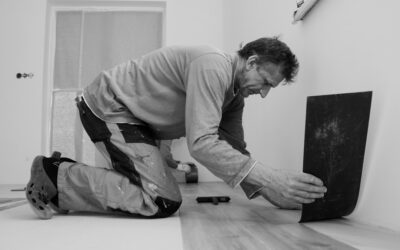
Start with a clean, dry, level subfloor. Concrete below grade should pass a moisture test before any rubber goes down. Acclimate rolled rubber flat for 24 to 48 hours so it relaxes and lies without curling. For permanent installs, use polyurethane adhesive or double-sided seam tape along edges; renters can loose-lay heavy mats. Cut rubber with a fresh utility blade and a straightedge, scoring several light passes rather than forcing one deep cut, which produces ragged edges.
Cleaning and Maintenance
Rubber is low maintenance but particular about chemicals. Sweep or vacuum regularly, then damp mop with a pH-neutral cleaner. Avoid solvent-based, petroleum, or harsh degreasers, which break down the binder and cause the surface to dry out or get sticky. For gyms, an occasional wipe-down keeps the surface from developing the slick film that sweat and dust create. Properly cared for, a good rubber floor outlasts most renovations.
Environmental and Health Notes
Recycled rubber flooring is one of the more sustainable surfaces you can buy, since it keeps millions of scrap tires out of landfills each year by grinding them into usable product. That said, new crumb-rubber flooring off-gasses a noticeable odor for the first few weeks as residual compounds release, so ventilate the space well and avoid installing it in poorly aired rooms until it has aired out. For sensitive environments like nurseries or bedrooms, choose low-VOC certified products or natural gum rubber, which has a milder odor. Once cured, quality rubber flooring is stable and inert, which is why it is trusted in schools, gyms, and healthcare settings.
Is Rubber the Right Pick?
If your priority is durability, safety, and noise control rather than showroom looks, rubber flooring material is hard to beat for the money. It thrives in garages, gyms, kitchens, and play areas where other floors fail. For formal living spaces, look elsewhere, but for the working rooms of a home or business, rubber delivers performance that pays for itself over a decade or more of hard use. Match the format, thickness, and color to the job, prep the subfloor properly, and a rubber floor will quietly outlast nearly everything you put on top of it.
Prefer to explore on your own?
See how new flooring looks in your actual room in seconds — free, no signup.
Try the free Floor Studio →