Placing a rug on carpet might seem redundant — carpet on carpet — but it is one of the most effective (and renter-friendly) ways to define zones in an open floor plan, add color and pattern to a neutral room, protect high-traffic carpet from wear, and disguise stains you cannot remove.
The key to making it work is choosing the right rug-to-carpet pairing, using a proper rug pad, and avoiding combinations that bunch, slide, or look visually heavy. This guide covers all of it — from practical layering techniques to aesthetic styling ideas for your carpet floors.
Can You Put a Rug on Carpet?
Yes — and interior designers do it regularly. Layering a rug over wall-to-wall carpet is a well-established design technique that serves both aesthetic and practical purposes. The approach works best when there is a clear contrast between the rug and the underlying carpet in at least one of these dimensions: texture, pattern, color, or pile height.
The main concerns people have — sliding, bunching, creating a tripping hazard, or looking strange — are all solvable with the right rug pad and thoughtful rug selection. The one scenario to avoid is placing a thick, high-pile rug on thick, high-pile carpet, which creates an unstable, pillowy surface that feels awkward underfoot and bunches relentlessly.
When Rug-on-Carpet Layering Works
Defining zones in open floor plans. A large area rug under a dining table or seating arrangement visually separates that space from the rest of the room without installing different flooring. This is the most common reason designers layer rugs on carpet, and it is especially effective in studio apartments and great rooms.
Adding color or pattern to neutral carpet. Builder-grade carpet is typically beige, gray, or taupe — functional but visually flat. A patterned or colorful area rug transforms the room’s character without replacing the carpet. This is a particularly valuable technique for renters who cannot change the flooring. Visit our living room flooring page for more design inspiration.
Protecting high-traffic areas. The carpet in hallways, entryways, and the path between the sofa and kitchen wears fastest. A runner or area rug absorbs the foot traffic, preserving the carpet beneath. When the rug wears out, you replace it for a fraction of the cost of replacing carpet.
Disguising permanent stains. If your carpet has a stain that resists all removal attempts, an area rug is the simplest and most attractive cover-up.
Adding warmth and sound insulation. In rooms above uninsulated spaces (over garages, above basements), an extra layer of rug adds thermal and acoustic insulation. The combined carpet-plus-rug layer noticeably reduces sound transmission.
When It Does Not Work
Thick rug on thick carpet. A shag rug on plush carpet creates a soft, unstable surface that shifts underfoot and bunches constantly. The combined pile height can exceed two inches, creating a noticeable step-up that becomes a tripping hazard — especially problematic for elderly residents and small children.
Small rug in the center of a large room. A rug that is too small for the space looks like a floating island and makes the room feel disjointed rather than defined. In bedrooms, the rug should extend at least 18 inches beyond the sides and foot of the bed. In living rooms, it should be large enough for the front legs of all seating to rest on it.
Matching textures with no contrast. A flat-weave rug on flat commercial carpet, both in similar neutral tones, reads as a layering accident rather than a design choice. There must be visible contrast — in texture, color, or pattern — for the layering to look intentional.
Rooms with heavy furniture movement. Dining rooms where chairs slide in and out constantly are challenging for rug-on-carpet layering because the movement causes the rug to shift and bunch, even with a rug pad. Use felt-bottomed chair glides and a grippy rug pad to minimize this issue.
Best Rug Pads for Carpet (Non-Slip)
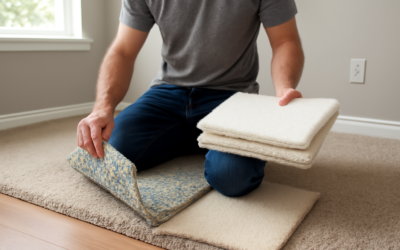
A rug pad is essential when placing a rug on carpet. Without one, the rug will slide, bunch, and create wrinkles that are both unattractive and unsafe. However, not all rug pads work well on carpet — pads designed for hard floors (rubber or latex-backed) can stain carpet fibers. Choose a pad specifically designed for carpet-to-carpet use.
Anchor Grip Rug Pad: Made from a thin, open-weave polyester mesh with thousands of tiny anchor points that grip both the rug backing and the carpet beneath. This is the most popular rug-on-carpet pad for good reason — it is thin enough to avoid adding noticeable height, stays in place without adhesive, and will not damage or stain carpet fibers. Available in standard sizes that can be trimmed with scissors.
Rug-to-Carpet Gripper Tape: Double-sided tape with gentle adhesive on both sides that sticks to the rug backing and the carpet surface. Best for small rugs and runners where a full pad is not practical. The adhesive peels off cleanly from most carpet types, though you should test a small area first on loop or Berber carpet.
Non-Slip Mesh Pad (Ultra-Thin): Similar to the Anchor Grip concept but even thinner (1 – 2 mm). These pads work well under thin flatweave rugs where any added height would be noticeable. They provide moderate grip — adequate for low-traffic areas but not sufficient for high-traffic zones or rooms with active children and pets.
Hook-and-Loop (Velcro) Strips: Industrial-strength Velcro strips applied to the rug’s corners and matching positions on the carpet. This method provides the strongest hold and is ideal for runners in hallways or rugs under dining tables. The hook side should face down (into the carpet) to grip the carpet pile, and the loop side adheres to the rug backing.
Rug Pad Comparison Table
| Rug Pad Type | Thickness | Grip Level | Best For | Carpet-Safe? | Price (5′ x 8′) |
|---|---|---|---|---|---|
| Anchor Grip mesh pad | 2 – 3 mm | High | Area rugs, all rooms | Yes | $20 – $40 |
| Double-sided gripper tape | < 1 mm | Moderate | Small rugs, runners | Yes (test first on loop) | $8 – $15 per roll |
| Ultra-thin non-slip mesh | 1 – 2 mm | Moderate | Flatweave rugs, low traffic | Yes | $15 – $30 |
| Hook-and-loop (Velcro) strips | < 1 mm | Very high | Runners, dining rooms | Yes | $10 – $20 per set |
Preventing Bunching and Sliding
Bunching and sliding are the two most common complaints about layering a rug on carpet. Here is how to eliminate both.
Use the right rug pad. This is the single most important step. An Anchor Grip or mesh pad prevents 90 percent of movement issues. Never skip the pad and assume the rug will “stay put” on its own — it will not.
Choose a rug with a woven (not tufted) back. Tufted rugs have a smooth latex backing that slides easily on carpet. Woven rugs (flatweaves, dhurries, kilims) have a textured back that naturally grips carpet fibers better. If you prefer a tufted rug, the rug pad becomes even more critical.
Anchor corners with furniture. Place furniture legs on the rug’s corners and edges. A sofa, chairs, or bed frame pressing down on the rug provides physical anchoring that supplements the rug pad’s grip. This is why large area rugs under seating arrangements rarely slide — the furniture holds them in place.
Flatten new rugs before laying them down. New rugs arrive rolled and may have curled edges that refuse to lie flat. Reverse-roll the rug (curl it opposite to the packaging direction) and leave it for 24 to 48 hours. Alternatively, place heavy books or furniture on the curled edges until they relax.
Trim the rug pad slightly smaller than the rug. Cut the pad 1 to 2 inches shorter than the rug on all sides. This prevents the pad’s edges from peeking out and allows the rug’s edges to drape slightly, creating a smoother transition to the carpet below.
Styling Ideas by Room
Living Room
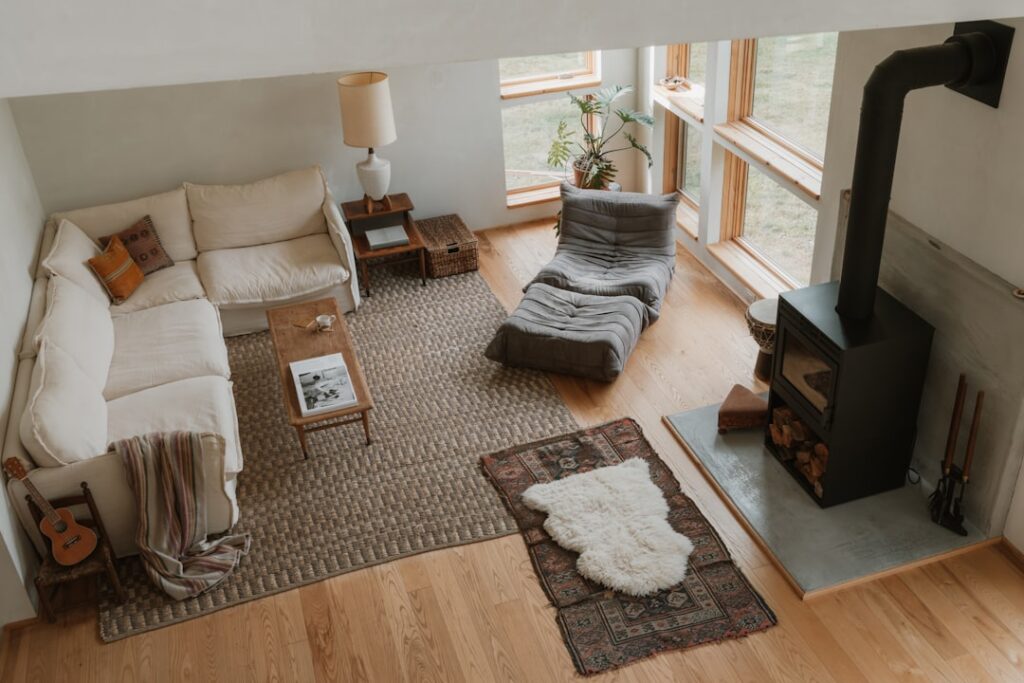
In a living room with neutral carpet, a large patterned rug (8′ x 10′ or 9′ x 12′) under the seating arrangement becomes the room’s visual anchor. Choose a rug with a pattern that incorporates the carpet’s neutral tone plus one or two accent colors that match your pillows, throws, or artwork. Place the front legs of all sofas and chairs on the rug to unify the seating zone.
Bedroom
A plush area rug under and around the bed adds a luxurious, layered feel. Position the rug so that it extends at least 18 to 24 inches beyond the sides and foot of the bed — your feet should land on the rug when you get out of bed. A contrasting texture (like a wool rug on polyester carpet) adds visual depth without overwhelming the room.
Dining Room
Choose a rug large enough for chairs to remain on it even when pulled out (add 24 inches to each side of the table). Flatweave rugs are best for dining rooms because they are easier to clean and chairs slide more smoothly. Use Velcro strips or heavy-duty gripper tape to prevent the rug from bunching under chair movement.
Hallway
A runner protects high-traffic carpet and adds visual interest to an otherwise plain corridor. Standard runners are 2 to 3 feet wide and available in lengths up to 14 feet. Secure with gripper tape or Velcro at both ends and at 3-foot intervals to prevent bunching along the length.
Home Office
An area rug under the desk and chair defines the workspace within a larger room. Use a low-pile or flatweave rug — high-pile rugs make rolling desk chairs difficult. A clear chair mat on top of the rug prevents caster damage while maintaining the layered look.
How to Choose the Right Rug
Contrast the pile height. If your carpet is low-pile, you have freedom to choose any rug pile height. If your carpet is medium or high-pile, choose a low-pile or flatweave rug to keep the total height manageable and avoid a spongy, unstable feel.
Contrast the texture. A smooth, woven rug on textured carpet (or vice versa) creates visual interest. Matching textures (loop on loop, plush on plush) tends to look flat and unintentional.
Size up, not down. The most common layering mistake is choosing a rug that is too small. When in doubt, go one size larger. A generous rug grounds the space; a skimpy rug looks like an afterthought.
Consider maintenance. A rug layered on carpet collects dirt on top and beneath. Choose a rug that is easy to vacuum and shake out. Flatweaves can be flipped to shake debris loose. High-pile rugs trap more dust and require more frequent vacuuming.
Frequently Asked Questions
Can you put a rug on top of carpet?
Yes. Layering a rug on carpet is a common design technique used to define spaces, add color, protect high-traffic areas, and disguise stains. Use a rug pad designed for carpet-to-carpet use to prevent sliding and bunching.
What kind of rug pad works on carpet?
Use a thin, open-weave mesh pad (like Anchor Grip) designed specifically for carpet-to-carpet use. Avoid rubber or latex-backed pads — they can stain or discolor carpet fibers over time. For small rugs and runners, double-sided gripper tape or Velcro strips work well.
Will a rug damage my carpet?
Generally, no. The rug actually protects the carpet beneath from wear and fading. However, heavy furniture sitting on a rug over carpet can create deeper indentations than furniture directly on carpet. When you remove the rug, the carpet beneath may be slightly different in color from the surrounding exposed carpet due to differential fading — this is cosmetic and not damage.
How do I keep a rug from sliding on carpet?
Use a rug pad made for carpet (mesh type, not rubber). Anchor the rug with furniture legs on its edges and corners. For runners and small rugs, use double-sided gripper tape or Velcro strips at the corners. These methods eliminate virtually all sliding.
Can you put a shag rug on carpet?
You can put a shag rug on low-pile or medium-pile carpet without issues, provided you use a rug pad. Avoid placing a shag rug on high-pile plush carpet — the combined softness creates an unstable surface that bunches easily and feels unsteady underfoot.
What size rug should I use on carpet?
Follow standard rug sizing guidelines: in living rooms, the rug should be large enough for the front legs of all seating to rest on it. In bedrooms, extend at least 18 inches beyond the bed on sides and foot. In dining rooms, add 24 inches to each table dimension. When in doubt, size up — a too-large rug looks intentional, while a too-small rug looks like an afterthought.