Placing rugs on carpet might seem counterintuitive. Why put a floor covering on top of another floor covering? But layering an area rug over wall-to-wall carpet flooring is one of the simplest and most effective ways to add color, texture, pattern, and visual definition to a room without ripping out the existing floor. Whether you are renting and cannot change the carpet, want to protect high-traffic areas, or simply want to update the look of a room, layering rugs on carpet works when done right.
- Why Layer Rugs on Carpet
- Add Color and Pattern
- Define Zones in Open Spaces
- Protect High-Traffic Areas
- Add Texture and Warmth
- Cover Stains or Worn Areas
- Best Rug Types for Layering on Carpet
- Rug Pads for Carpet
- Sizing and Placement Guide
- Styling Ideas for Rugs on Carpet
- Neutral Carpet with a Bold Rug
- Neutral Carpet with a Textured Neutral Rug
- Pattern Mixing
- Layering Multiple Rugs
- Runner Rugs on Carpeted Hallways
- How to Prevent Bunching and Slipping
- Maintenance Tips
- Frequently Asked Questions
- Is it OK to put a rug on top of carpet?
- What kind of rug pad do I need for carpet?
- Will a rug damage my carpet?
- Can I put a heavy rug on carpet?
- How do I keep a rug from bunching on carpet?
- Final Thoughts
This guide covers the best rug types for layering on carpet, how to choose the right rug pad, sizing and placement strategies, styling ideas, and practical tips for preventing the bunching, wrinkling, and sliding that can make this look go wrong.
Why Layer Rugs on Carpet
There are several practical and aesthetic reasons to place an area rug over your existing carpet.
Add Color and Pattern
Most wall-to-wall carpet is neutral: beige, gray, or cream. An area rug introduces color, pattern, and visual personality without a permanent commitment. It is an especially valuable technique for renters who cannot change the flooring but want to personalize their space.
Define Zones in Open Spaces
In large living rooms or open-plan areas, an area rug defines a seating area, dining zone, or reading nook within the larger carpeted space. The rug creates visual boundaries that organize furniture and give the room a more intentional, designed feel.
Protect High-Traffic Areas
Carpet in hallways, entryways, and living room traffic lanes wears out faster than carpet in low-use areas. Placing an area rug over these zones absorbs the brunt of the wear and extends the life of the underlying carpet. This is especially useful if you want to preserve the carpet for a future home sale or lease inspection.
Add Texture and Warmth
Layering a thick, textured rug over low-pile carpet adds a dimension of coziness and luxury. The contrast between a flat, short-pile carpet and a plush area rug creates tactile interest that makes the room feel more layered and inviting.
Cover Stains or Worn Areas
Sometimes carpet gets stained, bleached by sunlight, or worn in spots that cleaning cannot fix. A strategically placed area rug hides imperfections and gives the room a fresh look without the cost of carpet replacement.
Best Rug Types for Layering on Carpet
Not all rugs work well over carpet. The underlying carpet and the area rug interact physically, and certain combinations create problems with bunching, rippling, and instability. Here is what to look for.
Flat-Weave and Low-Pile Rugs
Flat-weave rugs (kilims, dhurries, and similar styles) are the safest choice for layering on carpet. Their thin profile lays flat on top of carpet without creating an excessively raised surface. Low-pile rugs are also a good choice. The closer the rug sits to the carpet surface, the less likely it is to bunch, wrinkle, or create a tripping hazard.
Medium-Pile Rugs
Medium-pile area rugs work over low-pile carpet but can be problematic over thick, plush carpet. The combined softness makes the surface unstable, and the rug may shift or ripple under foot traffic. If your carpet is low-pile or commercial grade, a medium-pile rug is fine. Over thick residential carpet, proceed with caution and use a quality rug pad.
Rugs to Avoid on Carpet
Shag rugs, ultra-thick plush rugs, and any rug with a very soft, floppy construction should generally be avoided on carpet. They sink into the carpet pile, bunch up at the edges, and are nearly impossible to keep flat. The thicker and softer the combination of rug and carpet, the more problems you will encounter.
Rug Backing Matters
Rugs with rubber or latex backing can damage certain carpets over time by trapping moisture and causing discoloration or adhesive transfer. Jute or cotton backing is gentler on carpet. If your rug has a rubber backing, place a breathable rug pad between it and the carpet to prevent any chemical interaction.
Rug Pads for Carpet
A rug pad is essential when placing a rug on carpet. It prevents slipping, reduces bunching, and protects both the rug and the carpet beneath it.
Best Rug Pad Types for Carpet
Not all rug pads are designed for carpet. Many pads are intended for hard floors and will not grip carpet fibers effectively. For carpet-to-carpet applications, look for pads specifically labeled for use on carpeted surfaces.
The best options are thin, firm pads with a grippy top and bottom surface. Open-weave PVC pads and thin felt pads with non-slip coatings on both sides work well. Avoid thick cushioned pads, which add more softness to an already soft surface and make the rug feel unstable.
Rug Pad Sizing
The rug pad should be about 1 to 2 inches smaller than the rug on all sides. This prevents the pad from peeking out at the edges and keeps the rug’s border in direct contact with the carpet for a cleaner look.
Double-Sided Carpet Tape
For a budget alternative or in addition to a rug pad, double-sided carpet tape around the rug perimeter can help anchor it to the carpet. Choose a tape specifically designed for carpet-to-carpet use that removes cleanly without leaving residue. This is especially helpful for smaller rugs and runners that tend to shift more easily.
Sizing and Placement Guide
Getting the size and placement right is the difference between a rug that looks intentional and one that looks randomly dropped into the room.
Living Room Sizing
In a living room, the rug should be large enough to anchor the furniture arrangement. Ideally, the front legs of the sofa and chairs sit on the rug. A common living room rug size is 8×10 feet or 9×12 feet. A rug that is too small for the furniture grouping looks disconnected and makes the room feel choppy.
Bedroom Sizing
Under a bed, the rug should extend at least 18 to 24 inches beyond the sides and foot of the bed so you step onto the rug when getting out of bed. A 9×12 rug works for most queen and king beds. Alternatively, two runners on either side of the bed achieve a similar effect.
Dining Area Sizing
A rug under a dining table should extend at least 24 inches beyond the table edges on all sides so chairs remain on the rug when pulled out. For a 6-foot table, an 8×10 or 9×12 rug is typically needed.
Centering and Alignment
Center the rug within the furniture arrangement, not necessarily in the center of the room. The rug should relate to the furniture above it, not the walls around it. Equal borders of exposed carpet on all sides of the rug create a framed, intentional look.
Styling Ideas for Rugs on Carpet
Layering rugs on carpet works best when there is clear visual contrast between the two layers. Here are styling approaches that make the combination look deliberate and polished.
Neutral Carpet with a Bold Rug
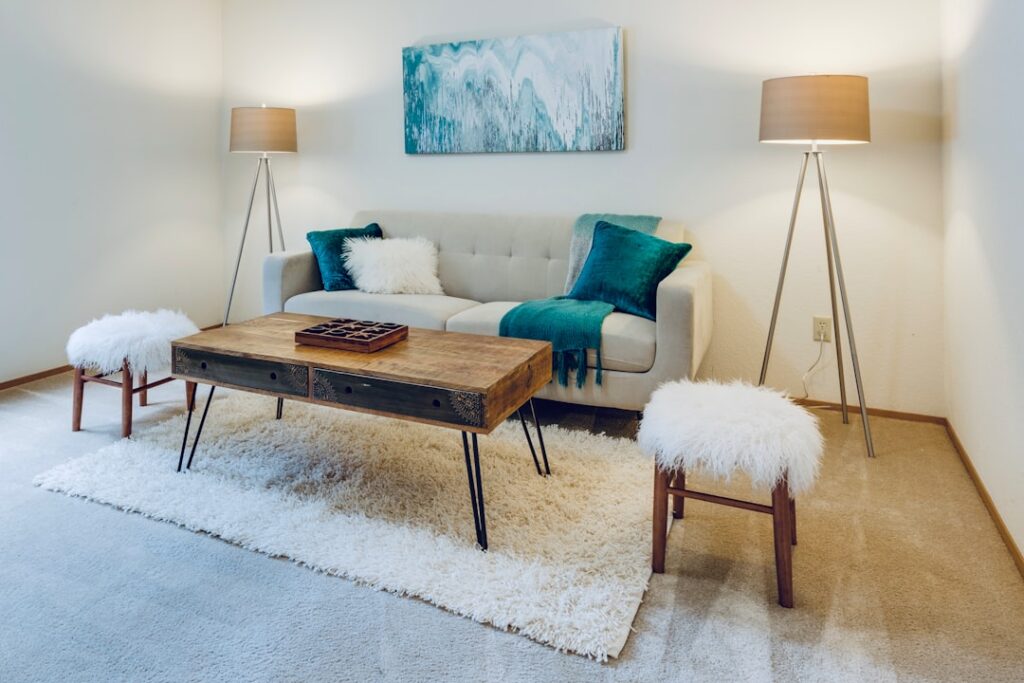
The most foolproof approach. A vibrant patterned or colorful rug over neutral beige or gray carpet creates instant visual interest. The neutral carpet becomes a backdrop, almost like a frame, for the more expressive rug. Persian, Moroccan, geometric, and botanical patterns all work beautifully over neutral carpet.
Neutral Carpet with a Textured Neutral Rug
For a subtler look, layer a textured neutral rug (like a chunky jute or woven wool) over neutral carpet. The visual interest comes from the texture contrast rather than color. This tone-on-tone approach works well in minimalist and Scandinavian-style interiors.
Pattern Mixing
If your carpet has a subtle pattern or texture, you can still layer a patterned rug on top. The key is scale contrast. Pair a carpet with a small-scale texture with a rug that has a bold, large-scale pattern. The size difference between the patterns prevents visual conflict.
Layering Multiple Rugs
In large rooms, you can place multiple area rugs on carpet to define different zones: one under the seating area, one under the dining table, and one in a reading nook, for example. Keep the rugs coordinated in style or color palette so the room feels cohesive rather than chaotic.
Runner Rugs on Carpeted Hallways
A runner rug over carpeted hallways is a common and effective layering technique. It protects the high-traffic center lane, adds pattern and color, and makes the hallway feel more intentional. Choose a flat-weave runner and secure it with double-sided tape or a thin rug pad.
How to Prevent Bunching and Slipping
The biggest practical challenge with rugs on carpet is keeping them flat and in place. Here are proven strategies for preventing the most common problems.
Bunching and Rippling
Bunching usually happens when the rug is too soft, too thin, or lacks a proper pad. A firm, thin rug pad under the entire surface area provides the tension needed to keep the rug flat. If bunching persists, try a slightly thicker pad that provides more structure. Smoothing the rug from the center outward after vacuuming also helps reset any ripples.
Corner Curling
Rug corners that curl upward are a tripping hazard and an eyesore. Rug corner grippers (small triangular adhesive pads) attach to the underside of the rug corners and press them down against the carpet. They are inexpensive, removable, and effective.
Sliding and Shifting
A rug that slides on carpet usually needs a better rug pad. Pads with a non-slip grip on both sides (one side gripping the rug, the other gripping the carpet) address this issue directly. For lightweight rugs, double-sided carpet tape along the perimeter adds extra holding power.
Furniture Anchoring
Heavy furniture placed on the rug is the most effective anchor of all. A sofa, coffee table, or bed sitting on the rug keeps it firmly in place without any special products. This is one reason why properly sizing the rug to your furniture layout is so important.
Maintenance Tips
Layered rugs require a bit more maintenance attention than bare carpet, but the extra effort is minimal.
Vacuuming
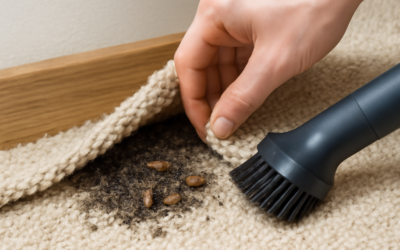
Vacuum both the area rug and the carpet beneath it regularly. Lift or fold back the area rug every few weeks to vacuum the carpet underneath. Dirt and debris can get trapped between the two layers, contributing to carpet wear and potential odors over time.
Rotate the Rug
Rotate your area rug 180 degrees every 6 to 12 months to distribute wear evenly. This is especially important in sunny rooms where UV exposure can fade one side of the rug faster than the other.
Air Out Periodically
Every few months, take the rug outside and let both the rug and the carpet underneath breathe. This prevents moisture buildup and keeps everything fresh. If you notice any musty odors, sprinkle baking soda on the carpet beneath the rug, let it sit for 30 minutes, and vacuum it up before replacing the rug.
Check for Color Transfer
Some rugs, particularly those with rich dyes or rubber backing, can transfer color to the carpet beneath them over time. Check periodically by lifting a corner of the rug. If you notice any discoloration, place a breathable rug pad between the layers to prevent direct contact.
Frequently Asked Questions
Is it OK to put a rug on top of carpet?
Yes, it is a common and widely accepted design practice. Interior designers regularly layer area rugs over wall-to-wall carpet to add color, texture, and definition to rooms. The key is choosing the right rug type and using a proper rug pad to prevent slipping and bunching.
What kind of rug pad do I need for carpet?
Use a thin, firm rug pad designed specifically for carpeted surfaces. Look for pads with non-slip material on both sides. Avoid thick cushioned pads, which create an unstable surface when combined with the carpet’s existing cushion.
Will a rug damage my carpet?
In most cases, no. Rugs can actually protect carpet from wear and sun damage. The main risk is color transfer from rugs with rubber backing or strong dyes. Using a breathable rug pad between the layers prevents this. Also, vacuum beneath the rug regularly to prevent trapped dirt from grinding into the carpet fibers.
Can I put a heavy rug on carpet?
Yes, but heavy rugs like thick wool or hand-knotted styles may compress the carpet pile underneath over time. This compression is usually temporary and recovers once the rug is removed. Regular rotation of the rug helps distribute any compression effects.
How do I keep a rug from bunching on carpet?
Use a quality rug pad designed for carpet, choose flat-weave or low-pile rugs, anchor the rug with furniture, and use rug corner grippers for curling edges. Avoid pairing thick, soft rugs with plush carpet, as the combination is inherently unstable.
Final Thoughts
Layering rugs on carpet is a simple, reversible design move that can completely transform a room. The key principles are straightforward: choose a rug with enough visual contrast to justify the layer, select the right rug pad for carpet-to-carpet use, size the rug appropriately for your furniture layout, and keep both layers clean and well-maintained. Follow these guidelines and your layered look will feel intentional, stylish, and completely at home on top of your existing carpet.