Farmhouse bathrooms have a problem: the internet thinks the style begins and ends with white subway tile. It doesn’t — and honestly, the best farmhouse showers I’ve built lean on everything except subway. The look you’re actually chasing is texture, imperfection, and materials that feel hand-touched: barn wood, old brick, tumbled stone, painted planks. All of it can be done in waterproof porcelain and ceramic that will outlive the house. These are the rustic farmhouse shower tile ideas I actually install — with the formats, colors, and wet-area caveats that separate a magazine shower from a mildew project. (We cover farmhouse subway showers in their own guide, so beyond this sentence, subway sits this one out.)
- Wood-Look Porcelain: The Farmhouse Workhorse
- Brick-Look Tile: Old-World Warmth
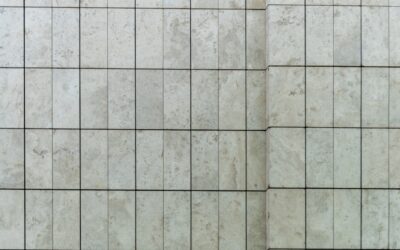
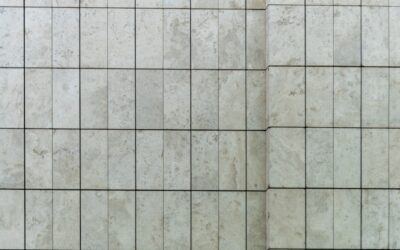
- Tumbled Stone and Travertine: The Original Rustic
- Shiplap-Look and Beadboard-Look Tile
- Zellige and Handmade-Look Square Tile
- Putting a Shower Together: Combinations That Work
- Budget Planning for a Rustic Farmhouse Shower
- The Wet-Area Rules That Keep Rustic From Rotting
Wood-Look Porcelain: The Farmhouse Workhorse
Nothing says farmhouse like wood, and nothing belongs in a shower less than actual wood — which is why wood-look porcelain plank is my number one recommendation in this style. Modern inkjet porcelain nails weathered oak, reclaimed barn board, and whitewashed pine convincingly enough that guests touch the wall to check. The moves that make it work: choose planks with heavy grain texture and color variation (V3 or V4 variation rating) in weathered gray-brown, driftwood, or warm honey tones — the “reclaimed” character is the whole point. Use 6×36 or 8×48 planks laid horizontally on shower walls for a plank-wall effect, or vertically behind the shower head for a striking full-height feature. On the shower floor, skip full-size planks — they’re too big to slope properly to the drain — and either use the line’s matching 2×2 mosaic or run planks only on walls with a pebble or penny floor. Budget: quality wood-look porcelain runs $3 to $8 per square foot, a fraction of the teak-and-regret alternative. One caution: matte, textured finishes look most authentic but grab soap scum in the texture; a quick weekly squeegee keeps the “barn wood” from growing a gray film.
Brick-Look Tile: Old-World Warmth
Exposed brick reads instantly rustic, and thin brick-look porcelain brings it into the wet zone safely. Two routes: true brick-veneer-style porcelain in tumbled reds, whitewash, and creamy limewash tones, laid in a running bond with fat 1/2-inch mortar-colored grout joints — the grout width is what sells the masonry illusion; or “glazed brick” formats (2.5×8, 3×12) with wavy, handmade-look faces in cream, clay, and smoke. A whitewashed-brick-look shower with black fixtures is peak modern farmhouse without a single subway rectangle. Keep the palette dusty and muted — bright orange “new brick” reads pizza oven, not farmhouse. Cost runs $6 to $15 per square foot for the convincing stuff, and because the look depends on chunky joints, spend up on a quality stain-resistant grout; those wide lines are the feature, and grimy wide lines are unforgivable.
Tumbled Stone and Travertine: The Original Rustic
Before farmhouse was a hashtag, rustic bathrooms were tumbled travertine, and the look has quietly come back around — warmer and creamier than the gray decade allowed. Real tumbled travertine, limestone, or slate in 4x4s and 6x6s with rounded, chipped edges gives a texture nothing printed fully matches. The honest trade: real stone in a shower must be sealed on install and re-sealed roughly yearly, and travertine’s pits collect shampoo residue. The 2026 answer is travertine-look and limestone-look porcelain, which has gotten genuinely excellent — chalky matte finishes, pitted texture, warm ivory-to-walnut palettes — at $4 to $9 per square foot with zero sealing. For shower floors, tumbled stone mosaics (2×2) or flat river pebbles are the classic farmhouse foot-feel; pebbles look fantastic but demand meticulous grout sealing and a strong drain slope, so I steer most families to tumbled-look squares and save pebbles for the niche and accents.
Shiplap-Look and Beadboard-Look Tile
Shiplap in a shower sounds like a joke until you see long-format porcelain that mimics painted plank walls — white and cream “boards” 8 to 12 inches tall with a subtle shadow-line edge, stacked horizontally. The effect is a painted farmhouse wall that happens to be waterproof. Look for tiles marketed as plank-wall, board, or linear ceramic with a soft satin glaze; stack them (not offset) so the joints read as shiplap gaps, and use a matching-color grout so lines recede. This is the single sneakiest way to carry a shiplap bathroom’s look straight into the wet area without a seam in the style. Pair with a wood-look porcelain floor and black or aged-brass fixtures. Similar-format fluted and beadboard-look ceramics do the same trick for a softer cottage-farmhouse read.
Zellige and Handmade-Look Square Tile
Farmhouse has drifted toward “collected European” lately, and handmade-look square tile is the driver. True Moroccan zellige (roughly $15 to $30 per square foot) and its excellent ceramic imitators ($5 to $12) bring undulating faces, glaze pooling, and irregular edges that catch light like water. In creams, warm whites, sage, and clay tones, a 4×4 handmade-look stack is rustic in the artisanal sense — imperfect by design. In showers, choose the porcelain/ceramic look-alikes over authentic zellige unless your installer has done zellige wet areas before; the real thing’s irregularity makes waterproof detailing genuinely difficult. This is the idea I push on clients who say “farmhouse, but not a barn.”
Putting a Shower Together: Combinations That Work
| Look | Walls | Shower Floor | Grout | Fixtures |
|---|---|---|---|---|
| Barn character | Weathered wood-look plank, horizontal | Matching 2×2 mosaic | Warm gray, matched | Matte black |
| Whitewashed masonry | Brick-look in limewash, running bond | Tumbled-stone-look 2×2 | Mortar taupe, 1/2 in. joints | Aged brass |
| Old-world stone | Travertine-look 6×6 offset | Pebble or tumbled mosaic | Sand/ivory | Oil-rubbed bronze |
| Painted cottage | Shiplap-look stacked planks, cream | Wood-look mosaic or hex | Color-matched cream | Black or nickel |
| Artisanal farmhouse | Handmade-look 4×4 stack, sage or cream | White hex with dark grout | Slightly darker than tile | Unlacquered brass |
The composition rule across all of them: one hero, everything else quiet. If the walls are heavily textured brick-look, keep the floor simple; if the floor is pebble, calm the walls down. Rustic fails when three loud textures fight in a five-by-four glass box.
Budget Planning for a Rustic Farmhouse Shower
Real numbers help these ideas land. A standard 3×5 shower carries roughly 75 to 95 square feet of wall tile plus 15 for the floor and curb. At mid-range material prices, wood-look porcelain walls with a mosaic floor run $400 to $800 in tile; a handmade-look zellige-style shower lands $700 to $1,400; brick-look and travertine-look sit between. Labor is the bigger line: expect $1,500 to $3,500 for tile setting in most US markets, plus $500 to $1,200 for the waterproofing assembly — and small-format, irregular, and mosaic-heavy designs cost more to set than large rectangles, so the pebble floor and skinny brick formats carry a labor premium beyond their sticker price. If the budget pinches, spend on the waterproofing and the hero wall, and economize on the plain walls with a quieter, cheaper coordinating field tile — a trick designers use constantly, since photos only ever frame the feature wall anyway.
The Wet-Area Rules That Keep Rustic From Rotting
Every idea above lives or dies on the boring stuff behind it. Waterproof the assembly, not the tile — a membrane system (liquid-applied or sheet, Schluter-style or RedGard-type) behind every one of these looks; tile and grout are not waterproofing. Slope and drain the floor properly, especially under pebbles and mosaics, which need more slope to drain than big tile. Use textured, small-format tile on the floor for slip resistance — a DCOF rating of 0.42+ — which rustic finishes conveniently deliver. Seal real stone and any cementitious grout, or buy your way out with urethane/epoxy-hybrid grouts that never need sealing (worth the extra $40 to $80 per shower in this style, since chunky joints are the aesthetic). And ventilate: rustic matte textures hold moisture films longer than glossy tile, so a properly sized exhaust fan on a timer is part of the design, not an afterthought.
Here’s the summary I give clients flipping through farmhouse boards: skip the reflexive white rectangles and pick the texture your farmhouse actually dreams of — barn plank, washed brick, tumbled stone, painted shiplap, or hand-glazed squares — then build it in porcelain and ceramic that fakes the age without inheriting the maintenance. One hero surface, muted earthy palette, fat honest grout lines, bulletproof waterproofing underneath. That’s a rustic farmhouse shower that looks collected in photos and still looks that way after five hundred steamy mornings.
Prefer to explore on your own?
See how new flooring looks in your actual room in seconds — free, no signup.
Try the free Floor Studio →