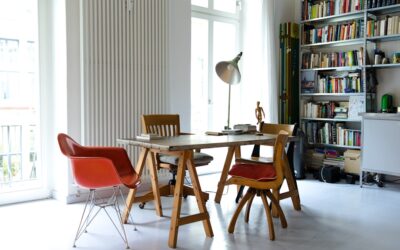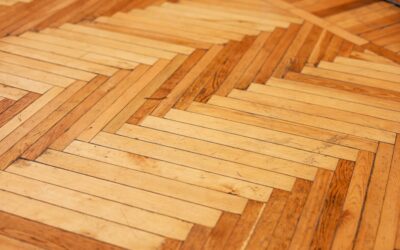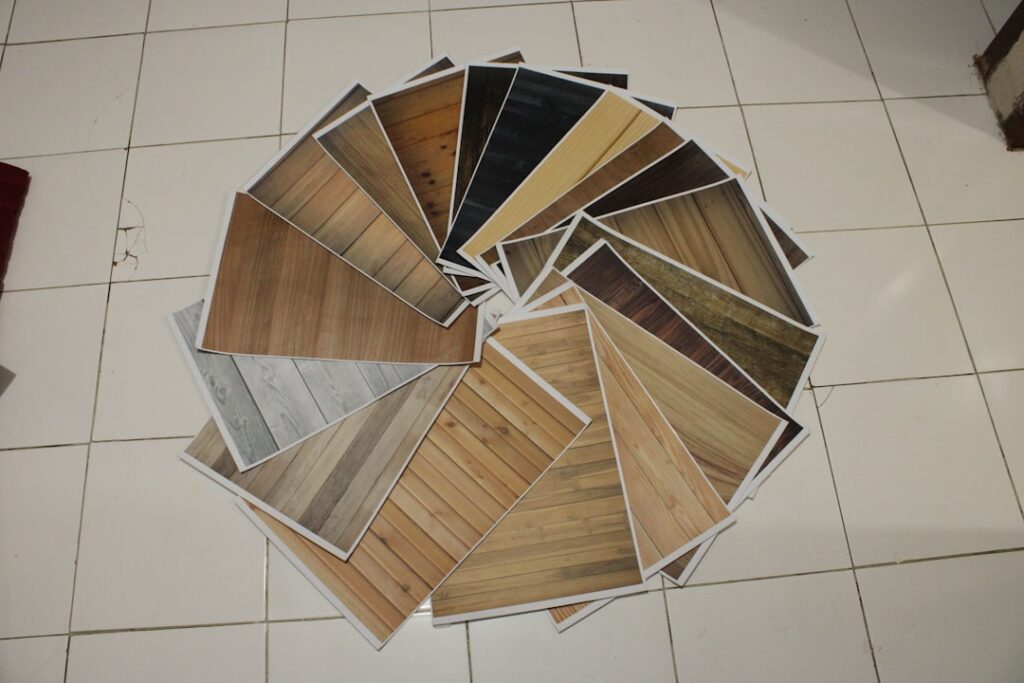
Rustic flooring brings warmth, character, and a sense of history to any home. Whether you are drawn to the weathered patina of reclaimed barn wood, the textured depth of hand-scraped hardwood, or the earthy solidity of natural stone, rustic flooring creates an atmosphere that sleek, modern surfaces simply cannot replicate. The rustic aesthetic works in farmhouse, cottage, cabin, industrial, and even contemporary interiors when used thoughtfully.
This guide explores every major rustic flooring option, from traditional materials to modern alternatives that capture the rustic look at more accessible price points. We cover styles, materials, design considerations, pricing, and maintenance for each option.
What Defines Rustic Flooring?
Rustic flooring is characterized by visible imperfections, natural variation, and textures that suggest age, use, and organic origin. Unlike the smooth, uniform appearance of modern flooring, rustic floors embrace knots, color variation, irregular edges, worn surfaces, and natural textures. The appeal lies in authenticity and character: every mark tells a story, and no two planks or stones look exactly alike.
Rustic flooring is not limited to one material. It spans hardwood, softwood, stone, brick, tile, and even vinyl and laminate products designed to replicate the rustic aesthetic. What unites these diverse options is a shared visual language of texture, warmth, and imperfect beauty.
Reclaimed Wood Flooring
Reclaimed wood is the gold standard of rustic flooring. Sourced from old barns, factories, warehouses, and other structures, reclaimed lumber has decades or even centuries of natural aging that cannot be replicated by artificial means.
Characteristics
Reclaimed wood features nail holes, saw marks, weathering, patina, checking (small surface cracks), and color variations that develop over decades of exposure. The species vary depending on the source, with common options including oak, chestnut, pine, heart pine, and Douglas fir. Each board is unique, and the irregularities are the entire point.
Sourcing and Availability
Reclaimed wood is available through specialty lumber companies, salvage dealers, and some flooring retailers. Supply is inherently limited and inconsistent, which affects both pricing and availability. Some reclaimed wood is carefully denailed, kiln-dried, and milled to standard dimensions for flooring use. Other suppliers sell raw reclaimed lumber that requires additional processing before installation.
Pricing
Reclaimed wood flooring typically costs $8 to $20 per square foot for materials, with rare species or exceptional character commanding even higher prices. Installation runs $4 to $8 per square foot due to the extra care required when working with irregular boards.
Considerations
Ensure reclaimed wood has been properly kiln-dried to eliminate insects and stabilize moisture content. Verify the source if sustainability is important to you. Some “reclaimed” products are actually new wood that has been artificially distressed, so buy from reputable suppliers who can document the wood’s origin.
Hand-Scraped Hardwood
Hand-scraped hardwood flooring delivers rustic character using new wood that has been textured by hand (or machine) to simulate the look of antique, hand-hewn boards.
The Hand-Scraping Process
Traditional hand-scraping involves craftsmen using drawknives and scrapers to create subtle undulations and tool marks on each plank’s surface. The result is a floor with gentle waves, irregular textures, and an aged appearance. Machine-scraped products replicate this look using automated processes that are less expensive but also less authentic. The best hand-scraped floors combine machine and hand techniques for consistency with genuine character.
Best Species for Hand-Scraping
Harder species like hickory, oak, and maple are ideal for hand-scraping because the texture shows clearly and the floor resists further denting and wear. Softer species like pine can also be hand-scraped for a more primitive, colonial look, though they will show additional wear patterns over time.
Pricing
Hand-scraped hardwood typically costs $5 to $12 per square foot for materials, depending on the species, grade, and whether the scraping is done by hand or machine. Machine-scraped products start around $4 per square foot.
Distressed and Wire-Brushed Finishes
Distressed and wire-brushed finishes offer a lighter touch of rustic character compared to the more dramatic textures of hand-scraping.
Distressed Finishes
Distressed hardwood has been intentionally marked with dents, scratches, worm holes, and other imperfections that simulate natural aging. This can be done at the factory or in the field before finishing. Distressed floors are forgiving of everyday wear because new scratches and dings blend with the existing character rather than standing out.
Wire-Brushed Finishes
Wire brushing removes the soft wood fibers from the surface, leaving the harder grain structure exposed. The result is a subtle texture that you can feel underfoot and that catches light to create visual depth. Wire-brushed oak and ash are particularly popular because their prominent grain structures respond well to the process.
Pricing
Distressed and wire-brushed finishes add $1 to $3 per square foot compared to smooth finishes of the same species. These textures are available in both solid and engineered hardwood formats.
Natural Stone Flooring
Natural stone is the original rustic flooring material. Slate, limestone, travertine, and fieldstone bring organic texture and earthy color to interiors in a way that no other material can match.
Slate
Slate features dramatic color variations (blues, greens, grays, purples, and rustic reds) with a naturally cleft texture that feels rough and organic underfoot. It is extremely durable and suitable for high-traffic areas, kitchens, mudrooms, and entryways. Slate costs $4 to $10 per square foot for materials.
Limestone
Limestone offers warm, neutral tones (creams, beiges, and soft grays) with a softer, more muted texture than slate. It suits French country, Mediterranean, and Tuscan-inspired interiors. Limestone is softer than slate and requires sealing to prevent staining. Pricing runs $5 to $15 per square foot.
Travertine
Travertine features distinctive pitting and veining that creates an ancient, weathered appearance. Available in warm earth tones, travertine works beautifully in Old World, Mediterranean, and transitional designs. The natural pitting can be filled and honed for a smoother surface or left unfilled for maximum rustic character. Costs range from $3 to $10 per square foot.
Fieldstone
Fieldstone flooring uses irregularly shaped natural stones set in mortar for a truly rustic, organic look. It is most common in mountain homes, cabins, and rustic lodges. Installation is labor-intensive and expensive, but the result is a one-of-a-kind floor with tremendous character.
Brick Flooring
Brick flooring has a long history in rustic and colonial American architecture. It provides warm, earthy tones and a distinctive texture that works in kitchens, mudrooms, sunrooms, and covered porches.
Types of Brick Flooring
Full-thickness brick pavers are the most authentic option but add significant weight and height. Thin brick veneer (1/2 inch thick) provides the same appearance with less structural impact and easier installation. Reclaimed brick, like reclaimed wood, offers genuine age and patina that new brick cannot match.
Pricing and Installation
New brick pavers cost $3 to $8 per square foot. Reclaimed brick runs $6 to $15 per square foot. Installation over concrete subfloors using thin-set mortar is the standard method. Brick floors should be sealed to prevent staining and make maintenance easier.
Rustic-Look Vinyl and Laminate
For homeowners who want the rustic aesthetic without the cost and maintenance of natural materials, modern vinyl plank and laminate flooring offer increasingly convincing alternatives.
Distressed-Look Vinyl Plank
Luxury vinyl plank products now offer hand-scraped, distressed, and reclaimed wood textures with registered embossing. The best products are remarkably convincing, especially when installed in wide plank formats. Pricing ranges from $2 to $6 per square foot, and the waterproof, low-maintenance properties make vinyl an attractive option for busy households.
Rustic Laminate
Laminate flooring in rustic styles has improved significantly in realism. Textured surfaces, wide planks, and high-definition printing create floors that capture the rustic look at $1 to $4 per square foot. Laminate’s hard surface resists scratches well, though it lacks the tactile depth of real textured wood.
Design Ideas for Rustic Flooring
Farmhouse Style
Pair wide-plank distressed oak or reclaimed wood with white shiplap walls, open shelving, and vintage-inspired fixtures. Keep the color palette neutral with whites, creams, and natural wood tones. A rustic floor anchors the entire farmhouse aesthetic.
Mountain Cabin
Choose hand-scraped hickory or knotty pine flooring with a natural or amber finish. Combine with stone fireplace surrounds, exposed beams, and leather furniture. The floor should feel substantial and warm, complementing the rugged setting.
Industrial Loft
Reclaimed wood flooring paired with exposed brick, steel beams, and concrete accents creates the quintessential industrial aesthetic. Choose boards with heavy patina, nail holes, and saw marks for maximum character. Dark stains or natural aging work equally well.
Rustic Modern
Combine wire-brushed white oak with clean-lined furniture, minimal accessories, and a neutral color palette. The rustic floor provides warmth and texture that prevents modern spaces from feeling sterile. This contrast between rustic and modern is one of the most popular design approaches in 2026.
French Country
Limestone or wide-plank oak flooring in washed or bleached finishes pairs with toile fabrics, carved wood furniture, and soft pastel accents. The floor should feel aged and gently worn, as if it has been there for generations.
Pricing Summary
Reclaimed wood: $8 to $20+ per square foot
Hand-scraped hardwood: $5 to $12 per square foot
Distressed/wire-brushed hardwood: $4 to $10 per square foot
Natural stone (slate, limestone, travertine): $3 to $15 per square foot
Brick pavers: $3 to $15 per square foot
Rustic vinyl plank: $2 to $6 per square foot
Rustic laminate: $1 to $4 per square foot
Maintenance Considerations
Rustic flooring generally requires less fussy maintenance than smooth, glossy surfaces because the textured surfaces hide minor wear and dirt between cleanings. However, each material has its own care requirements. Natural wood needs periodic refinishing. Stone requires sealing. Brick benefits from resealing every few years. Vinyl and laminate need only basic sweeping and damp mopping.
The textured surfaces of rustic flooring can trap dirt in crevices, so regular sweeping or vacuuming is important. For deep cleaning, use appropriate cleaners for your specific material, and avoid harsh chemicals that can damage finishes or strip sealers.
Final Thoughts
Rustic flooring offers something that no amount of modern engineering can perfectly replicate: genuine character. Whether you choose authentic reclaimed wood, hand-scraped hardwood, natural stone, or a well-crafted vinyl alternative, rustic flooring transforms a house into a home with warmth, texture, and visual depth. Define your budget, assess your maintenance tolerance, and choose the material that brings the rustic vision in your head to life underfoot.
Prefer to explore on your own?
See how new flooring looks in your actual room in seconds — free, no signup.
Try the free Floor Studio →