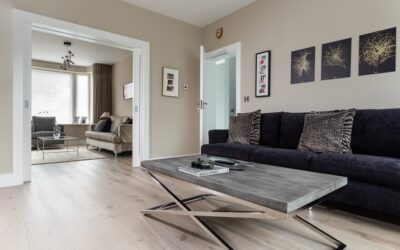
Paint sheen on trim used to be a settled question: gloss or semi-gloss, end of discussion. Then designers started spreading the gospel of satin trim around 2018, and homeowners now stand in front of paint counters genuinely confused about which finish belongs on their baseboards. The honest answer in the satin vs semi gloss trim debate depends on your house, your kids, your dogs, and your willingness to touch up scuffs every six months. Both finishes have legitimate uses, and choosing wrong leads to either dingy-looking trim that shows every fingerprint or harsh shiny baseboards that highlight every drywall imperfection in unforgiving sunlight.
Understanding the Sheen Scale
Paint sheen is measured at a 60-degree angle using a glossmeter, with values ranging from 0 (flat) to 100 (mirror gloss). Satin paints typically test between 25 and 35 on this scale, while semi-gloss falls between 40 and 70. The difference of 10 to 35 points may sound small but creates a clearly visible distinction in how light reflects off the surface. Satin produces a soft pearl-like glow that picks up some light without throwing harsh reflections, while semi-gloss creates noticeable bright spots and reveals the paint’s curvature along trim profiles.
Manufacturers do not all calibrate to the same scale. Benjamin Moore Advance Satin reads at about 28 on the glossmeter, while Sherwin-Williams Emerald Urethane Trim Enamel Satin reads closer to 35. Behr satin lands around 30. The differences are small but mean a “satin” from one brand can look noticeably shinier than “satin” from another. Always check actual sample drawdowns rather than relying on the sheen name alone when matching existing trim.
Durability and Washability
This is where semi-gloss wins decisively. The harder, less porous surface of semi-gloss resists scuffs, fingerprints, and crayon marks better than satin, and it wipes clean with a damp cloth and mild soap without leaving the burnishing marks that often appear on satin finishes after repeated cleaning. In high-traffic areas with kids and pets, semi-gloss trim survives 7 to 10 years between repaints while satin often needs touch-ups within 2 to 4 years.
- Semi-gloss: Resists scuffs, easy to clean, durable for 7-10 years in high-traffic areas
- Satin: Hides imperfections better, looks softer, needs touch-ups every 2-4 years in busy households
- Cleaning method: Semi-gloss accepts Mr. Clean Magic Eraser; satin does not without burnishing
- Marker removal: Sharpie comes off semi-gloss with rubbing alcohol; usually leaves a shadow on satin
- Bathroom resistance: Both work, but semi-gloss handles steam and moisture better long-term
The cleaning difference matters more in family homes with active kids than in adult-only households. If you regularly clean fingerprints off door casings and kick marks off baseboards, semi-gloss saves significant effort. If your trim mostly accumulates dust rather than dirt, the durability gap matters less.
How Each Looks in Real Rooms
Satin trim photographs softer and looks more refined in design magazines, but real-world conditions favor different choices. Rooms with abundant natural light, especially south- and west-facing rooms, often show every drywall imperfection along semi-gloss trim. The high reflectance amplifies any wave, crack, or settled seam between the trim and the wall. In these rooms, satin trim looks calmer and more intentional, with the lower reflectance disguising minor imperfections in trim installation.
Rooms with limited natural light tell the opposite story. North-facing rooms or basement spaces with primarily artificial lighting often look heavy and undefined when painted in satin throughout. Adding semi-gloss trim creates contrast that defines the architecture and prevents the room from feeling visually muddy. Older homes with profiled trim, especially Victorian or Craftsman millwork with multiple curves and beads, benefit from semi-gloss to highlight the detail; satin flattens the profile visually and reduces the trim’s architectural impact.
Side-by-Side Brand Recommendations
Specific products matter as much as the sheen choice itself. Benjamin Moore Advance Waterborne Alkyd in Satin at $69.99 per gallon delivers the closest performance to oil-based trim paint without the drying time or yellowing issues. The alkyd binder cures harder than acrylic paints over 30 days and resists scuffs better than most other satin trim paints. For semi-gloss, Sherwin-Williams Emerald Urethane Trim Enamel at $98 per gallon offers the same hard cure with a higher sheen and even better self-leveling for brush marks.
Budget alternatives include Behr Premium Plus Ultra Satin Enamel at $39.98 per gallon and Valspar Reserve Semi-Gloss at $44.98 per gallon. Both perform adequately for occasional-use rooms but show wear faster in heavy traffic. Skip true bargain options like 5-gallon contractor paints under $80; the resin content is too low to deliver scuff resistance regardless of sheen.
Side-by-Side Application Differences
Semi-gloss paint is more forgiving to apply than satin because brush marks self-level more readily as the paint dries. Satin paint shows brush stripes if you do not work quickly and back-brush systematically. Both finishes benefit from a high-quality natural bristle brush for oil-based paints or a synthetic Purdy Nylox Glide brush at $17.99 for water-based paints. Application temperature should stay between 50 and 85 degrees Fahrenheit with humidity below 75 percent for both sheens.
For doors specifically, spraying delivers better results than brushing on both finishes. A Graco Magnum X5 airless sprayer at $349 atomizes paint fine enough to produce factory-smooth finishes. Whether you choose satin or semi-gloss, spray application levels much more uniformly than brush or roller and eliminates the lap marks that plague door painting at all sheen levels.
When to Choose Each: A Decision Framework
The right choice depends on three factors: traffic level, light conditions, and trim condition. Use this framework to decide:
- High-traffic family home with kids under 12: Semi-gloss for all trim, especially baseboards and door frames. Durability beats aesthetics in these conditions.
- Adult household with minimal scuffs: Satin throughout for a softer modern look that still wipes clean occasionally.
- Newly built home with well-finished trim: Either works; choose based on light conditions and personal preference.
- Older home with imperfect trim: Satin to hide imperfections; semi-gloss will amplify every wave and gap.
- Bathrooms and kitchens: Semi-gloss handles moisture and frequent cleaning better.
- Formal living and dining rooms: Satin gives a more sophisticated finish in low-traffic spaces.
- Mixed approach: Many designers now use semi-gloss on doors and frames while running satin on baseboards and window casings.
What About the Walls?
Sheen contrast between walls and trim affects how dramatic the trim looks. The traditional approach uses eggshell or matte walls with semi-gloss trim, creating noticeable contrast that highlights the architecture. Modern minimalist approaches use the same satin sheen on both walls and trim for a quieter, more contemporary look. The all-satin approach works best when the wall color and trim color are different enough to create separation through color alone rather than relying on sheen contrast.
Avoid running glossy paint on the walls and matte paint on the trim; the visual relationship looks backwards and dates the space immediately. Also avoid running flat or matte paint on trim, regardless of how trendy the look becomes in design magazines, because flat paint shows fingerprints permanently and cannot be cleaned without leaving burnish marks. The minimum acceptable trim sheen for cleanability is eggshell at about 15 on the glossmeter, and only in very low-traffic rooms.