Choosing between LVP vs laminate flooring trips up more homeowners than almost any other flooring decision. Both look like hardwood, both use click-lock installation, and both cost between $2.00 and $5.00 per square foot. But under the surface, these two products handle water, wear, and everyday life very differently. Pick the wrong one for your space and you could be ripping it out within five years.
What Is LVP?
Luxury vinyl plank is a synthetic flooring made from PVC layers fused under heat and pressure. The core is either SPC (stone polymer composite) or WPC (wood polymer composite), both of which are 100% waterproof. A photographic layer printed with high-resolution wood imagery sits beneath a clear wear layer that resists scratches and stains.
SPC cores feel harder and more rigid underfoot, making them ideal for high-traffic areas and spaces with heavy furniture. WPC cores include a foamed layer that adds cushion and sound absorption, which works well in bedrooms and upper floors where noise transfer matters. Both core types install identically with click-lock systems.
What Is Laminate?
Laminate flooring sandwiches a photographic decor layer between a melamine wear layer on top and an HDF (high-density fiberboard) core below. That wood-based core is the critical difference between these two products. HDF absorbs moisture, which means traditional laminate swells and warps when exposed to standing water.
Newer water-resistant laminates from brands like Pergo WetProtect, RevWood Plus, and AquaGuard use sealed edges and treated cores to slow moisture penetration, but they are still not truly waterproof. Prolonged exposure — a leaking dishwasher overnight or a basement humidity problem — will eventually damage them. The improvement over older laminate is significant, though, with most premium laminates handling surface spills for 24-48 hours without issue.
Water Resistance: The Deciding Factor
This is where LVP wins decisively, and for many homeowners it is the only comparison that matters. Vinyl plank floors can sit in a puddle for hours — even days — without damage. Spills, pet accidents, and even minor flooding will not affect the core material. That makes LVP the clear choice for kitchens, bathrooms, basements, and laundry rooms.
Laminate handles quick spills if you wipe them up within 15-20 minutes. But a dishwasher leak overnight or a basement moisture issue will cause irreversible swelling along the seams. Once laminate swells, the damaged planks must be replaced — and because of the click-lock system, you often need to disassemble the floor back to the damaged area to make the swap.
If you have pets, small children, or any room where water contact is likely, LVP eliminates the biggest risk factor in flooring failure.
Durability and Scratch Resistance
Laminate actually outperforms LVP in surface hardness and scratch resistance — a fact that surprises most shoppers. The melamine overlay on quality laminate is rated AC3 to AC5 on the abrasion scale, which handles dog nails, chair legs, and heavy furniture movement better than most vinyl wear layers.
LVP with a 20-mil wear layer holds up well in residential settings, but it can dent under heavy point loads like furniture legs without floor protector pads. Thinner 12-mil wear layers show scratches from large dogs within a couple of years. If you have big dogs and a dry environment, laminate may actually be the more durable choice for surface wear resistance.
For dent resistance specifically, SPC vinyl outperforms WPC vinyl because the rigid stone-composite core does not compress as easily. If durability is your top concern in a dry space, compare AC4+ laminate against SPC vinyl with a 20-mil wear layer — both will hold up for 15-20 years under normal residential traffic.
Comfort and Sound
Underfoot comfort depends heavily on the specific product, but some general rules hold true across the LVP vs laminate flooring comparison:
- LVP (WPC core): Softest option, built-in sound absorption, most comfortable for standing and walking barefoot
- LVP (SPC core): Harder feel, similar to ceramic tile. May need separate underlayment for comfort on concrete subfloors
- Laminate: Moderate comfort with underlayment, but hollow sound when walking without proper padding
Laminate is notorious for producing a hollow clicking sound underfoot if installed without quality underlayment. A good foam or cork underlayment ($0.25-$0.75 per sq ft) solves this problem and adds warmth. Many LVP products come with attached cork or EVA foam backing, eliminating the separate underlayment purchase and saving both money and installation time.
On upper floors in multi-story homes, sound transmission to the room below matters significantly. WPC vinyl with attached backing consistently achieves the best IIC (Impact Insulation Class) ratings — typically 65-72 — compared to SPC vinyl at 55-65 and laminate at 50-60 without additional underlayment.
Appearance and Realism
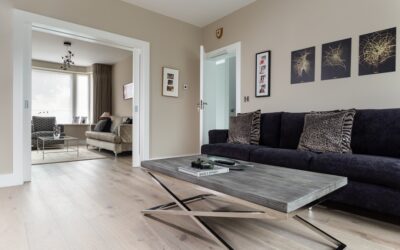
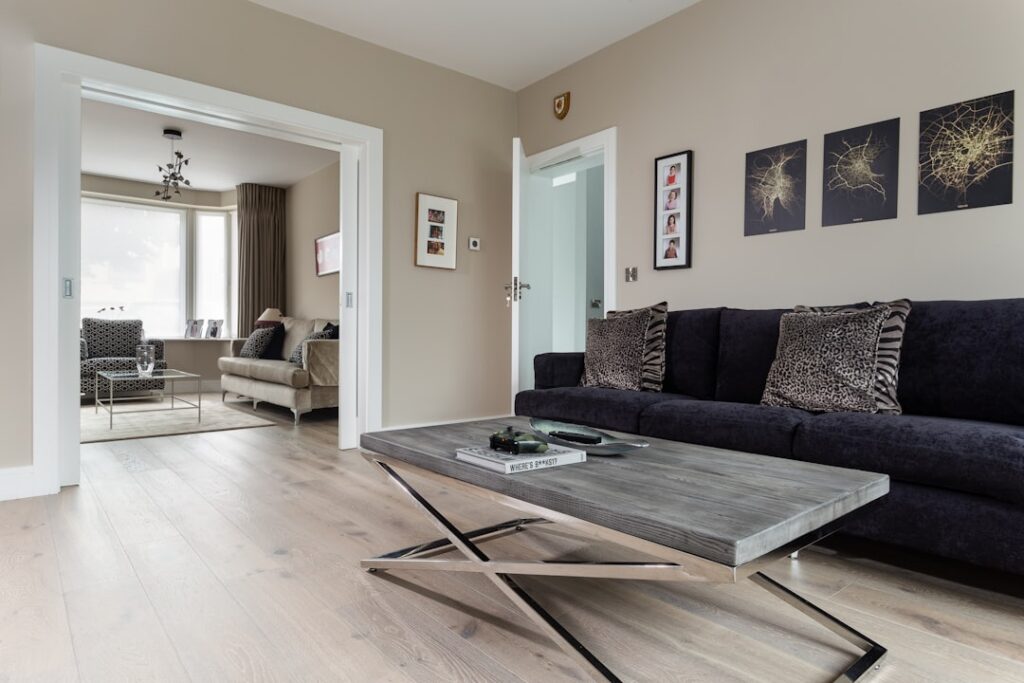
Both products have improved dramatically in visual realism over the past five years. Premium laminate and LVP are nearly indistinguishable from real hardwood at a glance, with embossed-in-register (EIR) textures that align the surface texture with the printed grain pattern.
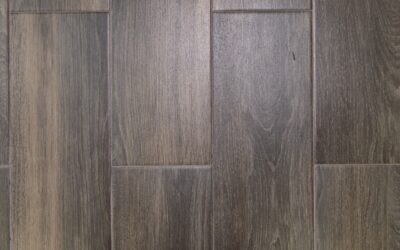
Laminate tends to look slightly more realistic in lighter wood tones because the melamine surface has a subtle depth that vinyl lacks. Darker colors and hand-scraped textures, however, look equally convincing in both materials. Wider planks (7 inches or more) and longer lengths (48-72 inches) enhance realism in either product by reducing the number of visible seams and pattern repeats.
Cost Breakdown
Material costs for both products overlap significantly, but installation and long-term value differ:
- LVP materials: $2.00-$5.00 per sq ft
- Laminate materials: $1.00-$4.00 per sq ft
- LVP installation: $1.50-$3.50 per sq ft
- Laminate installation: $1.50-$3.00 per sq ft
- LVP total (300 sq ft room): $1,050-$2,550
- Laminate total (300 sq ft room): $750-$2,100
Laminate costs 15-25% less on average for the initial installation. However, if you factor in potential water damage replacement in moisture-prone rooms, LVP often costs less over a 15-year span. One laminate replacement due to water damage wipes out all the upfront savings and then some.
Best Rooms for Each Flooring Type
Matching the right flooring to the right room prevents expensive mistakes down the road.
- Kitchens: LVP. Water exposure is constant around sinks and dishwashers, and the consequences of a leak are too costly with laminate.
- Bathrooms: LVP only. Laminate should never go in a full bathroom, period.
- Basements: LVP. Concrete subfloors carry moisture risk that laminate cannot handle, even with a vapor barrier.
- Bedrooms: Either works well. Laminate offers slightly better scratch resistance for the price, and moisture is rarely a concern.
- Living rooms: Either works. Choose based on pets, budget, and aesthetic preference.
- Upper floors: WPC vinyl plank for its superior sound dampening, or laminate with thick cork underlayment.
- Entryways and mudrooms: LVP. Tracked-in snow, rain, and wet shoes make waterproof flooring essential.
Environmental and Health Considerations
Laminate has a slight environmental edge because its HDF core is made primarily from wood fiber, a renewable resource. Most laminate is also easier to recycle at end of life. LVP is a petroleum-based product that is more difficult to recycle, though some manufacturers have introduced take-back programs.
Both products are safe for residential use when they carry FloorScore or GreenGuard Gold certification, which limits volatile organic compound (VOC) emissions. Avoid unbranded imports without third-party certification, as some budget vinyl products have historically tested high for phthalates. Stick with established brands and look for the certification label on the box.
Which Should You Choose?
Pick LVP if your home has pets that have accidents, kids who spill drinks, or any room where water exposure is a concern. The waterproof core eliminates the biggest risk factor in flooring failure, and the product lasts 15-25 years in residential settings.
Go with laminate if you want the hardest possible surface on a tight budget and your space stays dry. Bedrooms, home offices, and upper-level hallways are safe choices for laminate, and premium products from Pergo or Quick-Step look as good as LVP at a lower price point.
Many homeowners split the difference by installing LVP in wet areas (kitchen, bathrooms, basement, laundry room) and laminate in dry rooms (bedrooms, offices, closets). Just use matching transition strips where the two products meet to keep the look cohesive across your home. This mixed approach gives you the best performance in each room without overspending on waterproof flooring where it is not needed.
Prefer to explore on your own?
See how new flooring looks in your actual room in seconds — free, no signup.
Try the free Floor Studio →