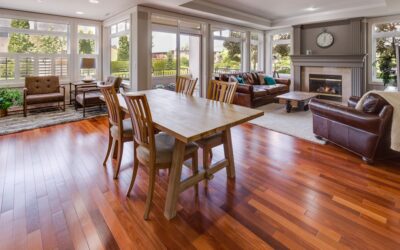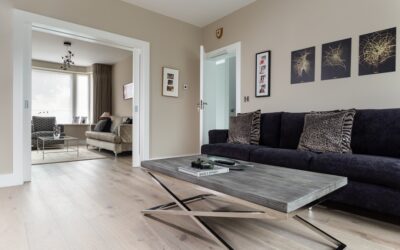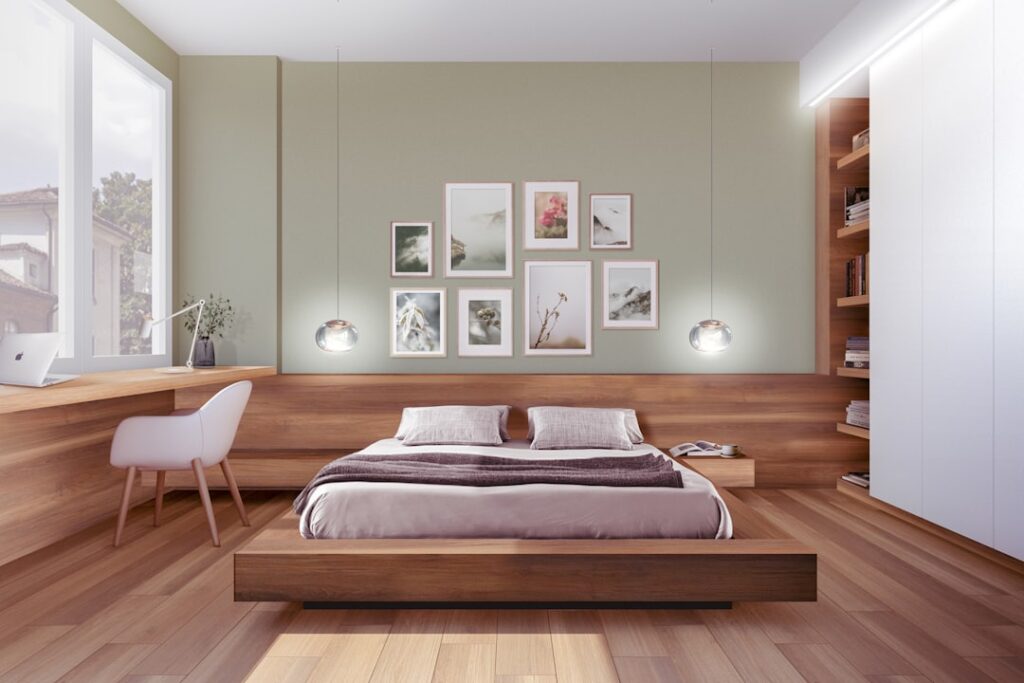
Walk into any flooring store and you will see two categories dominating the mid-range price point: hybrid flooring and laminate. They are both affordable alternatives to real hardwood. They both install as floating floors with click-lock systems. They even look similar when installed. But they are built from different materials, and those differences matter in the rooms where you put them.
This guide breaks down exactly what hybrid flooring is, how it compares to laminate on every measure that counts, and which one you should choose for your project.
What Is Hybrid Flooring?
Hybrid flooring is a rigid-core vinyl flooring product that combines the click-lock installation of laminate with the waterproof performance of vinyl. The term “hybrid” comes from this blend of characteristics — it takes the best traits from multiple flooring types.
In practical terms, hybrid flooring is what the industry calls SPC (stone polymer composite) or WPC (wood polymer composite) luxury vinyl. If you have heard of rigid-core LVP or LVT, that is hybrid flooring under a different marketing name. Australia and parts of Europe tend to use “hybrid” as the primary term, while North America more commonly uses “LVP,” “SPC,” or “rigid-core vinyl.”
The core of hybrid flooring is a dense, waterproof composite of limestone powder and PVC (SPC) or wood flour and PVC (WPC). A photographic print layer mimics wood or stone, and a clear wear layer protects the surface.
What Is Laminate Flooring?
Laminate flooring is a multi-layer product with a high-density fiberboard (HDF) core. The core is made from compressed wood fibers bonded with resin. A high-resolution photograph of wood (or stone) is printed on a decor paper layer, and a hard, clear melamine or aluminum oxide wear layer goes on top.
Laminate has been a popular affordable flooring option since the 1980s. It installs as a floating floor with click-lock connections, looks increasingly realistic, and costs less than most competing products. Its primary limitation — and the main reason hybrid flooring has eaten into its market share — is that its wood-fiber core is vulnerable to water damage.
Construction Differences
Hybrid Flooring Layers
- Wear layer: Clear polyurethane or ceramic-enhanced urethane (6 to 28 mil)
- Print layer: High-definition photographic image of wood or stone
- Core: SPC (limestone + PVC) or WPC (wood flour + PVC), 4 to 8 mm thick
- Backing: Often includes attached IXPE foam or cork underlayment
Laminate Layers
- Wear layer: Aluminum oxide or melamine resin overlay
- Decor layer: Printed paper with wood or stone image
- Core: High-density fiberboard (HDF), 7 to 12 mm thick
- Backing: Melamine-coated paper for moisture barrier and balance
The Core Difference
This is what everything comes down to. Hybrid’s SPC/WPC core is 100% waterproof. Laminate’s HDF core is made from wood fibers that swell when they absorb water. This single material difference defines where each product can and cannot be used.
Water Resistance
Hybrid Flooring: Waterproof
Hybrid flooring’s synthetic core does not absorb water under any circumstance. You can submerge a hybrid plank in water indefinitely, and it will not swell, warp, or degrade. This makes hybrid suitable for every room in the home, including bathrooms, kitchens, laundry rooms, and basements.
Laminate: Water-Resistant at Best
Standard laminate is not water-resistant. A spill left on the floor can seep through the seams, reach the HDF core, and cause irreversible swelling. Modern “water-resistant” laminate products feature treated HDF cores and sealed edges that provide protection for 24 to 72 hours — enough to handle splashes and quickly cleaned spills, but not enough for bathrooms, kitchens with dishwashers, or basements.
“Waterproof laminate” exists as a marketing category, but read the fine print carefully. Some products marketed as waterproof laminate are actually hybrid/SPC products with a laminate-style surface. Others are traditional laminate with enhanced water-resistance that does not match true waterproof performance.
If moisture is a concern in any form — and in kitchens, bathrooms, and basements, it should be — hybrid flooring is the definitive winner. For complete peace of mind, see our guide to waterproof flooring.
Durability
Scratch Resistance
Laminate has the edge here. Its aluminum oxide wear layer is among the hardest surface coatings in the flooring industry. High-rated laminate (AC4 and AC5) resists scratches from pet claws, furniture legs, and abrasive grit better than most hybrid flooring products.
Hybrid flooring’s polyurethane wear layer provides good scratch resistance, especially at 20 mil and above, but it is softer than laminate’s aluminum oxide. Budget hybrid products (6 to 12 mil wear layer) scratch noticeably more easily than mid-range laminate.
Dent Resistance
SPC hybrid flooring is very dent-resistant due to its dense stone composite core. WPC hybrid is softer and more prone to denting under heavy furniture. Laminate’s HDF core is also highly dent-resistant. Overall, SPC hybrid and laminate are comparable, with WPC hybrid trailing slightly.
Impact Resistance
Hybrid flooring handles impacts better. Its slight flexibility absorbs shock, making it less likely to chip or crack when something heavy is dropped. Laminate is more brittle — a hard impact can chip the surface irreparably.
Appearance
Both products have reached impressive levels of visual realism through advances in printing technology and surface texturing.
Laminate Appearance
Premium laminate in 2026 is remarkably realistic. The HDF core gives planks a satisfying rigidity and resonance that feels closer to real wood than hybrid flooring. Embossed-in-register (EIR) texturing, long planks, and wide formats create a convincing hardwood look. Laminate often has a slight acoustic advantage — the tap of a shoe on laminate sounds more like wood than vinyl.
Hybrid Appearance
Premium hybrid flooring is also highly realistic, with high-definition printing and embossed surfaces. However, the vinyl print layer has a subtle sheen and texture that differs from laminate’s paper-and-melamine surface. Side by side, many people find laminate to look and feel slightly more like real hardwood, though the gap has narrowed considerably.
Design Variety
Both products offer extensive wood-look and stone-look options. Hybrid flooring has a slight edge in stone and tile looks (the vinyl surface renders stone textures more convincingly), while laminate has a slight edge in wood looks (the melamine surface renders wood grain more naturally).
Comfort and Sound
Underfoot Comfort
WPC hybrid flooring is the most comfortable option in this comparison — its foam-infused core provides genuine cushion. SPC hybrid is firmer, similar to laminate. Laminate’s comfort depends on the underlayment; with premium cork or foam underlayment, laminate feels solid and comfortable.
Sound
Laminate is the louder product. Without a quality underlayment, laminate can produce a hollow, clicking sound when walked on. This is its most common complaint. A good underlayment reduces the noise substantially but adds cost.
Hybrid flooring, particularly WPC with attached underlayment, is quieter. The dense core absorbs footstep sound better, and attached underlayment eliminates the hollow-floor effect. For upper-floor installations in multi-story homes, hybrid is the quieter choice.
Installation
Both products install as floating click-lock floors, making them among the most DIY-friendly flooring options available.
Hybrid Installation
- Click-lock floating installation
- Cuts with a utility knife and straight edge (score and snap) or miter saw
- No acclimation period required (dimensionally stable)
- Many products include attached underlayment
- Can install over most existing hard-surface floors
Laminate Installation
- Click-lock floating installation
- Requires a miter saw or circular saw for cuts (cannot score and snap)
- 48-hour acclimation period recommended before installation
- Separate underlayment usually required
- Can install over most existing hard-surface floors
Hybrid is slightly easier to install because it cuts without a saw and does not require acclimation. Both are beginner-friendly and can be completed over a weekend for a standard room.
Cost Comparison
| Cost Category | Hybrid Flooring | Laminate |
|---|---|---|
| Budget Materials | $1.50 to $3.00/sq ft | $0.70 to $1.50/sq ft |
| Mid-Range Materials | $3.00 to $5.00/sq ft | $1.50 to $3.50/sq ft |
| Premium Materials | $5.00 to $8.00/sq ft | $3.50 to $6.00/sq ft |
| Underlayment | Often attached ($0) | $0.25 to $0.75/sq ft separate |
| Professional Installation | $2.00 to $4.00/sq ft | $2.00 to $4.00/sq ft |
Laminate is the cheaper product at every tier. For a 400-square-foot room, the material cost difference between mid-range hybrid and mid-range laminate is roughly $600 to $1,000. Laminate’s lower cost is its primary competitive advantage in dry rooms where water resistance is not critical.
Maintenance
Hybrid Maintenance
- Sweep or vacuum regularly
- Wet mop as needed (water on the surface is not a concern)
- Most household cleaners are safe (pH-neutral vinyl cleaners are ideal)
- No special precautions for spills
Laminate Maintenance
- Sweep or vacuum regularly
- Damp mop only — never wet mop
- Clean spills immediately
- Use laminate-specific cleaners
- Never use steam mops
Hybrid requires less care and attention. You simply do not have to think about moisture, which removes the most common source of laminate damage.
Full Comparison Table
| Feature | Hybrid Flooring (SPC/WPC) | Laminate |
|---|---|---|
| Core Material | SPC or WPC (synthetic) | HDF (wood fiber) |
| Waterproof | Yes | No |
| Scratch Resistance | Good (polyurethane) | Excellent (aluminum oxide) |
| Impact Resistance | Very Good | Moderate (can chip) |
| Realism | Very Good | Excellent |
| Comfort | Good (WPC) to Moderate (SPC) | Moderate (depends on underlayment) |
| Sound | Quieter | Louder (without underlayment) |
| Mid-Range Cost | $3.00 to $5.00/sq ft | $1.50 to $3.50/sq ft |
| Cutting Method | Score-and-snap or saw | Saw required |
| Acclimation Needed | No | Yes (48 hours) |
| Bathrooms/Kitchens | Yes | Not recommended |
| Basements | Yes | Risky |
| Lifespan | 15 to 25 years | 15 to 25 years |
Best Rooms for Each
Choose Hybrid Flooring For
- Kitchens (waterproof protection from spills and leaks)
- Bathrooms (fully waterproof)
- Laundry rooms
- Basements (no moisture risk)
- Mudrooms and entryways
- Whole-house installations (works in every room)
- Rental properties (durable, waterproof, tenant-proof)
Choose Laminate For
- Bedrooms (dry, low-moisture environment)
- Living rooms and family rooms (if no moisture concerns)
- Home offices and studies
- Upper-floor hallways (with quality underlayment for sound)
- Budget-conscious dry-area installations
The Verdict
Choose hybrid flooring if you need waterproof performance, want to use one floor throughout the home, or are installing in any room where moisture is possible. Hybrid’s waterproof core eliminates the biggest risk in flooring — water damage — and its performance in all other categories is strong.
Choose laminate if your budget is tight and you are flooring dry rooms only. Laminate delivers excellent scratch resistance and visual realism at a price point hybrid cannot match. In a bedroom, living room, or home office that will never see significant moisture, laminate is a smart, cost-effective choice.
For many homeowners, the practical solution is hybrid throughout the main floor (kitchen, living areas, entryway) and laminate in bedrooms and upper-floor rooms where water exposure is minimal and cost savings add up.
Frequently Asked Questions
Is hybrid flooring the same as LVP?
Essentially, yes. “Hybrid flooring” is the term commonly used in Australia and parts of Europe for what North Americans call rigid-core LVP or SPC flooring. The products are the same — a waterproof composite core with a vinyl print layer and click-lock installation. See our LVP flooring guide for more details.
Can I put laminate in a kitchen?
You can, but it carries risk. Water-resistant laminate handles brief spills, but a dishwasher leak, sink overflow, or ice maker malfunction can cause permanent HDF core swelling. Hybrid flooring is the safer kitchen floor.
Which looks more like real hardwood?
At the premium end, both are very convincing. Laminate has a slight edge in wood-look realism because its melamine surface and HDF core produce a more wood-like feel and sound. The difference is subtle and narrowing each year as both technologies improve.
Is hybrid flooring worth the extra cost over laminate?
In wet-area rooms (kitchen, bathroom, basement, laundry), absolutely. The waterproof protection alone justifies the premium. In dry rooms, the extra cost is harder to justify unless you value the quieter footstep sound, easier maintenance, and peace of mind that comes with a waterproof floor.
How long does each product last?
Both hybrid and laminate last 15 to 25 years in residential settings with proper care. Hybrid’s lifespan is more predictable because water damage — the most common cause of premature flooring failure — is not a risk.
Prefer to explore on your own?
See how new flooring looks in your actual room in seconds — free, no signup.
Try the free Floor Studio →