Picking a cabinet color is the easy part. The choice that actually changes how your kitchen looks and wears is the sheen, and the semi gloss vs satin cabinets debate comes down to a real trade-off: shine and scrubbability versus a softer look that hides imperfections. Semi-gloss is tougher and reflects more light, while satin is more forgiving of surface flaws and feels more modern. Neither is wrong. Here is an honest breakdown to help you choose the finish that fits how you cook, clean, and live.
- What Sheen Actually Means
- Durability and Cleanability
- Hiding Flaws vs Showing Them
- The Look: Traditional Crispness vs Modern Softness
- Side-by-Side Comparison
- Which One Should You Choose?
- What About Other Sheens?
- Application Tips for Either Sheen
- How Color Affects the Choice
- Cost and Longevity
- Final Thoughts
What Sheen Actually Means
Sheen describes how much light a paint finish reflects. It runs from flat at the low end through eggshell, satin, semi-gloss, and high-gloss at the top. Satin and semi-gloss sit in the upper-middle range, which is exactly why both are popular on cabinets. They reflect enough light to be cleanable but not so much that they look plasticky.
Satin reflects a soft, low-to-medium glow. Semi-gloss reflects noticeably more, giving a crisp, light-bouncing finish. That single difference cascades into durability, cleaning, and appearance.
Durability and Cleanability
This is where semi-gloss earns its reputation. The higher the sheen, generally the harder and more moisture-resistant the cured film. Semi-gloss stands up better to repeated scrubbing, grease splatter, and the constant fingerprints cabinets collect near handles and around the stove.
Satin is still durable and wipeable, more so than eggshell or flat, but it is a step below semi-gloss for heavy-duty cleaning. In a busy family kitchen where doors get touched and splashed all day, semi-gloss takes abuse and washes clean more easily.
- Semi-gloss: most scrubbable, best grease and moisture resistance
- Satin: very wipeable and durable, but slightly softer film
Hiding Flaws vs Showing Them
Here is the honest catch with semi-gloss. The same reflectivity that makes it pop also highlights every imperfection underneath, including brush strokes, roller stipple, dents, filled grain, and sanding marks. On older or less-than-perfect cabinet boxes, semi-gloss can be unforgiving.
Satin’s lower sheen scatters light, so it disguises minor surface flaws, uneven prep, and small repairs. If your cabinets are not perfectly smooth, or you are painting them yourself without spray equipment, satin will look better with less effort.
The Look: Traditional Crispness vs Modern Softness
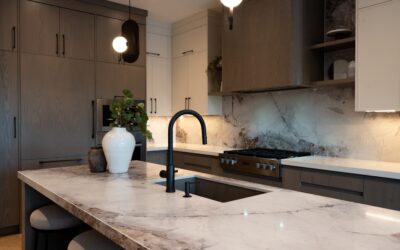
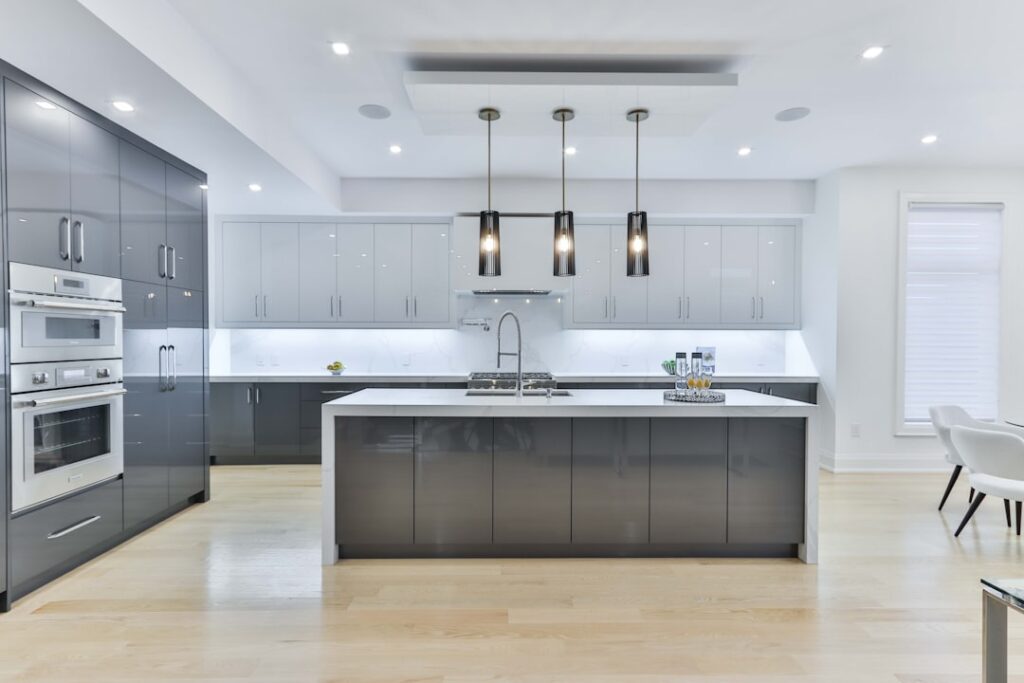
Appearance is subjective, but there are tendencies. Semi-gloss reads crisp, clean, and a little more traditional or formal. It makes white cabinets feel bright and reflective and emphasizes detailed door profiles like shaker rails and raised panels.
Satin reads softer, warmer, and more contemporary. It is the on-trend choice for modern and transitional kitchens, and it pairs well with matte hardware and quiet color palettes. Many designers currently lean satin for a more understated, high-end feel, while semi-gloss remains the classic, practical pick.
Side-by-Side Comparison
- Sheen level: semi-gloss higher, satin lower
- Durability: semi-gloss slightly tougher
- Cleanability: semi-gloss easier to scrub
- Hides flaws: satin wins clearly
- Look: semi-gloss crisp and traditional, satin soft and modern
- Shows fingerprints: semi-gloss can show more on dark colors
- DIY friendliness: satin is more forgiving of imperfect application
Which One Should You Choose?
Match the finish to your priorities and your cabinets’ condition.
Choose semi-gloss if your cabinets are smooth and well-prepped, you want maximum durability around a heavily used stove and sink, you like a brighter reflective look, or you are spraying for a flawless finish. It is also a strong pick for bathrooms where moisture resistance matters.
Choose satin if your cabinets have minor imperfections you would rather hide, you prefer a softer modern aesthetic, you are brushing and rolling by hand, or you have dark cabinets where you want to minimize visible fingerprints. Satin is the easier finish to get right for most DIYers.
What About Other Sheens?
Satin and semi-gloss dominate the cabinet conversation, but it helps to know where they sit on the spectrum. Eggshell and flat are too low in sheen for cabinets, scuffing and staining easily, so skip them. High-gloss sits above semi-gloss and delivers a dramatic, lacquer-like mirror finish that is stunning on modern cabinets but ruthlessly highlights every flaw and demands flawless prep and spraying. For the vast majority of kitchens and baths, the right choice still lands between satin and semi-gloss, which is exactly why those two get compared so often.
Application Tips for Either Sheen
Regardless of which you pick, prep makes or breaks cabinet paint. Clean off all grease with a degreaser, sand to dull the existing finish, and prime with a quality bonding primer. Use a urethane or alkyd-modified enamel made for cabinets and trim, because these cure hard and resist chipping far better than standard wall paint. Apply thin, even coats, and if brushing, use a fine angled brush and a foam or microfiber roller to minimize texture, which matters most with semi-gloss.
How Color Affects the Choice
Your cabinet color interacts with sheen in ways worth planning for. On dark cabinets, navy, charcoal, forest green, or black, higher sheens like semi-gloss show fingerprints, dust, and smudges more readily because the reflective surface highlights everything. Satin is often the smarter pick for dark colors, hiding daily marks while still wiping clean. On crisp whites and light grays, semi-gloss looks fresh and bright and the smudges are far less visible, so the durability advantage comes with little downside. Matching sheen to color keeps maintenance realistic.
Cost and Longevity
Price difference between the two sheens of the same product line is usually negligible, so cost should not drive the decision. Longevity, however, leans slightly toward semi-gloss because its harder film resists chipping and scrubbing wear a bit longer in high-contact zones. Both finishes, when applied over proper primer with a quality cabinet enamel, can last a decade or more before needing a refresh. The bigger factor in longevity is prep quality and paint choice, not the sheen itself, so invest your effort there regardless of which finish you select.
Final Thoughts
In the semi gloss vs satin cabinets decision, there is no universal winner, only the right fit. Go semi-gloss for the toughest, shiniest, easiest-to-scrub finish on smooth surfaces. Go satin for a softer modern look that hides flaws and forgives DIY application. Weigh your cabinets’ condition, your cleaning needs, and the style you want, and either sheen will give you a kitchen finish you are happy to live with.