If you manage an office, run a small business, or simply want flooring tough enough to survive a busy household, commercial-grade carpet deserves a look. Shaw commercial carpet comes from one of the largest flooring manufacturers in the world, and its commercial division builds products specifically engineered to handle heavy foot traffic, rolling chairs, and years of daily abuse far better than typical residential carpet.
This guide walks through the main product types, how durability is rated, realistic costs, installation methods, and maintenance. Whether you are outfitting a workspace or just want carpet that lasts, understanding the commercial category helps you spend wisely.
Why Choose Commercial Carpet?
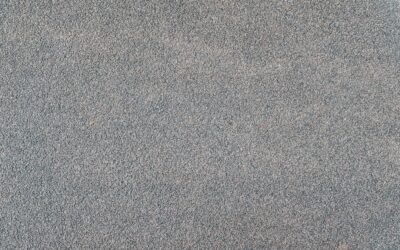
Commercial carpet is built to a different standard than the soft, plush products marketed for bedrooms. The fibers are denser and shorter, the backing is more rugged, and the overall construction resists crushing and matting under constant use. That toughness is the whole point: a hallway, conference room, or retail floor sees more traffic in a month than a guest bedroom sees in a year.
For homeowners, this matters in high-use zones like home offices, basements, playrooms, and rental properties. The trade-off is a firmer feel underfoot and a more utilitarian look, though modern commercial styles have closed much of the aesthetic gap. If longevity and easy maintenance top your priorities, the commercial category is worth considering.
Carpet Tile vs. Broadloom
Shaw’s commercial line splits into two main formats, and each has clear strengths. Understanding the difference is the first real decision you will make.
- Carpet tile (modular): square or plank-shaped tiles, commonly 18 or 24 inches, that install individually. Damaged tiles can be replaced one at a time, which is a major advantage in spaces prone to spills and wear.
- Broadloom: traditional rolled carpet, typically 12 feet wide, installed in large continuous sheets. It offers a seamless look and can be more economical to purchase per square foot, but repairs mean patching or replacing larger sections.
Carpet tile has become extremely popular for both commercial and residential use because of its repairability and easier handling. You can carry tiles up a flight of stairs without wrestling a heavy roll, and you can swap out a stained tile rather than re-carpeting a whole room. Broadloom still wins where a uniform, wall-to-wall appearance is the goal.
Understanding Durability Ratings
Commercial carpet is graded for performance, and learning the basics helps you match the product to the space. Manufacturers test for traffic level, often labeling products for moderate, heavy, or severe commercial traffic. A product rated for severe traffic is overkill in a home office but exactly right for a busy entryway.
Fiber type also drives durability. Most commercial carpet uses solution-dyed nylon or polyester, with solution-dyed nylon prized for its resilience and excellent resistance to stains and fading because the color runs all the way through the fiber. Look at the face weight and density too; a denser, tightly tufted carpet resists crushing and lasts longer. Always read the manufacturer’s traffic rating and warranty details rather than guessing from appearance.
Cost Expectations
Commercial carpet is often more affordable per square foot than premium residential plush, which surprises many buyers. As a general estimate, commercial carpet tile and broadloom frequently fall in the range of roughly $2 to $7 per square foot for the material, with high-performance or designer styles costing more. Treat any figure as an estimate and confirm current pricing for the specific product.
Installation adds to the total. Carpet tile is often less expensive to install because it requires no stretching and minimal seaming, and many tiles use a peel-and-stick or glue-down method. Broadloom installation involves stretching, padding, and seaming, which usually costs more in labor. Budget for adhesive, any subfloor prep, and removal of old flooring when comparing quotes.
Installation Methods
The installation approach depends heavily on the format you choose. Carpet tile is the more DIY-friendly option, while broadloom generally calls for a professional.
- Start with a clean, dry, level subfloor; commercial products are sensitive to moisture and irregularities.
- For carpet tile, dry-lay a center line and plan the layout so edge tiles are balanced and cuts are minimized.
- Apply the recommended adhesive or pressure-sensitive release adhesive, or use peel-and-stick tabs per the product instructions.
- Set tiles snugly without gaps, following any directional arrows printed on the backing for the intended pattern.
- For broadloom, install padding if required, then stretch and seam the carpet, a task best left to an experienced installer.
Moisture testing of the subfloor, especially in basements and on concrete slabs, is critical because trapped moisture can ruin the adhesive bond and promote mold. For broadloom or large commercial spaces, hiring a certified installer protects your investment.
Cleaning and Maintenance
Commercial carpet is designed to be easy to maintain, which is a big part of its appeal. Vacuum frequently in high-traffic areas to remove the grit that grinds down fibers, and address spills promptly by blotting rather than rubbing. Solution-dyed fibers resist staining well, but quick action still gives the best results.
Plan for periodic deep cleaning. Many commercial products respond well to low-moisture or hot-water extraction methods; check the manufacturer’s recommendations for the approved cleaning technique, since the wrong method can void a warranty. Entry mats at doorways trap dirt before it reaches the carpet and dramatically extend its life. With modular tile, keep a few spares on hand so you can swap out a damaged piece instantly.
Is It Right for Your Space?
For high-traffic areas where durability and easy repair matter more than plush softness, Shaw commercial carpet is a smart, long-lasting choice. The modular tile format in particular gives homeowners a practical, repairable floor for basements, offices, and rentals, while broadloom suits larger areas that need a seamless look.
Match the traffic rating and fiber to your actual use, confirm pricing and warranty terms for the specific style, and prep your subfloor properly. Do that, and you will have flooring engineered to keep performing long after standard residential carpet would have worn out. For demanding spaces, that durability is exactly what makes the commercial category worth the consideration.