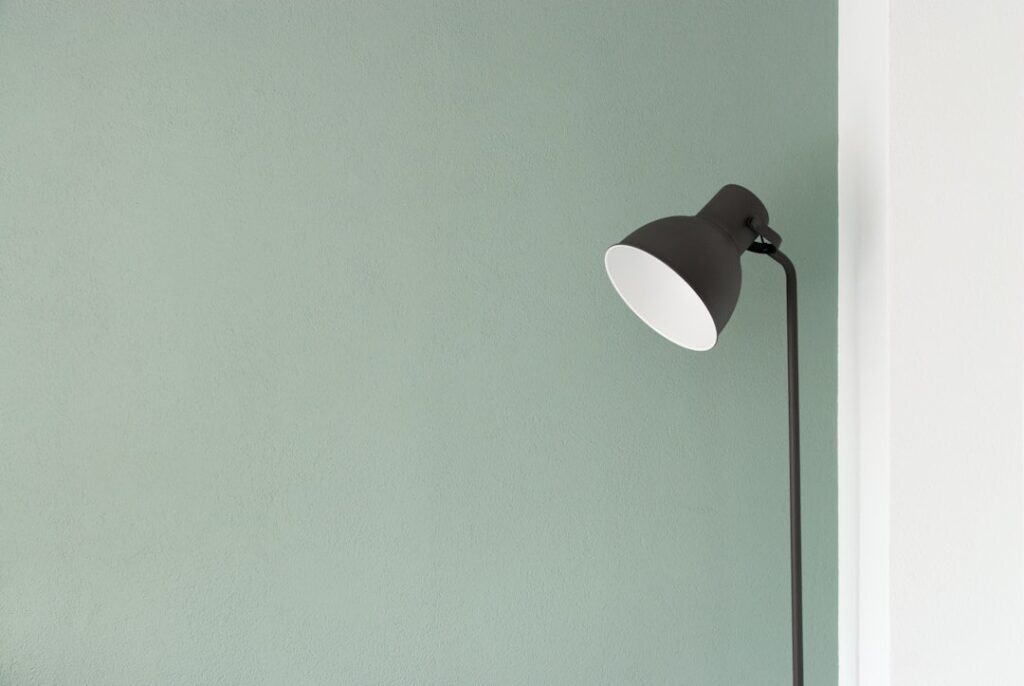
Good lighting is the difference between a workshop that is a pleasure to work in and one where you squint at every measurement. A shop floor lamp gives you bright, movable task lighting exactly where you need it, whether you are under a car, at a workbench, or finishing a project in a dim corner of the garage.
Unlike fixed overhead fixtures, a floor-standing shop lamp goes wherever the work is. Here is how to choose one that actually lights up the job and holds up to shop abuse.
What a Shop Floor Lamp Is
A shop floor lamp is a freestanding, heavy-duty work light designed for garages, workshops, job sites, and utility spaces. Where a household floor lamp aims for ambiance, a shop lamp aims for raw brightness and durability. Most stand on a stable base or tripod, use rugged housings, and throw a wide, powerful beam.
The category covers everything from simple single-head stands to adjustable dual-head work lights and tall tripod-mounted units. The common thread is portability and serious light output, so you can illuminate a work zone without permanent wiring or ladder work.
Types of Shop Floor Lamps
Several formats exist, each suited to different tasks and spaces.
- Tripod work lights: Tall, adjustable stands, often with one or two heads, that raise light high to flood a large area. Great for job sites and big garage projects.
- Single-head task stands: A focused beam on an adjustable pole, ideal for aiming light at a specific workpiece.
- Dual-head work lights: Two adjustable heads on a low or tall stand for broad, even coverage at a workbench.
- Rechargeable cordless lamps: Battery-powered units that go anywhere without an outlet, useful under cars or in spaces without power.
- Magnetic or hybrid units: Some stands double as handheld or magnetic lights that detach from the base.
For most home garages, an adjustable dual-head LED stand or a tripod work light covers the widest range of tasks.
Brightness: What to Look For
Lumens, not watts, tell you how bright a light actually is. Shop work demands far more output than household lighting, so do not undershoot.
- 1,000 to 3,000 lumens: Adequate for close task work at a bench.
- 3,000 to 6,000 lumens: A solid range for general garage and workshop lighting.
- 6,000 to 10,000+ lumens: Floods an entire two-car garage or job site with daylight-bright illumination.
Color temperature matters too. Look for around 4,000K to 5,000K, a neutral-to-cool white that renders colors accurately and reduces eye strain, which is important for detail work and color-matching. A high color rendering index (CRI of 80 or above) helps you see true colors, useful for painting and finishing.
LED vs. Older Lighting
Modern shop lamps are almost universally LED, and for good reason. LEDs draw a fraction of the power of old halogen or incandescent work lights, run far cooler, last tens of thousands of hours, and turn on instantly at full brightness even in cold weather.
Older halogen work lights got dangerously hot, a real burn and fire hazard in a shop full of sawdust and solvents, and burned out frequently. If you still have a halogen stand light, replacing it with an LED model is one of the easiest shop upgrades you can make. The energy savings and reduced heat alone justify the switch.
Features That Matter
Beyond brightness, a few features separate a good shop lamp from a frustrating one.
- Adjustability: Telescoping height and pivoting heads let you aim light precisely.
- Stable base: A wide, weighted base or sturdy tripod that will not tip when bumped.
- Durable housing: Impact-resistant and ideally rated for dust and water if you work outdoors.
- Power options: A long, heavy-gauge cord, or a rechargeable battery for cordless freedom.
- Dimming and modes: Variable brightness saves energy and reduces glare for finer work.
- Outlets on the unit: Some corded lamps include pass-through outlets to power tools.
For cordless models, check the runtime and whether it uses the same battery platform as your power tools, which lets you share batteries.
Safety Considerations
Shop lamps run on real electrical loads in environments full of dust, fumes, and traffic, so use them safely. Plug corded lights into a GFCI-protected outlet, especially in a garage or anywhere moisture is possible, and inspect cords for damage before use. Route cords so they are not a trip hazard or in danger of being cut by tools.
Keep lights, even cool-running LEDs, away from flammable solvents, sawdust piles, and rags. Make sure the stand is stable and will not tip onto a work surface. If you use a lamp outdoors or in damp conditions, choose one rated for wet locations. Always follow the manufacturer’s instructions for the wattage, mounting, and environment the lamp is designed for.
Choosing the Right Shop Floor Lamp
Start with the space and the task. For a full garage, a tall tripod or high-lumen dual-head stand floods the whole area. For detailed bench work, a focused, adjustable single-head lamp with good color rendering serves better. If you frequently work where there is no outlet, a rechargeable cordless model earns its keep, and choosing one that shares your existing tool battery platform saves money and hassle.
Think about positioning as much as the lamp itself. Light placed too low and aimed straight at the work creates harsh shadows and glare, while light raised high and angled down mimics daylight and softens shadows across the whole bench. For detail work like welding inspection, finishing, or fine assembly, two lights from different angles eliminate the shadow your own hands cast over the piece. Many homeowners pair a tall flood light for general coverage with a smaller aimed task light for whatever they are working on.
Prioritize LED for efficiency and safety, aim for enough lumens for your space, and choose a stable, adjustable design built to take knocks. A well-chosen shop floor lamp turns a dim, frustrating workspace into one where you can see every detail clearly, work faster, and avoid mistakes, and that improvement is well worth the modest investment.
Prefer to explore on your own?
See how new flooring looks in your actual room in seconds — free, no signup.
Try the free Floor Studio →