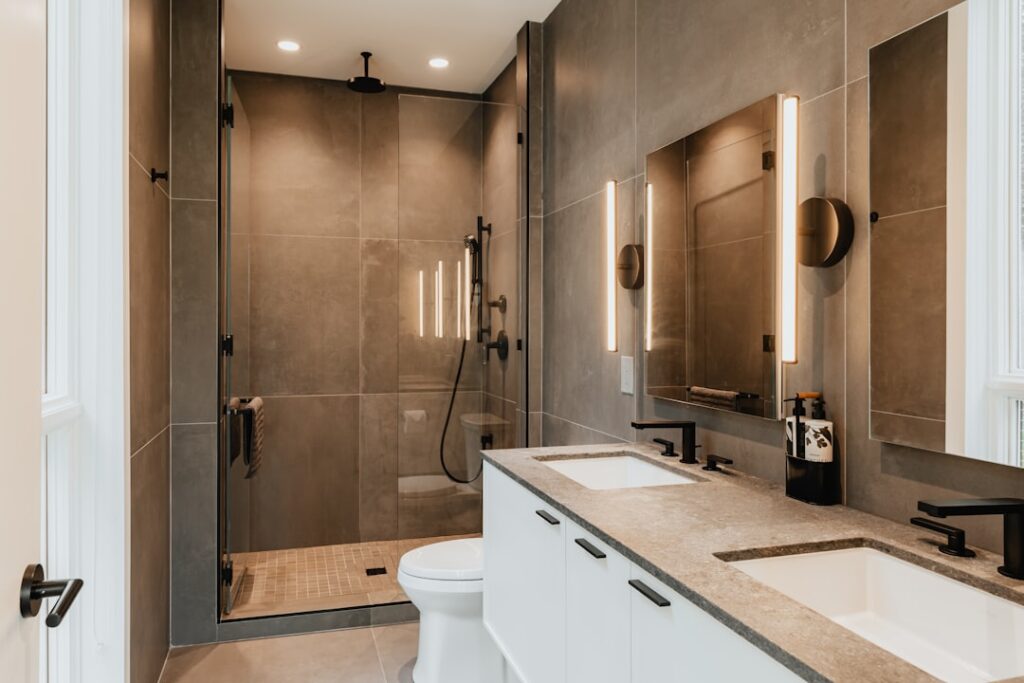
When a bathtub is cracked, stained, or simply dated, ripping it out feels expensive and disruptive. A shower tub liner offers a faster, lower-cost alternative: a custom-molded acrylic or PVC shell that drops over your existing tub or shower base and gives it a clean, glossy surface in a single day. Instead of demolition, you get a fresh fixture installed right on top of the old one.
Part of our Bathroom Remodeling & Flooring guide — explore the full guide →
This guide explains how liners work, what they cost, how they compare to refinishing and full replacement, and how to decide whether one is right for your bathroom.
What Is a Shower Tub Liner?
A tub liner is a sheet of acrylic or PVC, typically 1/8 to 1/4 inch thick, that is vacuum-formed to match the exact shape of a specific tub model. The installer bonds it to your old tub with adhesive and seals the edges with caulk. Shower walls can be covered the same way with matching wall surrounds, creating a fully renewed enclosure without removing tile or the tub itself.
Because each liner is molded to fit a particular brand and size, installers measure your tub or identify the model before ordering. A precise fit matters; gaps between the liner and the original tub can trap water and lead to problems later.
Liner vs. Refinishing vs. Replacement
Homeowners usually weigh three options when a tub looks tired. Each has a different cost, lifespan, and disruption level.
- Refinishing (reglazing): A coating is sprayed onto the existing surface. Cheapest at $350 to $600, but the finish typically lasts 5 to 10 years and can chip.
- Tub liner: A molded shell installs over the tub for roughly $700 to $2,500, often in one day. Lasts 10 to 20 years when installed well.
- Full replacement: Old tub and surround are demolished and replaced. Costs $1,500 to $6,000+ and takes several days, but fixes any underlying damage.
A liner sits in the middle. It costs more than reglazing but resists chipping better and goes in faster than a full remodel. The catch is that a liner hides problems rather than fixing them, so it is best for tubs that are cosmetically worn but structurally sound.
How Much Does a Tub Liner Cost?
A tub-only liner generally runs $700 to $1,500 installed. Adding matching wall panels pushes a full tub-and-shower system to $1,500 to $4,000 or more, depending on the size of the enclosure, the number of walls, and any accessories like soap shelves or grab bars.
Several factors move the price:
- Acrylic liners cost more than PVC but resist scratching and yellowing better.
- Custom or odd-size tubs may require special molds.
- Adding wall surrounds roughly doubles the material and labor.
- Regional labor rates vary by hundreds of dollars.
The Installation Process
Professional installation usually takes 4 to 8 hours for a tub, or a full day for a complete tub-and-wall system. The general sequence looks like this:
- The installer cleans and lightly abrades the old surface so adhesive bonds properly.
- Drain and overflow fittings are removed or adjusted.
- Adhesive or two-sided butyl tape is applied to the tub floor and walls.
- The molded liner is pressed into place and held until it sets.
- New drain and overflow gaskets are installed and all seams are caulked.
Most products recommend waiting 24 to 48 hours before using the tub so adhesive and caulk fully cure. Liners are almost always a professional job; the fit and sealing are too precise for typical DIY tools.
Pros of a Shower Tub Liner
Liners appeal to homeowners who want a quick refresh with minimal mess. The main advantages include:
- Speed: Most installs finish in a day, with no demolition dust or debris hauling.
- Lower cost than replacement: You skip plumbing changes, tile work, and tub disposal.
- Durable surface: Acrylic resists chips and stains better than a sprayed reglaze.
- Coordinated look: Matching wall panels create a seamless, easy-to-clean enclosure.
Cons and Common Problems
Liners are not a cure-all, and a poor installation can cause headaches. Be aware of these drawbacks:
- Trapped water: If the seal fails, water can seep between the liner and the old tub, breeding mold and mildew you cannot see.
- Hollow feel: Some liners flex or sound hollow underfoot if not fully bedded in adhesive.
- Hidden damage stays hidden: A liner covers cracks but does not repair a rotting subfloor or a leaking drain.
- Hard to remove: Taking a liner out later is messy and may damage the original tub.
If your tub already leaks, the floor feels soft, or there is visible water damage around the base, a liner is the wrong choice. Address those issues with a proper replacement instead.
Maintenance and Lifespan
A quality acrylic liner can last 10 to 20 years with simple care. Clean it with a non-abrasive bathroom cleaner and a soft cloth; avoid scouring powders and stiff brushes that can scratch the surface. Inspect the caulk lines every few months and re-caulk at the first sign of cracking or gaps, since intact seals are what keep water out from behind the liner.
Watch for warning signs that the seal is failing: a musty smell, soft or spongy spots, or discoloration creeping along the seams. Catching these early lets you re-seal before water damage spreads. It also helps to squeegee or towel-dry the liner after long soaks and to run the bathroom exhaust fan, since reducing standing moisture slows the growth of any mold that finds its way behind the shell.
Avoid dropping heavy objects on the liner floor, which can crack thinner acrylic, and keep bath mats with suction cups to a minimum, since aggressive suction can stress the bond over years of use.
Is a Tub Liner Right for You?
Choose a liner when your tub is sound but ugly, you want to avoid days of demolition, and your budget sits between a cheap reglaze and a full remodel. Skip it if the tub leaks, the surrounding floor is damaged, or you plan to change the layout of the bathroom. For the right situation, a well-installed shower tub liner delivers a fresh, durable surface in a single day and can make a tired bathroom feel new for a decade or more.