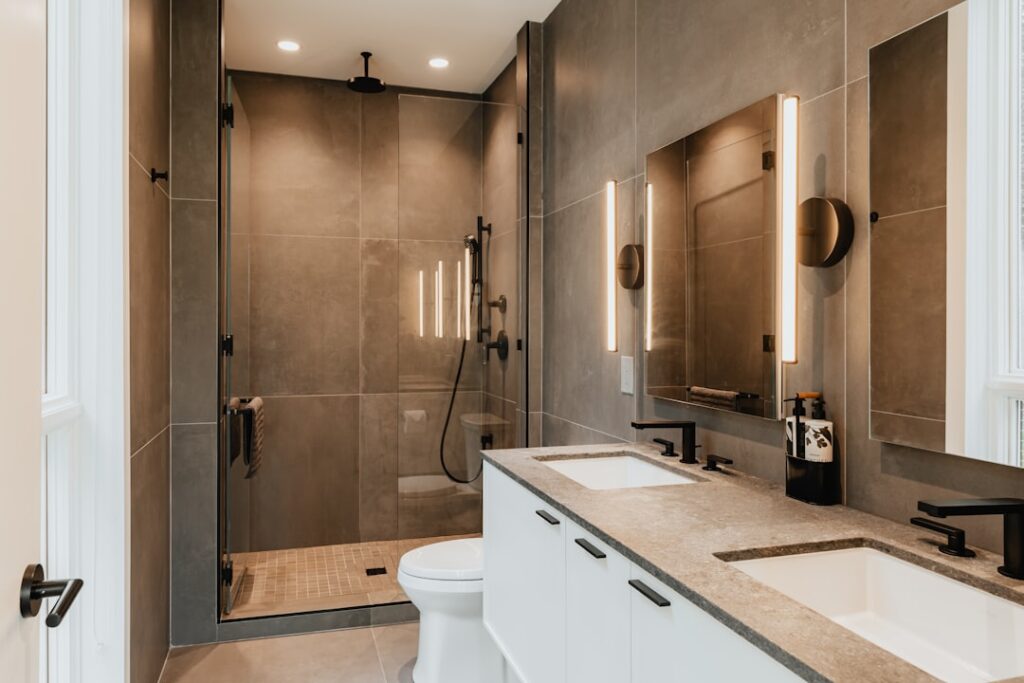
The valve hidden behind your shower wall does far more than turn the water on, it blends hot and cold, controls flow, and protects you from sudden scalding. Understanding shower valve plumbing helps you choose the right valve for a remodel, troubleshoot temperature problems, and talk knowledgeably with a plumber. This guide breaks down the valve types, the rough-in basics, and the safety features that matter most.
What a Shower Valve Does
A shower valve is the heart of your shower’s plumbing. It receives hot and cold supply lines, mixes them to your desired temperature, and directs the water to the showerhead, tub spout, or other outlets. The handle you turn on the wall is connected to a cartridge or mechanism inside that does the actual mixing.
Because it controls both temperature and pressure, the valve is also your first line of defense against scalding and uncomfortable temperature swings. The type you have determines how well it handles those jobs.
The Main Types of Shower Valves
There are four common configurations, and knowing the difference is essential before buying or replacing one.
Pressure-Balance Valves
Also called anti-scald or mechanical valves, these are the most common in modern homes. A pressure-balance valve monitors the pressure of the incoming hot and cold water and adjusts to keep the ratio steady. If someone flushes a toilet and cold pressure drops, the valve reduces hot flow to prevent a scalding spike. It controls a balanced pressure but does not lock temperature to a precise degree.
Thermostatic Valves
A thermostatic valve maintains a precise, preset water temperature regardless of pressure or supply fluctuations. It uses a temperature-sensitive element to hold your chosen temperature within a couple of degrees, even if water demand changes elsewhere in the house. These valves often have separate controls for temperature and volume, letting you adjust flow without resetting the temperature. They cost more but offer the best comfort and safety.
Diverter and Transfer Valves
These don’t mix water, they route it. A diverter sends water between the tub spout and showerhead, while a transfer valve splits flow among multiple outlets like a showerhead and body sprays at the same time. Many modern systems combine a mixing valve with built-in diverter functions.
Pressure-Balance vs. Thermostatic: Which to Choose
For most bathrooms, a pressure-balance valve offers solid anti-scald protection at a reasonable price and is widely required by plumbing codes. Choose a thermostatic valve if you want precise temperature control, are building a luxury shower with multiple outlets, or have inconsistent water pressure in your home. Here’s a quick comparison:
- Pressure-balance: Affordable, code-compliant, protects against pressure-driven temperature spikes; temperature can drift slightly with major supply changes.
- Thermostatic: Holds an exact temperature, ideal for multi-spray systems and homes with fluctuating supply; higher cost and more complex installation.
Understanding the Rough-In
The “rough-in” is the in-wall plumbing installed before the finished wall and trim go on. It includes the valve body, the hot and cold supply connections, and the outlet to the shower. Getting the rough-in right is critical because mistakes are buried behind tile and expensive to fix.
A few rough-in fundamentals to keep in mind:
- Valve height: Shower valves are typically set around 38 to 48 inches above the floor, depending on user preference and whether it’s a shower or tub-shower combo.
- Hot on the left, cold on the right: Standard convention places hot supply on the left and cold on the right.
- Plumb and level: The valve body must sit straight and at the correct depth so the finished trim fits flush against the wall.
- Match the trim: Valve bodies and trim kits must be compatible, usually from the same manufacturer and series.
Many manufacturers sell the valve body and trim separately, so confirm they’re a matched set before you buy.
The Cartridge: The Wear Part
Inside most modern shower valves is a replaceable cartridge that controls the mixing and flow. Cartridges are the component most likely to wear out, and they’re the usual culprit behind common shower complaints. Symptoms of a failing cartridge include:
- Dripping that won’t stop even when the handle is off.
- Difficulty getting or holding the right temperature.
- Reduced or erratic water flow.
- A handle that feels loose or hard to turn.
The good news is that replacing a cartridge is often a manageable repair that costs a fraction of replacing the whole valve. Always shut off the water supply first, and match the replacement cartridge exactly to your valve model.
Anti-Scald Protection and Safety
Scalding is a genuine hazard, especially for children and older adults, since water at 140°F can cause a serious burn in seconds. Modern plumbing codes require anti-scald protection on shower valves for this reason. Pressure-balance and thermostatic valves both provide it, and many include an adjustable high-temperature limit stop you can set to cap the maximum water temperature, often recommended at or below 120°F.
If you have an older home with a simple two-handle valve that lacks anti-scald protection, upgrading to a pressure-balance or thermostatic valve is a worthwhile safety improvement.
Single-Handle vs. Two-Handle Valves
Beyond the internal mechanism, valves differ in how you operate them. A single-handle valve controls both temperature and flow with one lever, which is intuitive and the most common modern setup. Most single-handle showers use a pressure-balance cartridge, giving you anti-scald protection in a simple package.
Two-handle valves use separate hot and cold controls, while three-handle setups add a diverter for tub-shower combos. Older two- and three-handle valves often lack anti-scald protection, which is why many homeowners upgrade them during a remodel. If you’re choosing new, a single-handle pressure-balance or thermostatic valve usually offers the best mix of convenience and safety.
When to Call a Plumber
Swapping a cartridge or trim is within reach for a handy homeowner. But installing a new valve body, especially behind tile, soldering copper, or relocating supply lines, is best left to a licensed plumber. Mistakes inside the wall can lead to leaks that damage framing and breed mold long before you notice.
Whether you’re remodeling or just troubleshooting a drip, understanding shower valve plumbing puts you in control. Know your valve type, respect the rough-in, keep an eye on the cartridge, and never skip anti-scald protection, and your shower will deliver safe, comfortable water for years.