Damaged siding and rotting fascia are more than an eyesore; they are an open door for water and pests to reach your home’s structure. Timely siding and fascia repair stops small problems from becoming expensive ones, protecting the framing, sheathing, and roof edge behind them. The work ranges from a simple board swap to jobs that genuinely belong to a contractor, and knowing which is which keeps you safe and saves money.
Understand the Two Components
Siding is the exterior cladding that covers and protects your walls, available in vinyl, wood, fiber cement, aluminum, and engineered wood. Fascia is the horizontal board running along the roof’s edge, where the gutters typically attach, capping the ends of the rafters. Both shield the structure from weather, and both fail in similar ways when water gets behind them.
Because fascia sits at the roofline and ties into the gutters, its condition is closely linked to drainage. Clogged or failing gutters are a leading cause of fascia rot.
Spotting Damage Early
Catching problems early is the difference between a cheap fix and a structural repair. Walk your home’s exterior a couple of times a year and look for warning signs.
- Rot: Soft, spongy, or crumbling wood, especially on fascia near gutters.
- Cracks and holes: In vinyl or fiber cement, often from impact or age.
- Warping or buckling: Siding pulling away from the wall.
- Peeling paint and stains: Often the first hint of moisture underneath.
- Gaps and loose boards: Where caulk has failed or fasteners have backed out.
- Pest activity: Insects or animals nesting behind loose siding.
Pay special attention after storms and around penetrations like vents, windows, and downspouts.
Common Repair Scenarios
Most repairs fall into a few buckets. Replacing a cracked vinyl siding panel is achievable for a handy homeowner using a zip tool to unlock the courses. Swapping a single rotted fascia board involves removing the gutter section, prying off the bad board, and installing a new one cut to match. Filling small holes and re-caulking failed seams is straightforward maintenance.
The repairs that escalate are widespread rot, damage that has reached the sheathing or framing behind the cladding, and anything high on a multi-story wall or steep roofline. Those call for more skill, more equipment, and often a professional.
Choosing Repair Materials
Match the replacement to the existing material for the best result. Vinyl panels come in many profiles and colors, though matching aged, sun-faded siding exactly can be difficult. Wood fascia and trim are traditional but need priming and painting on all sides to resist rot. Fiber cement and PVC trim boards resist moisture and insects well, making them popular upgrades for fascia in particular.
Whatever you choose, prime and paint or seal cut edges, use corrosion-resistant fasteners, and re-caulk joints properly. The goal is to keep water out, so the weather-sealing details matter as much as the board itself.
Ladder and Height Safety Comes First
Most siding and fascia work happens off the ground, and falls are the real danger of this project. Take height safety seriously before you ever pick up a tool.
- Use a sturdy ladder rated for your weight plus tools, set on firm, level ground.
- Follow the 4-to-1 angle rule: one foot of base out for every four feet of height.
- Maintain three points of contact and never overreach; move the ladder instead.
- Have a helper steady the ladder and hand up materials.
- Avoid working at height in wind, rain, or on ice, and stay clear of power lines.
If the work requires extended time on a tall ladder or near the roof edge, consider scaffolding or hiring a pro. No repair is worth a serious fall.
When to DIY and When to Call a Pro
Be realistic about scope and access. Reasonable DIY jobs include replacing a panel or two of vinyl, swapping an accessible low fascia board, and sealing minor gaps, provided you can do it safely. Call a professional when there is extensive rot, suspected structural or sheathing damage, work high on a two-story wall, steep or complex rooflines, or when you are not confident working at height.
A contractor also brings the right tools, can match materials, and carries insurance for ladder and roof work. Spending on a pro for the risky portions is often cheaper than fixing a botched repair or a fall injury.
Prevent the Next Repair
Once repaired, a little maintenance prevents repeats. Keep gutters clean and flowing so water does not back up against the fascia. Re-caulk and touch up paint before failures spread. Trim back vegetation that traps moisture against the siding, and inspect after major storms. Addressing siding and fascia repair promptly, and maintaining the fixes, keeps your home’s exterior shell doing its job: keeping water and pests out of the structure.
Tools and Materials You’ll Need
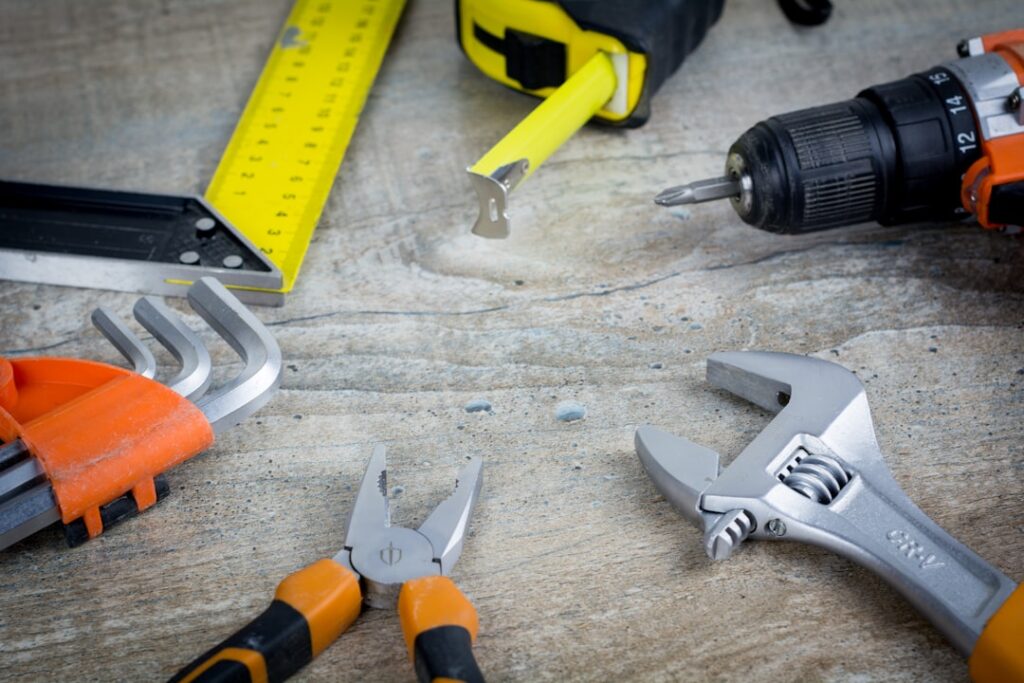
Having the right gear on hand makes a siding or fascia repair go smoothly and safely. For most jobs you will want a basic kit before you start.
- A sturdy, properly rated ladder, and a helper to steady it
- A zip tool for unlocking vinyl siding courses
- Pry bar, hammer, and a cordless drill or driver
- Utility knife and a circular or hand saw for cutting boards to length
- Corrosion-resistant nails or screws to match the existing fasteners
- Exterior-grade caulk, primer, and paint for wood components
- Safety glasses, gloves, and a dust mask for cutting
Buying a little extra siding or trim material accounts for cutting mistakes and gives you spare matching pieces for future repairs.
Don’t Ignore What’s Behind the Surface
The most important rule of any exterior repair is to look behind the damaged piece before you close it up. When you remove a rotted fascia board or a damaged siding panel, inspect the sheathing, framing, and any house wrap or flashing underneath. Water that ruined the outer board has often reached the layers behind it.
If you find soft or rotted sheathing, active leaks, or compromised flashing, address those before installing the new exterior piece. Covering hidden damage just traps moisture and guarantees the problem returns, often worse. A small repair that reveals deeper trouble is exactly the moment to slow down, fix the root cause, and, if the damage is extensive, bring in a professional rather than sealing a structural issue inside the wall.