
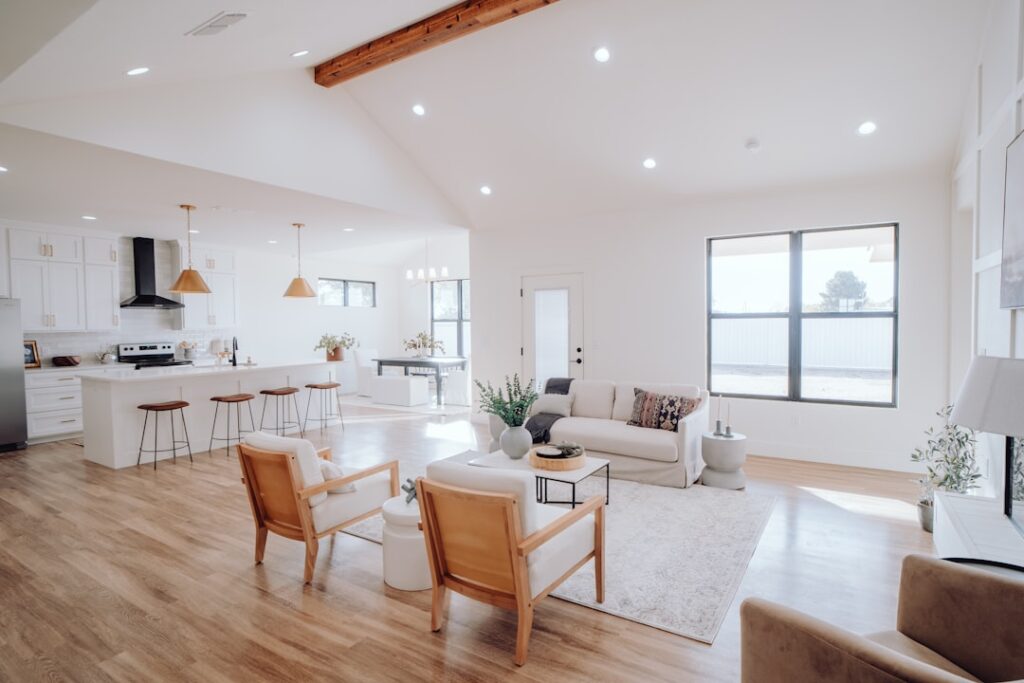
When shoppers search for siena flooring, they are usually chasing one of two things: a specific product line carrying the Siena name, or the warm, sun-baked Tuscan terracotta aesthetic that the word “Siena” evokes. Because “Siena” gets used as a style descriptor, a color name, and a brand-style label across tile, luxury vinyl, and wood-look products, you need a clear strategy to evaluate siena flooring before you spend a dime. This guide walks you through what the name actually means, how to verify any brand claim, and the specs that separate a quality floor from a marketing label.
What “Siena” Means in Flooring
Siena is a hill town in Tuscany, Italy, famous for its burnt-orange “burnt sienna” pigment derived from iron-oxide-rich clay. In flooring, the name signals a palette: warm terracotta, rust, amber, ochre, and earthy brown tones that read Mediterranean or rustic. You will find the label applied to porcelain and ceramic tile collections, to luxury vinyl plank (LVP) with wood or stone visuals, and occasionally to engineered hardwood stains.
Treat the name as a style cue first. A “Siena” porcelain tile and a “Siena” vinyl plank can come from completely different manufacturers with vastly different performance. Never assume two products share quality just because they share the color story.
Pros of Siena-Style Flooring
- Warm, timeless aesthetic. Earth tones hide dust and minor scuffs better than stark grays or pure whites, which is useful in high-traffic entryways and kitchens.
- Versatile material options. The look is available in waterproof porcelain, scratch-resistant LVP, and natural hardwood, so you can match the visual to your budget and room.
- Pairs with many design styles. Tuscan, farmhouse, Southwestern, and transitional interiors all accept the palette.
- Resale-friendly neutrality. Warm browns and terracottas are less polarizing than trend-driven cool grays that can date a home.
Cons and Cautions
- Brand ambiguity. Because “Siena” is a common collection name, you can be misled by inconsistent quality between sellers.
- Color matching across lots. Terracotta and amber tones show dye-lot variation; order from one batch and buy 10 to 15 percent overage.
- Warm tones can darken a room. In north-facing or low-light spaces, deep ochres and rusts may feel heavy without good lighting.
- Authentic terracotta tile is porous. Real fired-clay terracotta needs sealing; many “Siena” porcelains only mimic the look and skip that maintenance, so know which you are buying.
The Specs That Actually Matter
Ignore the name for a moment and grade any candidate floor on hard numbers. For luxury vinyl, the wear layer is the single most important figure. Residential LVP typically carries a 6 to 12 mil wear layer; for busy households or light commercial use, look for 20 mil or greater. Overall plank thickness of 5mm to 8mm with an attached pad improves comfort and sound.
For tile, check the PEI rating (Porcelain Enamel Institute). PEI 3 suits most residential floors, while PEI 4 to 5 handles heavy traffic and entryways. Confirm the dynamic coefficient of friction (DCOF) is 0.42 or higher for wet-area slip resistance, the threshold referenced in ANSI A137.1. For hardwood, evaluate the wood species’ Janka hardness, the finish type, and whether it is solid or engineered.
Warranty Reality Check
A 25-year or “lifetime” residential warranty sounds reassuring, but read the conditions. Most cover manufacturing defects and finish wear-through only, not scratches, dents, water damage from flooding, or improper installation. A waterproof claim on LVP usually means the core will not swell, not that water trapped underneath cannot cause mold. Keep your receipt and installation records, because warranties almost always require proof of professional or correct DIY installation.
How to Verify a Brand Through Official Sources
Marketing photos lie; spec sheets do not. Before committing to any siena flooring product, take these steps:
- Find the manufacturer’s official spec sheet. Reputable brands publish wear layer, thickness, warranty, and test ratings as a downloadable PDF. If a seller cannot produce one, walk away.
- Check independent certifications. Look for FloorScore (low VOC emissions) and, for tile, compliance with ANSI A137.1. These come from third-party labs, not the brand’s own claims.
- Order physical samples. View them in your actual room at different times of day. Terracotta and amber shift dramatically between cool morning light and warm afternoon sun.
- Cross-check seller reviews. Search the exact collection name plus “review” and “problems” to surface real-world issues like beveling gaps, gloss inconsistency, or fading.
What You Should Expect to Pay
Pricing varies by material, not by the Siena name. For budgeting, here are realistic 2026 ranges for the flooring itself, before installation:
- Luxury vinyl plank (Siena wood/stone looks): roughly $2.50 to $5.50 per square foot for mid-grade, $5 to $8 for thick-wear-layer premium lines.
- Porcelain tile: about $3 to $10 per square foot, with handmade or large-format terracotta looks at the high end.
- Engineered hardwood in warm stains: roughly $5 to $12 per square foot.
- Authentic fired-clay terracotta: $6 to $15 per square foot plus sealing labor.
Professional installation typically adds $2 to $7 per square foot for vinyl and $7 to $14 for tile, depending on layout complexity and subfloor prep. Get itemized quotes so you can compare material against labor.
Best Rooms and Use Cases
Warm-toned waterproof LVP and porcelain shine in kitchens, mudrooms, and bathrooms where you want the Tuscan look without water worry. Engineered hardwood in a sienna stain works beautifully in living rooms and bedrooms. Reserve true terracotta for sunrooms, patios, and Mediterranean-style kitchens where you are prepared to seal and re-seal on a schedule. In small or dim rooms, choose the lighter end of the palette and add layered lighting to keep the space from feeling closed in.
Final Buying Advice
The smart way to shop siena flooring is to fall in love with the look but commit only to the specs. Decide which material fits your room and budget, then demand the manufacturer’s documentation: wear layer or PEI rating, thickness, warranty terms, and FloorScore certification. Order samples, view them in your own light, and buy enough overage to dodge dye-lot mismatches. Do that, and the warm Tuscan floor you picture will also be a floor that holds up for the decade you plan to live on it.
Prefer to explore on your own?
See how new flooring looks in your actual room in seconds — free, no signup.
Try the free Floor Studio →

