A sisal rug 9×12 is one of the most practical natural-fiber choices you can make for a living room or dining room, and it is the size I recommend most often when a client wants that clean, textured, coastal-to-modern look. At nine feet by twelve feet, it covers enough floor to anchor a full seating group or slide under a six-seat dining table with room to spare.
In this guide I will walk you through why the 9×12 dimension works, how sisal compares to jute and seagrass, what it costs, the real limits on cleaning, and the pad that will save your floor and your investment.
Why the 9×12 Size Works So Well
Nine by twelve is the workhorse area-rug dimension for standard rooms. In a living room, it lets you set all four legs of a sofa and chairs on the rug, or at minimum the front legs, which visually ties the space together. For a dining room, a 9×12 keeps chairs on the rug even when pulled out, so you avoid that annoying tip-back off the edge.
As a rule of thumb, leave 12 to 18 inches of bare floor between the rug edge and the wall. A 9×12 suits rooms roughly 11 by 14 feet up to 13 by 16 feet. Measure your space before you commit, because a rug that runs too close to the baseboards makes a room feel smaller.
Sisal vs. Jute vs. Seagrass
All three are natural plant fibers, but they behave differently underfoot and in daily use. Knowing the distinctions helps you pick the right material for how your room actually gets used.
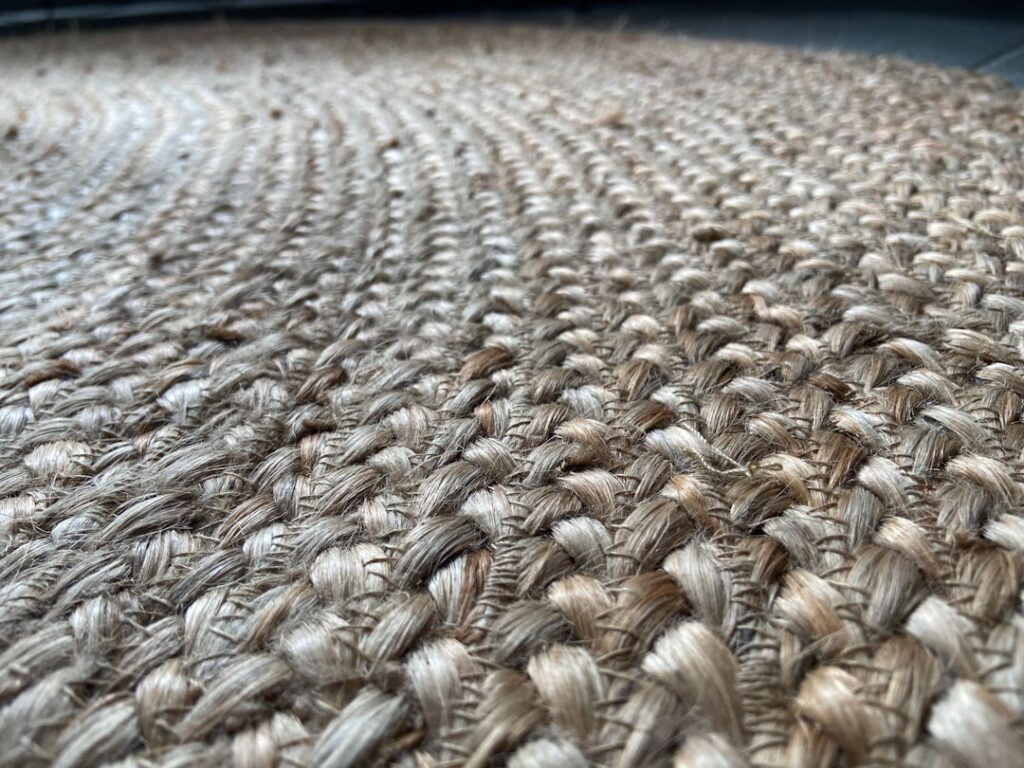
- Sisal: Made from agave leaves, it is the most durable and hard-wearing of the three. It has a firm, slightly coarse hand and takes a subtle dye well. Best for high-traffic living rooms, hallways, and stairs.
- Jute: Softer and more affordable, jute comes from a plant stalk and feels gentler barefoot. It is less durable and better suited to bedrooms or low-traffic spaces.
- Seagrass: Nearly nonporous with a smooth, almost waxy surface, seagrass resists stains better but will not accept dye, so color options are limited to natural greens and tans.
For a 9×12 in a busy family room, sisal wins on longevity. If barefoot softness is the priority and traffic is light, jute is worth considering.
Durability and What to Expect
Sisal is tough. A quality sisal rug can hold up for 10 to 15 years in a moderately trafficked room. The tight weave resists crushing, so furniture indentations recover better than they do on wool or synthetic pile. That firmness is exactly why it handles chairs sliding in and out at a dining table.
The trade-off is that sisal is not plush. It has a natural texture that some people love and others find too firm underfoot. It also expands and contracts with humidity, so in very damp or very dry climates you may notice slight buckling or shrinkage. Keep indoor humidity in a reasonable 40 to 55 percent range and the fibers stay stable.
The Cleaning Limits You Must Respect
Here is the single most important thing to understand about sisal: it hates water. Sisal is highly absorbent and prone to water stains, ring marks, and shrinkage if you soak it. That rules out steam cleaning and wet shampooing entirely.
Instead, treat spills fast and dry:
- Blot liquids immediately with a clean white cloth. Never rub, which pushes the spill deeper.
- For solids, scrape gently with a dull edge and vacuum up the residue.
- Vacuum regularly with a suction-only setting or without a beater bar to lift grit that would otherwise cut the fibers.
- For a set stain, use a barely damp cloth with a tiny amount of mild soap, then dry the spot fast with a hair dryer or fan to prevent a water ring.
Because deep cleaning is so limited, I steer clients away from sisal in dining rooms where red wine or sauce spills are frequent, unless they choose a version with a stain-resistant treatment.
Price Ranges for a Sisal Rug 9×12
A sisal rug 9×12 typically costs $200 to $800 depending on weave quality, border finish, and brand. Here is roughly how the tiers break down:
- Entry level: $200 to $350 for machine-woven sisal with a basic serged or cotton border.
- Mid range: $350 to $600 for tighter weaves, faux-leather or wide fabric binding, and better backing.
- Premium: $600 to $800-plus for custom-bound, heavier-gauge sisal or wool-sisal blends.
Wool-sisal blends cost more but feel softer and clean a little more forgivingly, which can be a smart compromise for a family room.
Why a Rug Pad Is Non-Negotiable
Natural fiber rugs slide on hard floors and their stiff backing can scratch hardwood, so a pad is essential rather than optional. For a 9×12 sisal rug, buy a pad cut to about 8 feet 6 inches by 11 feet 6 inches, roughly an inch smaller on each side so it hides under the edges.
Choose a felt-and-rubber combination pad, ideally 1/4 to 3/8 inch thick. The felt adds cushion the firm sisal lacks, and the natural rubber grips without the chemical off-gassing or floor discoloration that cheap PVC waffle pads can cause. Expect to spend $50 to $120 on a good pad in this size. It extends the rug’s life, protects your floor, and makes the whole thing feel better underfoot.
Styling a 9×12 Sisal in Your Space
Part of the appeal of sisal is how easily it layers with other textures. Because the neutral tan or wheat color is so versatile, you can put a smaller patterned or wool rug on top of the sisal to add softness and color while the sisal grounds the arrangement and protects the floor underneath. This layered look has been popular in coastal and transitional interiors for years, and a 9×12 base gives you plenty of room to center a 5×8 accent rug on top.
For furniture placement, aim to keep the rug proportional to the seating group. In a living room, a sofa against the wall should sit with at least its front legs on the rug, and any facing chairs ideally get their front legs on it too, which pulls the whole conversation area together. In a dining room, measure your table and add 24 inches on every side for chair clearance; a 9×12 comfortably handles most rectangular tables that seat six to eight.
Border choice also shapes the look. A wide fabric or faux-leather binding reads more tailored and modern, while a simple serged edge keeps things casual. If you have young kids or pets, a darker border hides scuffs at the vulnerable edges better than a pale one.
Is a 9×12 Sisal Right for Your Room?
If you want a durable, textured, natural-looking rug for a living or dining room and you are willing to respect the no-water cleaning rule, a sisal rug 9×12 is an excellent choice. It brings warmth and a relaxed, organic look that pairs with nearly any decor style, from farmhouse to modern minimalist.
Skip it if your household means constant spills, pets with accidents, or a craving for plush softness underfoot. In those cases, a stain-treated seagrass or a synthetic rug that mimics natural fiber will serve you better. But for the right room, sisal delivers years of hard-wearing style at a fair price.