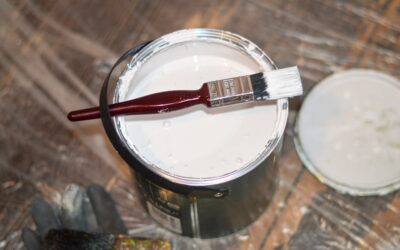
Figuring out how long to let paint dry between coats is the difference between a smooth, professional-looking finish and a streaky, peeling mess. As a general rule, water-based latex paint needs about 1 to 4 hours between coats, while oil-based paint requires a much longer 6 to 24 hours. Rushing the recoat is one of the most common painting mistakes, because applying a second coat before the first has set can pull up the underlying paint, create roller marks, and trap moisture that leads to peeling down the road.
Part of our Paint & Walls guide — explore the full guide →
At D and G Flooring we know that quality finishes, whether on floors, trim, or walls, come down to patience and proper technique. This guide breaks down dry times by paint type and explains the environmental factors that can speed up or slow down the process.
Dry to the Touch vs Recoat Time vs Fully Cured
First, understand the three different stages of drying, because they are not the same thing:
- Dry to the touch: The surface feels dry and is no longer tacky, often within 30 minutes to a couple of hours. This does not mean it is ready to recoat.
- Recoat time: The point at which the paint has set enough to accept a second coat without damage. This is the number that matters most for your project.
- Fully cured: The paint has reached maximum hardness and durability, which can take anywhere from a few days to a full 30 days depending on the product. Until cured, the finish is more vulnerable to scuffs and cleaning.
Always go by the recoat time, not just whether the surface feels dry.
Dry Times by Paint Type
Latex and Water-Based Paint
The most common choice for interior walls, latex paint dries quickly. It is typically dry to the touch within 30 minutes to 1 hour and ready to recoat in 1 to 4 hours under good conditions. This fast turnaround is a big reason latex dominates home interiors.
Oil-Based Paint
Oil paint, prized for its durability and smooth leveling on trim and cabinets, dries much more slowly. It is usually dry to the touch in 6 to 8 hours and should not be recoated for a full 24 hours. Rushing oil-based paint is especially risky because the surface can skin over while remaining soft underneath.
Chalk Paint
Popular for furniture, chalk paint dries fast, often ready to recoat within 1 to 2 hours, though it benefits from a protective wax or topcoat afterward.
Primer
Most primers are ready to paint over within 1 to 4 hours, but always check the label, since some bonding and stain-blocking primers have specific requirements.
Always Check the Manufacturer’s Label
The single most reliable source for dry time is the paint can itself. Manufacturers test their specific formulas and print recommended recoat times right on the label. Formulations vary, and a premium paint may behave differently than a budget one. Treat the printed recoat window as your baseline and adjust for the conditions in your room. When the label and a general rule of thumb disagree, follow the label.
How Environment Affects Drying Time
The numbers above assume ideal conditions of roughly 70 degrees Fahrenheit and 50 percent humidity. Real rooms vary, and several factors can dramatically change dry times.
Humidity
High humidity is the biggest enemy of fast drying, especially for water-based paint, because the water in the paint evaporates more slowly when the air is already moist. In humid conditions, double your expected dry time and consider running a dehumidifier or air conditioner.
Temperature
Cooler temperatures slow drying significantly, while warmth speeds it up. Most paints perform best between 50 and 85 degrees Fahrenheit. Painting in a cold garage in winter can stretch dry times far beyond the label estimate.
Ventilation and Airflow
Good air circulation carries away evaporating moisture and solvents, helping paint dry faster and more evenly. Open windows and run fans to keep air moving, but avoid blowing dust onto a wet surface.
Coat Thickness
Thick coats take much longer to dry and are more likely to run, sag, and cure unevenly. Two thin coats almost always look better and dry more predictably than one heavy coat.
Signs the Paint Is Ready for the Next Coat
- The surface is completely dry to the touch with no tackiness anywhere.
- It does not feel cool or damp when you place your hand near it.
- Lightly pressing in an inconspicuous spot leaves no fingerprint or mark.
- The recommended recoat time on the label has fully elapsed.
- The color looks uniform, since drying latex often lightens as it sets.
What Happens If You Recoat Too Soon
Applying the next coat before the first is ready causes a range of problems. The roller or brush can drag and lift the still-soft paint, leaving streaks and uneven texture. Trapped moisture beneath a sealed top coat can lead to bubbling, blistering, and premature peeling. The finish may stay tacky far longer than it should and never reach proper hardness. In short, impatience here ruins the very smoothness you are trying to achieve, so waiting the full recoat time is always worth it.
Tips for the Best Multi-Coat Finish
- Apply thin, even coats rather than thick ones for faster, more reliable drying.
- Maintain a comfortable room temperature and moderate humidity throughout the project.
- Use fans and open windows to keep air circulating.
- Plan your project around dry times so you are not tempted to rush.
- Lightly sand between coats on trim and cabinets for a glass-smooth result, once the coat is fully dry.
- Wait the full cure time before washing or scrubbing the painted surface.
Common Mistakes to Avoid
- Going by dry-to-the-touch instead of the recoat time.
- Ignoring high humidity and cool temperatures that extend drying.
- Applying heavy coats to finish faster, which backfires.
- Skipping the label instructions in favor of a generic rule.
- Cleaning or placing items against the surface before it has fully cured.
Final Thoughts
Knowing how long to let paint dry between coats is mostly about respecting the recoat window: roughly 1 to 4 hours for latex and 6 to 24 hours for oil-based paint, always confirmed against the can’s label. Account for humidity, temperature, and airflow, apply thin coats, and resist the urge to rush. A little patience between coats rewards you with a durable, even, professional-quality finish that holds up for years.