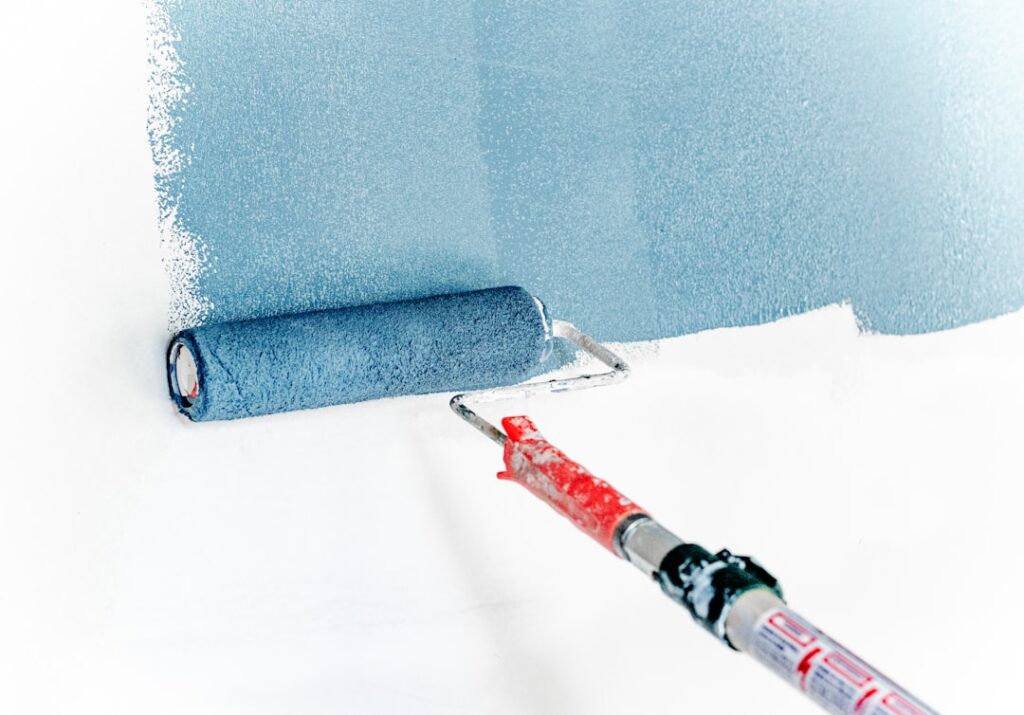
Life interrupts paint jobs all the time. You roll on the first coat, then a rainstorm, a work trip, or a screaming toddler pushes the second coat to next week, and now you’re wondering about the maximum time between coats of paint before you ruin the finish. The good news: for most modern latex paints there’s no hard ceiling, and you can recoat weeks or even months later with proper prep. The bad news: oil-based paints and some primers do have a real window, and blowing past it causes peeling, poor adhesion, and a job you’ll redo. Here’s exactly how long you can wait and what to do when you wait too long.
The Short Answer by Paint Type
Recoat behavior depends almost entirely on the type of paint in the can. Here’s how the common products stack up:
- Latex/acrylic (water-based): Minimum recoat is usually 2 to 4 hours. The maximum is effectively open-ended. You can add a second coat a month later with light prep.
- Oil-based/alkyd: Recoat window is tighter. Wait the minimum (often 16 to 24 hours), but don’t let it fully cure for many days before the next coat, or adhesion drops. Sanding becomes mandatory after roughly 48 to 72 hours.
- Latex primer: Topcoat within about 30 days for best bond, though many hold up longer.
- Oil-based/shellac primer: Recoat within the manufacturer’s window, commonly 24 hours to a couple of weeks; some chalk if left exposed too long.
The rule that never fails: read the label. Every can lists a “recoat after” time and, for oil products, an implied upper limit. When in doubt, follow the manufacturer, because their chemists tested that exact formula.
Why Latex Gives You So Much Leeway
Water-based latex and acrylic paints dry by evaporation and coalescence — the water leaves and the acrylic particles knit together into a film. Even after that film forms, a fresh coat of the same latex will bond to it mechanically and chemically without much fuss. That’s why you can prime a room, get pulled away for three weeks, and still roll on color with no adhesion problem.
The one caveat is surface contamination. A wall left uncoated for weeks collects dust, grease, cooking film, and hand oils. So the issue after a long gap usually isn’t the paint chemistry — it’s the dirt sitting on top of the first coat.
Why Oil-Based Paint Is Different
Oil and alkyd paints cure by oxidation, a slower chemical reaction with the air that keeps hardening for days and even weeks. A fully cured, hardened oil coat is slick, and a new coat has trouble gripping it. That’s the trap: with oil paint, waiting too long makes the surface too hard and glossy for the next coat to bite into.
If you must recoat oil-based paint after it has cured past its window, you have to scuff-sand the surface with 180 to 220 grit to create tooth, then clean off the dust before the next coat. Skip that step and the top layer can peel off in sheets months later.
How Long Is Too Long? Practical Timelines
Here’s what actually happens as time passes between coats:
- Within the recoat window (hours): Ideal. The coats fuse with no extra prep.
- A few days later (latex): Perfectly fine. Wipe off dust and recoat.
- 1 to 4 weeks later (latex): Still fine. Clean the surface, spot-check for grease, and recoat.
- Months later (latex): Usually okay, but clean thoroughly and lightly scuff any glossy sheen so the new coat grabs.
- Past 72 hours (oil-based): Sand to dull the surface, clean, then recoat.
Temperature and humidity stretch these numbers. Paint applied in a cold garage at 50 degrees Fahrenheit or in muggy 80 percent humidity dries and cures much slower, so wait longer before the second coat than the label’s ideal-condition estimate.
How to Recoat After Waiting Too Long
If your first coat has been sitting for weeks or months, don’t just slap the next one on. Follow this quick sequence to guarantee a solid bond:
- Clean the surface. Wash walls with a mild solution of dish soap and warm water, or a TSP substitute in kitchens and baths where grease builds up. Rinse and let it dry fully.
- Scuff glossy areas. Lightly sand any sheen with a fine sanding sponge (180 to 220 grit) to give the new coat tooth. Latex flat finishes may not need this; semi-gloss and oil finishes do.
- Wipe away dust. Use a tack cloth or a damp microfiber to remove all sanding residue.
- Spot-prime any repairs. If you patched or sanded through to bare drywall, prime those spots first.
- Recoat with the same product. Match the sheen and base, and apply in good conditions between 50 and 85 degrees Fahrenheit.
Cost and Product Notes
Delaying a coat rarely costs much beyond a little extra prep time. A quart of quality latex runs $18 to $35, a gallon $35 to $75, and a sanding sponge or tack cloth is a couple of dollars. The real cost of ignoring the recoat rules is a failed finish you have to strip and redo, which can turn a $100 project into a weekend of scraping. Popular reliable latex lines like Sherwin-Williams ProClassic, Benjamin Moore Regal Select, and Behr Premium Plus all list generous recoat windows on the label, so keep the can handy until the job is done.
Pro Tips to Avoid Recoat Problems
- Buy enough paint up front so both coats come from the same batch and match perfectly.
- Store the can sealed and out of freezing temperatures between coats so the paint stays usable.
- Keep a wet edge and paint in sections so you’re not stopping mid-wall for hours.
- When forced to pause a big job, finish complete walls rather than stopping halfway across one, to hide any lap marks.
- Always test adhesion on an inconspicuous spot before recoating a very old first coat.
How to Tell the First Coat Is Ready
Timing the second coat isn’t just about the clock on the wall, it’s about whether the first coat is genuinely dry. Two useful checks tell you it’s ready. First, press a knuckle firmly into an inconspicuous spot: if it feels cool or tacky, or leaves a mark, the paint still holds moisture and needs more time. Second, look at the sheen across the wall in raking light. Uneven glossy patches mean areas are still curing at different rates, common on repairs and heavy-textured spots. A coat that feels dry to the touch, shows a uniform sheen, and doesn’t drag under a fingernail is ready for the next layer. In cold or humid conditions, add several hours beyond the label’s estimate before running these checks, because trapped moisture under a second coat causes blistering and slow-drying soft spots that never fully harden.
Frequently Asked Questions
What is the maximum time between coats of paint for latex?
There’s effectively no maximum for latex or acrylic paint. You can recoat weeks or months later as long as you clean off dust and grease first and lightly scuff any glossy sheen so the new coat adheres.
Can I wait too long to apply a second coat?
With oil-based paint, yes. Once it cures hard past roughly 72 hours, the surface gets too slick, so you must sand to create tooth before recoating. Latex is far more forgiving and rarely fails from waiting.
Do I have to sand between coats?
Not if you recoat within the label’s window. After long delays, or on glossy and oil-based finishes, a light scuff-sand with 180 to 220 grit ensures the new coat bonds properly.
How long should I wait before the second coat normally?
Most latex paints recoat in 2 to 4 hours, oil-based in 16 to 24 hours. Cold or humid conditions extend those times, so wait longer if the surface still feels tacky.
Will a long gap cause the colors to mismatch?
Two coats of the same paint won’t mismatch from timing, but paint from a different batch or a faded first coat can vary slightly. Use paint from the same batch and stir it well to keep the color consistent.