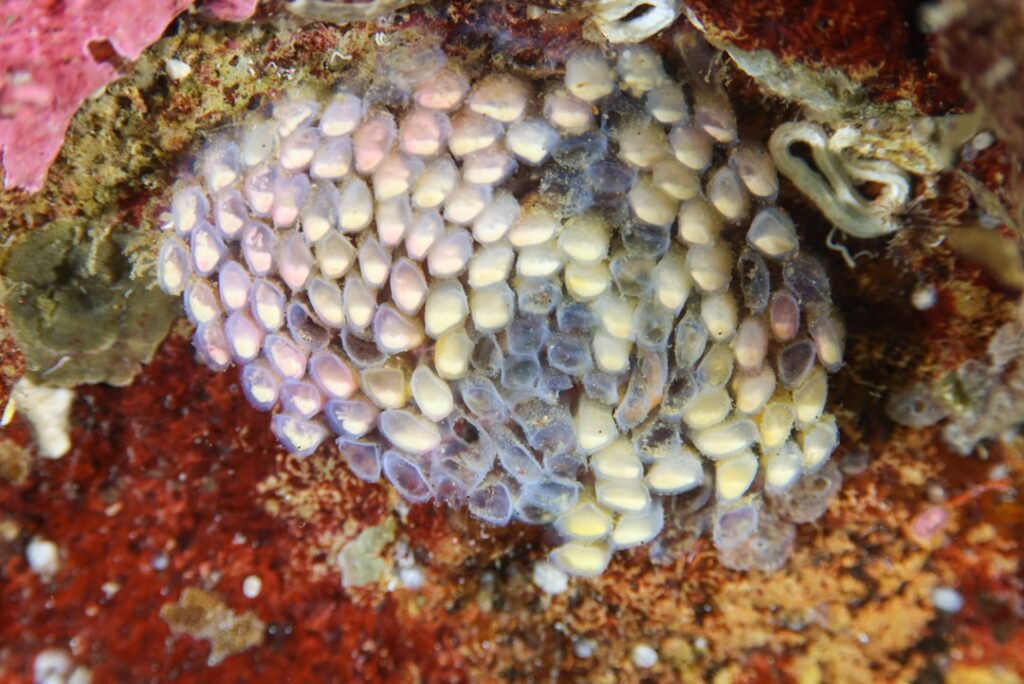
Finding snail eggs in your garden, flower pots, or even inside your home can be unsettling. A single garden snail lays 80–120 eggs per clutch and can produce 5–6 clutches per year, meaning a small infestation can explode into hundreds of snails within a single growing season. This guide teaches you how to identify snail eggs, remove them safely, and prevent them from appearing in the first place.
How to Identify Snail Eggs
Snail eggs are small, round, and easy to overlook if you do not know what to look for. Key identification features include:
- Size: 2–4 mm in diameter (about the size of a pinhead to a BB pellet)
- Color: Translucent white, cream, or pale yellow when freshly laid. They darken to grayish or brownish as embryos develop.
- Shape: Perfectly round to slightly oval, with a soft, gelatinous shell.
- Arrangement: Laid in clusters of 20–120 eggs, loosely grouped in a small depression in soil or tucked under debris.
- Texture: Soft and slightly sticky when fresh. They firm up over 3–5 days but remain soft enough to crush with light finger pressure.
What Snail Eggs Look Like vs. Similar Objects
| Object | Size | Color | Shape | Texture |
|---|---|---|---|---|
| Snail eggs | 2–4 mm | Translucent white/cream | Round | Soft, gelatinous |
| Slug eggs | 3–5 mm | Clear to milky white | Round to oval | Soft, jelly-like |
| Fertilizer pellets (slow-release) | 2–4 mm | Yellow, green, or white | Round | Hard, crushes to powder |
| Perlite | 1–5 mm | Bright white | Irregular | Hard, lightweight, porous |
| Insect eggs (varied) | 0.5–2 mm | Varies widely | Often elongated or barrel-shaped | Hard shell |
The easiest test: gently press a suspect object between your fingers. Snail eggs pop softly and release a small amount of clear fluid. Fertilizer pellets crumble to powder. Perlite crushes into white fragments.
Where Snails Lay Eggs
Snails seek out moist, sheltered locations protected from direct sunlight and predators. Common egg-laying sites include:
- Top 1–3 inches of garden soil — The most common location. Snails dig a small hole with their muscular foot, deposit eggs, and loosely cover them with soil.
- Under pots, stones, and garden decor — The underside of any object sitting on moist ground is prime real estate.
- Compost piles — Warm, moist, and full of organic matter. Compost bins can harbor thousands of eggs.
- Mulch layers — Wood chip and bark mulch provides perfect cover and moisture retention.
- Base of plants — Especially hostas, lettuce, strawberries, and other moisture-loving plants.
- Leaf litter — Decomposing leaves in garden corners and under hedges.
- Cracks in walls and pavement — Snails can squeeze into surprisingly small gaps to deposit eggs.
Snail Egg Lifecycle
| Stage | Duration | Description |
|---|---|---|
| Egg laying | 1–2 hours | Snail deposits 20–120 eggs in a shallow soil cavity |
| Incubation | 14–45 days | Duration depends on temperature (faster in warm conditions) |
| Hatching | 24–48 hours | Baby snails emerge with a tiny, translucent shell |
| Juvenile | 2–6 months | Snails grow their shell and reach feeding maturity |
| Reproductive maturity | 6–12 months | Snails begin laying their own eggs |
Key fact: most garden snails are hermaphrodites (both male and female). After mating, both snails in a pair can lay eggs, effectively doubling the reproduction rate compared to species with separate sexes.
Common Snail Species & Their Eggs
| Species | Region | Eggs per Clutch | Clutches per Year | Egg Color |
|---|---|---|---|---|
| Garden snail (Cornu aspersum) | Worldwide | 80–120 | 5–6 | White to cream |
| Giant African snail (Lissachatina fulica) | Tropical regions | 100–500 | 5–6 | Yellow to pale brown |
| Roman snail (Helix pomatia) | Europe | 30–60 | 1–2 | White, larger (5–7 mm) |
| White garden snail (Theba pisana) | Mediterranean, Australia | 50–80 | 3–4 | Translucent white |
| Mystery snail (Pomacea bridgesii) | Aquariums | 100–600 | 4–8 | Pink to coral (above waterline) |
How to Remove Snail Eggs
Manual Removal
- Inspect egg-laying sites weekly — Check under pots, stones, garden borders, and the top 2 inches of soil near susceptible plants.
- Scoop up egg clusters — Use a small trowel or spoon to collect the eggs along with surrounding soil.
- Dispose of eggs — Place in a sealed plastic bag and discard in the trash. Do not compost snail eggs as they may survive and hatch in the compost pile.
- Crush in place — If you discover eggs during gardening, crush them thoroughly into the soil. Partially crushed eggs can still develop.
Soil Treatment
- Iron phosphate bait — Scatter iron phosphate pellets (like Sluggo) around egg-laying areas. Adult snails eat the bait, stop feeding, and die within 3–6 days. Safe for pets, wildlife, and organic gardens. Cost: $8–$15 per 2.5 lb bag covering 2,500 sq ft.
- Diatomaceous earth — Sprinkle food-grade DE around susceptible areas. The microscopic sharp edges damage snail bodies on contact. Reapply after rain. Cost: $10–$15 per 4 lb bag.
- Copper tape barriers — Line raised beds and pots with copper tape. Snails receive a mild electric-like reaction from copper that deters them from crossing. Cost: $8–$12 per 15 ft roll.
What NOT to Do
- Do not use salt on garden soil — Salt kills snails but also damages plants, soil microorganisms, and beneficial insects. Soil salination takes years to reverse.
- Do not use metaldehyde-based baits around pets — Metaldehyde is toxic to dogs and cats. Use iron phosphate alternatives instead.
- Do not relocate snails — Moving snails to a new area spreads the problem. Garden snails can return from up to 65 feet away.
How to Prevent Snail Eggs
- Reduce moisture — Water in the morning so soil dries by evening (when snails are most active). Use drip irrigation instead of sprinklers to minimize surface moisture.
- Remove hiding spots — Clear leaf litter, debris, and unnecessary ground cover where snails shelter and lay eggs during the day.
- Till soil in late fall — Turning the top 3–4 inches of soil in November or December exposes buried eggs to cold, drying air, and predators. This can reduce spring populations by 40–60%.
- Use gravel mulch — Replace organic mulch with pea gravel or crushed stone around vulnerable plants. Snails avoid rough, dry surfaces for egg laying.
- Encourage predators — Birds (thrushes, blackbirds), ground beetles, frogs, toads, and hedgehogs all eat snails and their eggs. Bird feeders and toad houses near the garden help.
- Raise pots off the ground — Pot feet or bricks elevate containers, eliminating the moist underside where snails commonly lay eggs.
Keeping your garden clean goes hand in hand with keeping your home clean. For indoor maintenance, explore our guides on the best vacuum for hardwood floors and how to shrink clothes that picked up garden stains.
Natural Predators That Eat Snail Eggs
| Predator | Effectiveness | How to Attract |
|---|---|---|
| Ground beetles (Carabidae) | High — actively seek out eggs in soil | Maintain ground cover; avoid broad-spectrum pesticides |
| Song thrush | High — eats both snails and eggs | Berry bushes, water features, nest boxes |
| Common toad | Moderate — eats eggs found while foraging | Toad houses, small ponds, damp sheltered areas |
| Hedgehog | Moderate — generalist feeder | Hedgehog houses, gaps in fences for passage |
| Firefly larvae | High — specialized snail/slug predators | Reduce artificial lighting; maintain leaf litter at garden edges |
| Ducks (Khaki Campbell, Indian Runner) | Very High — consume large quantities daily | Keep 2–4 ducks in a fenced garden area |
Snail Eggs in Aquariums
Aquarium snails are a separate challenge entirely. Common culprits include mystery snails, bladder snails, Malaysian trumpet snails, and ramshorn snails. Their eggs appear differently than garden snail eggs:
- Mystery snail eggs — Pink to coral-colored clusters laid above the waterline on the tank lid, rim, or decorations. Each cluster contains 100–600 eggs. Remove by peeling off with a credit card.
- Bladder snail eggs — Clear, jelly-like capsules containing 10–40 tiny eggs, stuck to glass, plants, and decorations below the waterline. Scrape off with a razor blade or algae scraper.
- Ramshorn snail eggs — Flat, transparent clusters of 10–30 eggs on plant leaves and glass. Visible with the naked eye as small dots inside a clear gel.
- Malaysian trumpet snail — Live-bearers that do not lay visible eggs. Control population by reducing overfeeding.
Controlling Aquarium Snail Eggs
- Manual removal — Inspect tank surfaces weekly and scrape off visible egg clusters.
- Reduce feeding — Overfeeding is the #1 cause of snail population explosions. Feed fish only what they consume in 2–3 minutes.
- Add assassin snails — Clea helena (assassin snails) prey on other snail species and their eggs. Add 2–3 per 10 gallons.
- Quarantine new plants — Soak new aquarium plants in a solution of 1 tablespoon of alum per gallon of water for 2–3 days to kill hitchhiker eggs before adding to your tank.
Snail Eggs Found Indoors
Finding snail eggs inside your home is uncommon but possible, especially in damp basements, bathrooms, and laundry rooms. Eggs are usually introduced on potted plants brought indoors, fresh produce from the garden, or through ground-level cracks and gaps.
- Check potted plants — Inspect the top 2 inches of soil and the underside of pots before bringing them indoors for winter. Remove any egg clusters you find.
- Seal entry points — Snails enter through gaps under doors, weep holes in brick, and cracks in foundations. Apply weatherstripping and caulk to close these access points.
- Reduce indoor humidity — Snails require consistent moisture. A dehumidifier in the basement or bathroom removes the conditions snails need to survive indoors.
- Clean up immediately — Remove any eggs by wiping the surface with a damp cloth and disposing of the cloth in a sealed bag.
Frequently Asked Questions
How long do snail eggs take to hatch?
Garden snail eggs hatch in 14–45 days depending on temperature. In warm conditions (68–77°F), eggs hatch in 14–21 days. In cooler weather (50–60°F), incubation extends to 30–45 days. Eggs that do not hatch within 60 days are likely nonviable.
Can snail eggs survive winter?
In mild climates (USDA Zones 8+), snail eggs can survive winter and hatch in spring. In colder zones, eggs laid in late fall typically freeze and die unless they are buried deep enough (3+ inches) or protected by mulch and snow cover. Fall tilling disrupts this insulation.
Are snail eggs harmful to humans?
Snail eggs themselves are not toxic, but snails can carry parasites, most notably the rat lungworm (Angiostrongylus cantonensis) in tropical regions. Always wash hands thoroughly after handling snails or their eggs, and wash garden produce that may have contacted snails.
What do snail eggs look like in soil?
In soil, snail eggs appear as clusters of small (2–4 mm), round, translucent white or cream-colored spheres, usually found 1–2 inches below the surface. They are often mistaken for slow-release fertilizer pellets or perlite. A gentle squeeze test distinguishes them: snail eggs pop softly, while fertilizer crumbles.
Can vinegar kill snail eggs?
Yes, undiluted white vinegar kills snail eggs on contact by dissolving the gelatinous shell. Spray directly onto egg clusters on hard surfaces. Do not use vinegar in garden soil as it lowers pH and can harm plant roots. For soil, iron phosphate bait is the safest and most effective option.
How many eggs do snails lay at once?
Most garden snails (Cornu aspersum) lay 80–120 eggs per clutch and produce 5–6 clutches per year, totaling 400–720 eggs annually. Giant African snails are even more prolific at 100–500 eggs per clutch and 5–6 clutches per year, potentially producing 3,000 eggs per year.
Last updated: March 2026