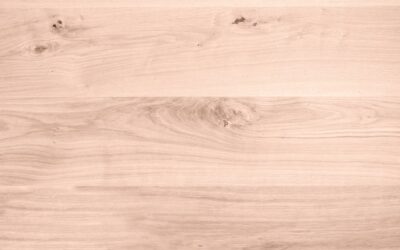
In a market flooded with imported hardwood flooring of varying quality, Somerset Hardwood flooring stands out as one of the few brands that manufactures entirely in the United States. Based in Somerset, Kentucky, the company produces solid and engineered hardwood from Appalachian lumber sourced within 500 miles of its mill. That short supply chain shows in the product quality, consistency, and the kind of tight grain structure that slow-growth Appalachian timber delivers. Here is what to expect from their lineup and whether it belongs on your shortlist.
Company Background
Somerset Hardwood has operated since 1997, focusing exclusively on domestic hardwood species harvested from the Appalachian region. The company owns its sawmill and finishing facility, which gives it unusual control over quality from raw log to finished plank. This vertical integration is rare in the flooring industry, where most brands outsource manufacturing to contract mills in China, Vietnam, or Indonesia.
All Somerset products carry the NWFA (National Wood Flooring Association) certification and are CARB Phase 2 compliant for formaldehyde emissions. The company is also a member of the Appalachian Hardwood Manufacturers, Inc., which promotes sustainable forestry practices in the region. Their sourcing practices are audited to ensure timber comes from responsibly managed forests rather than clear-cut operations.
The Somerset facility processes approximately 20 million board feet of hardwood annually, making it a mid-sized producer compared to industry giants like Shaw and Mohawk. That smaller scale allows more hands-on quality control at each production stage, which shows in the consistency of their finished products.
Product Collections
Somerset organizes its lineup into several collections based on species, finish, and construction type.
- Classic Collection: 3/4-inch solid hardwood in red oak, white oak, and hickory. Traditional 2.25-inch and 3.25-inch widths with aluminum oxide finish. Priced at $4.00-$6.00 per sq ft. The bread-and-butter line for traditional home designs.
- Homestyle Collection: Entry-level solid hardwood in oak and maple. Smooth finish, standard widths. $3.50-$5.00 per sq ft. Best value in the lineup for budget-conscious buyers who still want American-made quality.
- Character Collection: Features natural character marks, mineral streaks, and knots for a rustic look. Available in solid and engineered construction. $4.50-$7.00 per sq ft. This collection has grown in popularity as the farmhouse and rustic-modern design trends continue.
- Wide Plank Collection: 6-7 inch wide planks in engineered construction with a thick hardwood veneer. White oak and hickory options with wire-brushed and hand-scraped textures. $6.00-$9.00 per sq ft. The premium tier for design-forward installations.
- SolidPlus Engineered: Engineered planks with a 3mm hardwood wear layer over a plywood core. More stable than solid wood for basements, over radiant heat, and in humid climates. $5.00-$8.00 per sq ft.
Wood Quality and Grading
Appalachian hardwood is widely regarded as superior to overseas-grown timber for flooring applications. The region’s cold winters and moderate growing seasons produce denser, tighter-grained wood with better hardness ratings than fast-growth plantation timber from China or Southeast Asia. Appalachian red oak scores approximately 1,290 on the Janka hardness scale, while imported red oak from faster-growing regions often tests 10-15% softer.
Somerset offers multiple grades within each species. Select grade includes minimal knots and consistent color, producing a clean, uniform appearance suited to formal rooms and contemporary designs. Character grade embraces natural variation with knots up to 1 inch, mineral streaks, and color range that adds visual interest. Both grades come from the same timber; the sorting happens at the mill based on appearance rather than structural quality, so both are equally durable.
White oak has become Somerset’s fastest-growing category, driven by the design trend toward European-style light floors. Somerset’s Appalachian white oak offers a tighter grain and more subtle character than red oak, with natural tan-to-golden tones that pair well with modern interiors. For homes seeking a Scandinavian or coastal aesthetic, white oak in a wire-brushed finish is the standout option.
Finish and Durability
All Somerset hardwood comes prefinished with a multi-layer aluminum oxide coating that is significantly harder than site-applied polyurethane. The factory finish carries a 25-year residential wear warranty, and real-world performance typically exceeds that timeline with proper care. Somerset applies 7-9 coats of UV-cured finish, creating a surface that resists scratches, staining, and daily wear far better than the 2-3 coats a site-finished floor receives.
The micro-beveled edges between planks prevent chipping during installation and create a defined plank look that adds dimension to the floor. Some homeowners prefer the seamless appearance of site-finished floors, but the trade-off is a finish that is softer and needs recoating sooner, typically every 3-5 years compared to 8-12 years for Somerset’s factory finish.
Somerset also offers floors in both satin and matte sheens. The matte finish hides micro-scratches and daily wear better than high-gloss options, making it the practical choice for homes with pets and children. The satin finish strikes a balance between shine and practicality that works in most settings.
Installation Methods
Somerset solid hardwood installs using standard nail-down or staple-down methods over plywood subfloors. The 3/4-inch solid products require a plywood or OSB subfloor of at least 3/4-inch thickness. Do not install solid Somerset over concrete, as the moisture and lack of nailing surface make it unsuitable.
The SolidPlus engineered line is more versatile, supporting nail-down, glue-down, and floating installation. This flexibility makes it suitable for concrete slabs, radiant heat systems, and below-grade basements where solid wood cannot go. Follow Somerset’s specific adhesive recommendations for glue-down installation, as using an incompatible adhesive can void the warranty and cause bonding failures.
Acclimate all Somerset products in the installation room for a minimum of 5 days before installation, with the HVAC system running at normal operating conditions. Hardwood is sensitive to moisture content differences between the wood and the environment, and skipping acclimation is the most common cause of post-installation gaps, cupping, and buckling. Use a pin-type moisture meter to verify that the wood moisture content is within 2% of the subfloor before proceeding.
Pricing Compared to Competitors
Somerset sits in the mid-range for domestic hardwood, positioned above builder-grade imports but below ultra-premium brands.
- Somerset Classic (solid oak): $4.00-$6.00 per sq ft
- Bruce Dundee (solid oak): $3.50-$5.00 per sq ft
- Shaw Repel (engineered): $5.00-$8.00 per sq ft
- Carlisle Wide Plank (premium): $10.00-$18.00 per sq ft
- Mullican Williamsburg (solid oak): $4.00-$6.50 per sq ft
For the quality of Appalachian hardwood and US manufacturing, Somerset’s pricing is competitive. You are getting domestic timber and finishing at prices close to what imported products cost, which represents genuine value. The Homestyle Collection at $3.50-$5.00 per sq ft is particularly compelling for builders and homeowners who want American-made hardwood without the premium-tier price tag.
Maintenance and Care
Somerset hardwood requires the same basic maintenance as any prefinished hardwood floor. Sweep or vacuum regularly using a hardwood-safe attachment without a beater bar. Damp mop with a hardwood floor cleaner like Bona or Basic Coatings when needed, but never wet mop or use steam cleaners on hardwood.
Place felt pads under all furniture legs and replace them every 6-12 months as they compress and collect debris. Use entry mats at exterior doors to trap grit that scratches the finish. Keep indoor humidity between 35-55% year-round to minimize seasonal expansion and contraction that causes gaps between planks in winter and tightness in summer.
When the finish eventually shows wear in high-traffic areas, Somerset’s solid and thick-veneer engineered floors can be sanded and refinished. Solid 3/4-inch products support 3-4 full sand-and-refinish cycles over their lifetime, essentially giving you a new floor each time. The SolidPlus engineered line with its 3mm wear layer supports 1-2 refinishing cycles.
Who Should Buy Somerset Hardwood?
Somerset is an excellent choice for homeowners who prioritize American-made products, want proven hardwood quality, and prefer dealing with a focused manufacturer rather than a conglomerate brand. The Classic and Homestyle collections deliver outstanding value for traditional homes, while the Wide Plank and Character lines satisfy the current demand for rustic, textured hardwood with authentic character marks.
If you need below-grade or concrete slab installation, the SolidPlus engineered line provides that flexibility without sacrificing the Appalachian hardwood quality Somerset is known for. For buyers comparing Somerset against imported alternatives at similar prices, the domestic sourcing, tighter grain structure, and vertically integrated manufacturing make a compelling case that goes beyond patriotic preference into measurable product quality differences.
Prefer to explore on your own?
See how new flooring looks in your actual room in seconds — free, no signup.
Try the free Floor Studio →