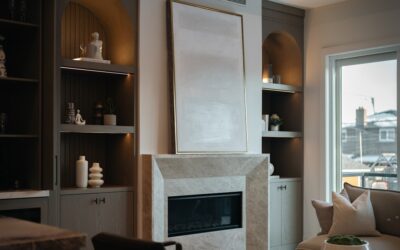
A real spa is quiet, warm, and uncluttered — a space that signals “slow down” the moment you walk in. Most home bathrooms do the opposite: hard fluorescent light, plastic shower caddies, and toothpaste tubes on the counter. Building a spa inspired bathroom at home is less about expensive fixtures and more about a small set of design decisions that change the feel completely. This guide covers the materials, lighting, layout, and details that turn a standard bathroom into a calm retreat without renovating the whole house.
Start With the Materials Palette
Spas use natural materials that age well — stone, wood, linen, glass. The opposite of spa is high-gloss plastic and chrome. Build the palette around three or four materials at most:
- Stone or stone-look porcelain for floors and shower walls — travertine, marble, or large-format porcelain in soft warm grays
- Teak or thermally modified ash for vanity, bath tray, or shower bench — both species handle moisture and warm the space visually
- Linen or organic cotton for towels and shower curtains — synthetic blends fight the natural look
- Matte black or aged brass for fixtures — chrome reads dated and reflects too brightly under spa lighting
Stick with two or three colors. Whites, warm grays, soft beiges, and a single accent like deep green or charcoal work better than busy multi-color schemes.
Lighting Sets the Mood More Than Fixtures Do
Bright overhead lighting is the single biggest enemy of a spa feel. Replace any single ceiling light with layered lighting on dimmers. The layers most spas use:
- Ambient — recessed lights at 2700K to 3000K, dimmed to 30 to 50 percent for evening use
- Task — sconces on either side of the mirror at face height, providing shadow-free light for grooming
- Accent — small LED strips under the vanity toe kick or behind a mirror, providing soft glow without direct visibility
Add candles for the final layer. Battery-operated LED candles look fake; stick with real beeswax or soy candles in simple holders. The flicker is part of the effect.
The Shower Is the Centerpiece
If you only renovate one element, make it the shower. A standard 32 by 60-inch shower stall feels cramped no matter what fixtures you put in it. Spa showers are typically 36 by 60 minimum, often 42 by 72 with a bench.
Three fixtures change the experience: a rainfall showerhead at 8 to 10 inches in diameter, a handheld on a slide bar for rinsing, and a thermostatic valve that holds water temperature within 2 degrees regardless of what is running elsewhere in the house. Quality thermostatic valves run $400 to $900 — a worthwhile spend on a spa inspired bathroom shower.
Glass enclosures with minimal hardware look better than framed showers with track-mounted doors. Frameless glass at 3/8-inch thickness costs $1,500 to $3,500 installed but defines the space.
Soaking Tubs Done Right
A standalone soaking tub is the visual anchor of most spa bathrooms. Look for tubs with at least 60 inches of length and 24 inches of internal water depth. Anything shallower forces you to lay flat rather than sit upright.
Materials matter for warmth retention. Cast iron tubs hold heat far better than acrylic but weigh 350 to 500 pounds and may need floor reinforcement. Solid-surface composite tubs split the difference at $1,500 to $3,500 with good heat retention and reasonable weight.
Heated Floors Change Everything
Cold tile floors break the spa illusion the moment your bare feet touch them. Electric radiant heat under tile costs $10 to $20 per square foot installed and uses about $2 to $5 per month in electricity to run during use.
The system is a thin mat of heating wire embedded in mortar under the tile. A programmable thermostat brings the floor up to 80 to 85 degrees thirty minutes before your morning routine. The comfort upgrade is hard to overstate.
Storage That Stays Hidden
Visible clutter is the fastest way to kill the spa feel. Plan storage during design rather than adding shelves later:
- Recessed medicine cabinets — flush with the wall, hold daily-use items behind closed doors
- Vanity drawers with dividers — pull-out organizers keep grooming supplies categorized
- Niches in the shower — built-in shelves at chest and ankle height eliminate plastic caddies
- Linen tower or hidden hamper — keep towels and laundry out of sight
One open shelf with a single visible object — a stack of folded white towels, a small plant, a wood tray with a candle — beats a dozen decorative items competing for attention.
Sound, Scent, and Climate
The senses beyond sight matter. Add a quiet exhaust fan rated below 1.0 sone — Panasonic WhisperGreen units run about $300 and barely register acoustically. Loud fans break the calm.
For audio, ceiling-mounted Bluetooth speakers that connect to your phone start at $200 installed. Skip portable shower speakers — the placement always looks improvised.
Eucalyptus in the shower is the classic spa scent. A small bunch hung from the showerhead releases the oils when steam hits it. Replace every two to three weeks. Pricier alternatives include essential oil diffusers and scent ribbons hung from the exhaust fan.
Plants Bring Life In
One or two plants make a bathroom feel finished. Pick species that tolerate humidity and lower light levels:
- Pothos — nearly indestructible, drapes nicely from a shelf
- Snake plant — upright form, very low water needs, tolerates almost any light
- Boston fern — loves bathroom humidity, full and lush, needs medium light
- ZZ plant — slow growing, very low maintenance, sculptural appearance
Avoid plastic plants and silk arrangements. They collect dust and fight the natural materials elsewhere in the room.
Budget Reality
A full spa inspired bathroom renovation runs $20,000 to $60,000 depending on size and finish level. A targeted update keeping the existing layout but swapping fixtures, lighting, and finishes can land at $5,000 to $12,000 with strong results. The biggest visual gains come from lighting, glass shower enclosures, and natural materials — invest there first if budget is tight.