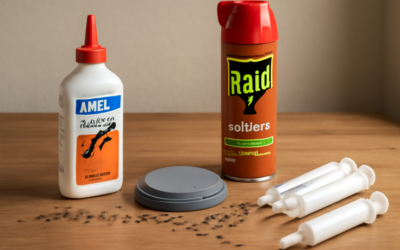
A trail of ants marching across the kitchen counter is annoying. Watching your dog lick up an ant bait gel you just placed by the baseboard is a frantic call to the poison control hotline. Finding ant poison safe for dogs is more nuanced than the marketing on the front of the package suggests, because most “pet safe” labels assume the bait stays inside the plastic station where the dog cannot reach it. The actual safety calculus depends on the active ingredient, the dosage, the delivery format, and how aggressively your dog hunts down anything that smells edible. Here is what you need to know to clear an ant infestation without endangering your dog.
Active Ingredients Ranked by Dog Safety
The active ingredient matters more than the brand. Here is how the common ant bait actives stack up for dog safety, from safest to most dangerous:
- Borax (sodium borate) at 5 to 6 percent: Mild GI upset at small ingestions. Lethal dose for a 30-pound dog requires consuming roughly 2 to 3 ounces of pure borax. Most baits contain far less. Generally considered the safest choice.
- Boric acid: Similar safety profile to borax. Slow-acting on ants but slow to harm pets at typical bait concentrations.
- Spinosad: A natural soil bacteria derivative used in some newer baits. Very low toxicity to dogs at bait concentrations.
- Fipronil (Combat baits): Moderately toxic. Found in flea treatments at higher concentrations, so dogs metabolize it, but ingestion of multiple stations could cause vomiting and tremors.
- Hydramethylnon (Maxforce): Moderate risk. A large dog consuming a single bait station is unlikely to be seriously harmed but it can cause GI symptoms.
- Indoxacarb: Moderate risk, similar to hydramethylnon.
- Avoid: Avermectin (high doses), Sulfluramid, and any rodent/ant combination poisons with bromethalin or anticoagulants. These are dangerous to dogs even in small quantities.
Brand-by-Brand Safety Summary
Specific products commonly available in the US:
- Terro Liquid Ant Baits: Active ingredient borax at 5.4 percent. The most dog-tolerant option among major brands. Stations are sealed plastic that resist casual chewing. Sold at Home Depot and Walmart for $5 per 6-pack.
- Combat Max Ant Bait Stations: Active ingredient fipronil. Plastic disc stations are durable. Moderate dog risk if station is chewed open.
- Raid Ant Baits III: Active ingredient avermectin B1. Higher toxicity to dogs than borax-based options.
- Advance 375A Ant Bait: Active ingredient abamectin (avermectin B1) at very low concentration. Used by pest pros.
- Maxforce Quantum Ant Bait Gel: Active ingredient imidacloprid. Professional-grade gel sometimes sold in DIY sizes. Lower risk than older bait gels but still warrants caution.
- Eco-Defense or natural plant-oil-based sprays: Generally safe for dogs once dry but offer poor long-term ant control.
Why Bait Stations Beat Sprays for Pet Homes
Liquid sprays leave residue across baseboards and floors that dogs can lick or absorb through paw pads. Bait stations contain the poison inside sealed plastic that ants enter to feed, with no surface contamination. For homes with dogs, stick to enclosed bait stations or covered gel applications behind appliances and inside cabinet voids.
Terro Liquid Ant Baits in particular use a thick sugar-water bait that ants love and dogs find moderately attractive only if the station is broken open. The polycarbonate housing tolerates a determined chew for a few minutes before failing, which is usually long enough to notice and intervene.
Placement Strategies for Homes With Dogs
- Place baits behind appliances (under the dishwasher, behind the refrigerator) where dogs cannot reach.
- Tuck stations into the back of base cabinets and seal the kick plate.
- Use double-stick adhesive on the back of stations to fix them in place. A loose station gets batted across the floor in seconds.
- For outdoor perimeter baiting, place stations beyond fenced areas or in PVC bait stations that dogs cannot chew open.
- In multi-pet homes, supervise the first 24 hours of bait placement closely. Dogs vary in food drive and curiosity.
Boric Acid DIY Recipe
For owners who want the most control over what is inside the bait, mix your own borax-based bait. The recipe:
- 1 tablespoon borax (20 Mule Team Borax laundry booster works)
- 1 cup warm water
- 1/2 cup sugar
Stir until dissolved. Saturate cotton balls and place them inside small plastic containers with holes punched in the lids. The container barrier keeps dogs from accessing the bait directly. The borax concentration in this recipe is about 1 percent, well below toxic dose for any dog over 10 pounds even if they did consume an entire batch.
What to Do if Your Dog Eats Ant Bait
Stay calm. Read the label and identify the active ingredient. Then call:
- ASPCA Animal Poison Control: 888-426-4435 ($95 consultation fee but they have product databases)
- Pet Poison Helpline: 855-764-7661 ($85 fee, 24/7)
- Your vet: Especially if symptoms appear within 30 minutes
Symptoms to watch for after ingestion: vomiting, excessive drooling, lethargy, tremors, loss of appetite, or unusual behavior. Most borax-based bait ingestions cause only mild GI upset that resolves on its own. Stronger actives like fipronil or hydramethylnon at sufficient doses warrant a vet visit.
Bring the package or a photo of the label when you call or visit. Treatment depends on the specific active ingredient and dose, not the brand name.
Non-Poison Ant Control Worth Trying First
Before deploying any bait, address conditions that attract ants in the first place. Wipe down counters with a 50/50 vinegar-water solution daily to disrupt scent trails. Caulk gaps around windows, doors, and pipe penetrations where ants enter. Store dry pet food in sealed containers and avoid leaving wet food bowls out overnight. Remove standing water in plant saucers and under sinks.
For active trails, diatomaceous earth (food-grade only, like Harris Diatomaceous Earth at Lowe’s for $14 per pound) is safe for dogs and kills ants through dehydration. Sprinkle thinly along trails and entry points. Reapply after vacuuming or after the area gets wet.
Long-Term Prevention
Once you have eliminated an active infestation, perimeter treatments with pet-safe products like Wondercide Outdoor Pest Control or Cedarcide create barriers that ants avoid without poisoning anything. These cedar-oil sprays cost $30 to $50 per gallon and last 4 to 6 weeks per application. Combined with sealing entry points and removing food sources, you can usually skip indoor baits entirely after the initial knockdown.