The ASPCA poison control center handles roughly 400,000 pet exposure cases each year, and houseplants and garden plants account for nearly one in ten of those calls. Picking plants safe for dogs means knowing both the genuinely safe options and the popular plants that pose real risk, since many common houseplants and landscape favorites — pothos, sago palm, lilies, oleander — can cause anything from mild GI upset to fatal organ failure. After designing dog-friendly gardens for breeders and pet owners across multiple climates, the safe plant list is longer than most people realize.
- Why Pet Safety Matters Even for Trained Dogs
- Best Indoor Houseplants for Dog Households
- Popular Houseplants to Remove or Relocate
- Safe Outdoor Plants for Dog-Friendly Yards
- Outdoor Plants to Eliminate Immediately
- Dog-Safe Herbs and Edibles
- Designing the Yard With the Dog in Mind
- What to Do If a Dog Eats a Plant
- Building a Long-Term Plan
Why Pet Safety Matters Even for Trained Dogs
Dogs do not have to eat large quantities to become sick. A puppy chewing on a single dieffenbachia leaf out of curiosity can suffer days of mouth swelling. An older dog grazing in the yard out of boredom can encounter sago palm, which causes liver failure with as little as one swallowed seed. Even well-trained adult dogs explore unfamiliar plants on the first walk of the day or when bored.
The safer approach is to remove the temptation entirely. Replace toxic plants with non-toxic alternatives that look similar. The visual difference is rarely noticeable, but the safety upgrade is total.
Best Indoor Houseplants for Dog Households
Confirmed non-toxic per the ASPCA database, with care notes for actual home use:
- Spider plant (Chlorophytum comosum) — easy, hangs well, dogs sometimes nibble harmlessly
- Boston fern (Nephrolepis exaltata) — humidity-loving, perfect for bathrooms
- Areca palm (Dypsis lutescens) — large floor plant, true tree feel
- Parlor palm (Chamaedorea elegans) — low-light tolerant, slow-growing
- Calathea varieties — colorful foliage, medium light
- African violet (Saintpaulia) — flowering, compact, bright indirect light
- Peperomia varieties — small, succulent-like, easy
- Christmas cactus (Schlumbergera) — flowering holiday plant
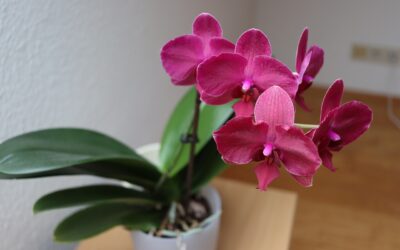
- Phalaenopsis orchid — long-blooming, surprisingly easy
- Air plants (Tillandsia) — no soil, mounted anywhere
These cover the major design needs — hanging plants, floor specimens, tabletop accents, and flowering varieties — without forcing pet owners to compromise.
Popular Houseplants to Remove or Relocate
Several of the most-purchased houseplants of the past decade are toxic to dogs. The major offenders:
- Pothos — calcium oxalate crystals cause mouth pain and vomiting
- Philodendron — same toxin as pothos
- Monstera deliciosa — causes oral irritation and digestive upset
- Snake plant (Sansevieria) — saponins cause vomiting and diarrhea
- ZZ plant (Zamioculcas) — calcium oxalate crystals, mild but unpleasant
- Aloe vera — laxative effect, vomiting, and lethargy
- Dieffenbachia — severe mouth swelling, drooling
- Sago palm — potentially fatal liver damage from any part
If you cannot bear to part with these, mount them on high shelves, hang them in macramé hangers above dog-reach height, or move them to dog-free rooms with closed doors.
Safe Outdoor Plants for Dog-Friendly Yards
Garden design for dog homes balances visual appeal, durability against romping, and zero toxicity. Reliable choices for most US climate zones:
- Snapdragons (Antirrhinum) — colorful annual, full sun
- Marigolds (Tagetes) — pest-deterring annual, easy
- Sunflowers (Helianthus) — tall annual, dog-safe even when seedheads drop
- Roses (Rosa) — petals and leaves safe, watch the thorns
- Camellia (Camellia japonica) — shrub, fall and winter blooms
- Crape myrtle (Lagerstroemia) — small flowering tree, southern climates
- Magnolia — large flowering tree
- Forsythia — early spring yellow blooms
- Lilac (Syringa) — fragrant spring shrub
- Hibiscus (most varieties) — tropical look
For ground cover, creeping thyme, Irish moss, and Korean velvet grass all tolerate dog traffic and are non-toxic.
Outdoor Plants to Eliminate Immediately
Several common landscape plants pose serious risk:
- Sago palm — fatal liver failure, all parts toxic
- Oleander — heart toxin, fatal in small amounts
- Yew (Taxus) — heart toxin, all parts except the red flesh of berries
- Foxglove (Digitalis) — heart toxin, fatal in moderate amounts
- Lily of the Valley — heart toxin
- Castor bean — contains ricin, severely toxic
- Azalea and rhododendron — vomiting, weakness, possible heart issues
- Daffodil and tulip bulbs — vomiting, drooling, possible heart issues
- Hydrangea — cyanide compounds, GI upset
Sago palm is the worst offender in southern landscaping. If you have one and a dog, remove it. The plant survives transplanting easily if you cannot bear to throw it away — find a dog-free home for it.
Dog-Safe Herbs and Edibles
Several culinary herbs are not just safe but actively dog-friendly:
- Basil — safe and antioxidant-rich
- Rosemary — safe in normal quantities
- Thyme — safe and aromatic
- Parsley (curly varieties) — flat-leaf in moderation only
- Sage — safe in small amounts
- Cilantro — safe
- Dill — safe
Avoid garlic, onion, leek, and chive plants — these alliums cause hemolytic anemia in dogs and cats. Avoid mint and oregano in large quantities, although small ornamental amounts are not concerning.
Designing the Yard With the Dog in Mind
Smart layout reduces conflict between dogs and plants. Create a dedicated dog zone with hardy ground cover and clear running paths. Install raised beds at 24 to 30 inches high for vegetable gardens and prized perennials — most dogs will not jump into raised beds for casual grazing.
Use fencing that defines edges without dominating the space. Low picket fences or 18-inch wire borders around flower beds redirect even motivated dogs. Hardscape paths and patios reduce wear on lawns and create natural circulation patterns that dogs respect.
What to Do If a Dog Eats a Plant
The response depends on the plant. For known safe plants, monitor for normal behavior. For unknown or known-toxic plants, act fast:
First, identify the plant if possible. Take a leaf sample. Photograph the plant from multiple angles.
Second, call the ASPCA Animal Poison Control Center at (888) 426-4435. The $95 consultation fee is well worth the expert guidance. Pet Poison Helpline at (855) 764-7661 is a similar resource.
Third, follow their instructions. Do not induce vomiting unless directed — some toxins cause more damage on the way back up.
Fourth, get to an emergency vet if symptoms appear or if the plant is known to be highly toxic. Symptoms requiring immediate action include vomiting, diarrhea, drooling, muscle tremors, weakness, or breathing difficulty.
Building a Long-Term Plan
Audit every plant in the home and yard with the ASPCA toxic plant database (aspca.org) at hand. Photograph every unknown plant and identify with a plant ID app like PlantNet. Replace toxic plants gradually — most homes have 5 to 15 plant changes to make for true dog safety.
Train dogs from puppyhood to leave plants alone. The “leave it” command transfers from food to plants and toys easily. Adult dogs adopted later in life may need 2 to 4 weeks of consistent reinforcement to break grazing habits, but every dog is trainable to ignore household plants when raised in an environment that consistently expects it.