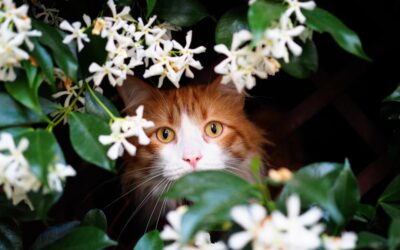
The spider plant (Chlorophytum comosum) has the rare distinction of being both impossible to kill and impossible to keep your cat away from. If you have ever come home to find chewed leaves and a smug feline lounging nearby, you are in the majority. The good news is that the spider plant pet safe question has a clear, evidence-based answer — the ASPCA lists it as non-toxic to dogs and cats, and decades of veterinary case data back that up. But there is a deeper conversation about why pets eat them so eagerly, what mild side effects can still occur, and how to make peace between your houseplants and your pets.
Official Toxicity Status
The American Society for the Prevention of Cruelty to Animals (ASPCA) maintains the most authoritative database for plant toxicity in companion animals. Chlorophytum comosum appears on the non-toxic list for cats, dogs, and horses. The Pet Poison Helpline echoes that classification.
That non-toxic rating means a cat or dog can eat normal quantities of spider plant leaves without risk of organ damage, neurological symptoms, or death. It does not mean the plant is medically inert. Like any unusual foreign material, ingestion can still cause mild gastrointestinal upset — and there is one specific chemical compound in spider plants worth understanding.
Why Cats Are Obsessed With Spider Plants
Spider plants contain compounds chemically similar to those found in catnip and opium poppy — chlorophytum mickeliana and related saponins. These compounds produce a mild euphoric reaction in cats, which explains the obsession. Your cat is not eating the spider plant because it is hungry. It is recreationally consuming a mild stimulant.
The effect is brief — usually 10 to 20 minutes — and not addictive. But the chemical attraction explains why even well-fed cats will repeatedly stalk a spider plant while ignoring other houseplants in the same room.
Mild Side Effects to Watch For
Although the plant is classified non-toxic, three minor side effects show up in veterinary calls every year.
First, gastrointestinal upset — vomiting or diarrhea within 1 to 6 hours of ingestion. The mechanism is mechanical rather than chemical: long plant fibers irritate the stomach lining. Usually resolves within 24 hours without treatment. Second, mild lethargy following the brief stimulant phase, similar to a catnip comedown. Third, in rare cases of large quantity consumption, dehydration if the GI symptoms are severe enough to suppress drinking.
None of these warrant emergency vet visits unless symptoms persist beyond 36 hours or your pet shows signs of distress beyond mild lethargy.
When to Actually Worry
The bigger risk with houseplants is misidentification. Several plants commonly called “spider” something are NOT the true spider plant and ARE toxic:
- Spider lily (Lycoris radiata) — toxic to cats and dogs, causes vomiting and tremors
- False spider mum (Chrysanthemum) — toxic, causes drooling, vomiting, and skin dermatitis
- Spider flower (Cleome hassleriana) — mildly toxic to cats
- Asparagus fern (Asparagus densiflorus) — sometimes mislabeled “spider plant” at nurseries, toxic to cats and dogs
Verify the plant tag at purchase. True spider plants display the scientific name Chlorophytum comosum and grow in the characteristic rosette with arching striped or solid green leaves and small spider-like plantlets dangling from runners.
Protecting the Plant From the Pet
If your cat treats your spider plant like a salad bar, two strategies work.
Place the plant out of jumping range. Spider plants thrive in hanging baskets at 6+ feet of height, which keeps them out of most cat acrobatics. Macrame plant hangers from Mkono ($14 for a 4-pack) work well with standard 6-inch nursery pots. For dogs, simply elevate to any plant stand above 30 inches.
The other approach is to give the cat a designated chewing plant. Sprouting wheat grass kits from Bell Rock Growers ($12) give cats a legitimate target for chewing urges, reducing pressure on ornamental plants. Many cat owners report 80 percent reduction in spider plant nibbling once wheat grass is available.
Protecting the Pet From the Plant
Even though the plant is non-toxic, fertilizers and pesticides applied to the plant can be highly toxic. Check the labels on any plant food you use:
Miracle-Gro Indoor Plant Food contains nitrate compounds that can cause GI distress in cats. Use pet-safe alternatives like Espoma Indoor Liquid Plant Food ($9) which uses fish emulsion and is non-toxic at typical exposure levels. Skip any product containing systemic insecticides like neonicotinoids — these are absorbed by the plant and remain in tissue for weeks.
For pest control on spider plants, neem oil at 1 percent concentration ($14 a bottle) is safe around pets when dried. Avoid pyrethrin-based sprays in any home with cats — pyrethrins cause severe neurological symptoms in felines.
Pet-Safe Houseplant Companions
If you want to expand your collection beyond spider plants, several others share the non-toxic ASPCA classification:
- Boston fern (Nephrolepis exaltata) — humidity-loving, non-toxic
- African violet (Saintpaulia) — flowering, non-toxic
- Calathea (any species) — striking patterned leaves, non-toxic
- Money tree (Pachira aquatica) — easy care, non-toxic
- Maranta (prayer plant) — non-toxic, low light tolerant
- Peperomia (any species) — succulent-like, non-toxic
- Bromeliads (most species) — colorful, non-toxic
Care Tips for Healthy Spider Plants
A thriving spider plant takes minimal effort and produces hundreds of plantlets over a few years. Bright indirect light is ideal — east or north-facing windows produce the best results. Direct afternoon sun bleaches leaves. Water when the top inch of soil feels dry, roughly every 7 to 10 days in summer and every 14 to 18 days in winter.
The plant produces brown leaf tips when watered with tap water containing chlorine or fluoride. Switch to filtered water or let tap water sit out 24 hours before watering. Repot every 18 to 24 months as the thick tuberous roots fill the container.
If Your Pet Eats a Suspicious Plant
For any suspected plant ingestion where you cannot positively identify the species, call the ASPCA Animal Poison Control Center at (888) 426-4435. The consultation fee is $95 but the line is staffed 24/7 by veterinary toxicologists. For confirmed spider plant ingestion, monitor at home unless symptoms persist beyond 24 hours.
The bottom line on the spider plant pet safe question is reassuring — your cat or dog can share a home with this plant safely. The mild euphoric attraction is the only complicating factor, and elevating the pot solves it. After 40 years of veterinary case data, no fatal or serious incident has been linked to spider plant ingestion in cats or dogs.