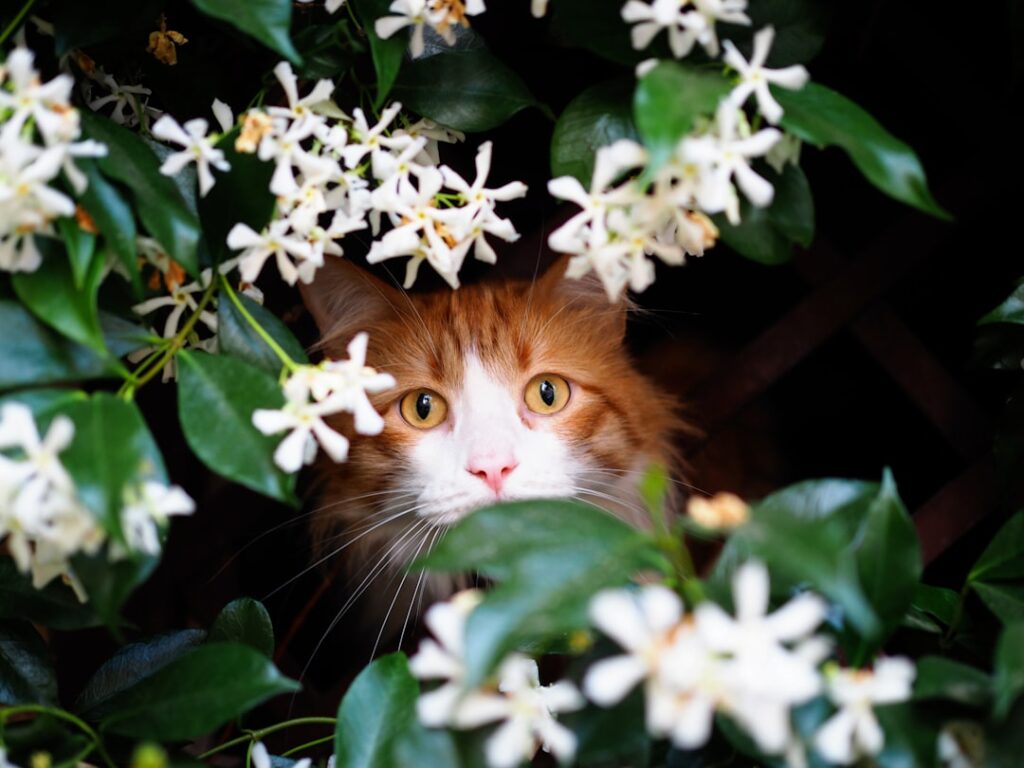
If you share your home with a curious cat and a love of houseplants, you have probably asked the question: are spider plants safe for cats? The short answer is reassuring. The ASPCA lists the spider plant (Chlorophytum comosum) as non-toxic to cats, dogs, and horses. Your cat is not going to be poisoned by nibbling a leaf. But there is an important nuance that every pet owner should understand before letting a feline treat the plant like a chew toy.
- The Simple Answer: Non-Toxic
- The Catch: A Mild Hallucinogenic Effect
- Why Chewing Can Still Cause Problems
- Another Hidden Risk: Pesticides and Fertilizers
- How to Keep Both Your Cat and Plant Happy
- What to Do If Your Cat Eats Too Much
- Other Cat-Safe Houseplants to Consider
- Plants to Avoid in a Cat Household
- Why Cats Chew Plants in the First Place
- Caring for a Spider Plant in a Pet Home
- Final Thoughts
The Simple Answer: Non-Toxic
Spider plants do not contain the toxic compounds found in many popular houseplants. Unlike lilies, which can cause fatal kidney failure in cats, or pothos and philodendron, which contain irritating calcium oxalate crystals, spider plants carry no known poison that threatens a cat’s life. This makes them one of the safest decorative greens you can keep in a pet household, and it is a big reason they are so often recommended to cat owners who still want indoor foliage.
The Catch: A Mild Hallucinogenic Effect
Here is the nuance. Spider plants contain compounds that are mildly related to those found in opium, and they appear to have a subtle attractant or mild psychoactive effect on cats, somewhat similar to catnip. This is why so many cats are weirdly obsessed with batting at, biting, and chewing the dangling leaves. The effect is gentle and not dangerous, but it explains the fascination. Your cat is not being destructive for no reason, the plant genuinely appeals to them.
Why Chewing Can Still Cause Problems
Even though the plant itself is non-toxic, eating large amounts of any plant material can upset a cat’s digestive system. Cats are obligate carnivores, and their bodies are not designed to process much vegetation. A cat that gorges on spider plant leaves may experience:
- Vomiting
- Diarrhea or loose stools
- Mild stomach upset or loss of appetite
These reactions come from the physical irritation of eating fibrous greenery, not from poison. They usually pass on their own, but persistent vomiting or signs of distress always warrant a call to your veterinarian.
Another Hidden Risk: Pesticides and Fertilizers
The plant may be safe, but what you put on it might not be. Many store-bought houseplants are treated with systemic pesticides, and homeowners often add chemical fertilizers to the soil. If your cat chews leaves coated in pesticide or digs in fertilized soil, those chemicals can cause far more harm than the plant ever would. Always choose pet-safe products, rinse newly purchased plants, and consider keeping fertilizer granules out of reach.
How to Keep Both Your Cat and Plant Happy
You do not have to choose between your cat and your greenery. A few simple strategies let both coexist:
- Hang it high: Spider plants are natural trailers and look beautiful in hanging baskets, well out of paw range.
- Use a tall shelf or plant stand: Place the plant where the dangling babies cannot tempt a leaping cat.
- Offer a cat-safe alternative: Provide cat grass or a catnip plant so your cat has its own greenery to chew.
- Apply a deterrent: A light citrus scent near the pot, which cats dislike, can discourage nibbling.
- Trim the spiderettes: The little plantlets dangling on runners are the main attraction, so removing some reduces temptation.
What to Do If Your Cat Eats Too Much
If you catch your cat munching spider plant leaves, do not panic. Remove access to the plant and watch for digestive symptoms over the next several hours. Most cats are perfectly fine. Offer fresh water and keep an eye on litter box habits. If your cat vomits repeatedly, refuses food for more than a day, becomes lethargic, or shows any unusual behavior, contact your veterinarian or the ASPCA Animal Poison Control Center. While the plant is not poisonous, a vet can rule out other causes and address any pesticide exposure.
Other Cat-Safe Houseplants to Consider
If you want to round out a pet-friendly indoor garden, several other plants are also recognized as non-toxic to cats:
- Boston fern
- Areca palm and parlor palm
- Calathea (prayer plant)
- African violet
- Money tree
Pairing these with your spider plant gives you a lush look without the worry. Always double-check any new plant against the ASPCA’s toxic and non-toxic plant list before bringing it home.
Plants to Avoid in a Cat Household
For contrast, keep these genuinely dangerous plants out of your home entirely: true lilies (extremely toxic to cats, even the pollen), sago palm, dieffenbachia, oleander, pothos, and philodendron. The difference between these and the spider plant is stark, which is exactly why the spider plant earns its reputation as a go-to choice for cat lovers.
Why Cats Chew Plants in the First Place
Understanding the behavior helps you manage it. Cats nibble greenery for several reasons beyond the spider plant’s mild appeal. Some chew to add fiber to their diet and aid digestion, others to help bring up hairballs, and many simply out of boredom or curiosity. Indoor cats with little to do are especially prone to treating houseplants as entertainment. Recognizing this means the solution is not just moving the plant but also enriching your cat’s environment with toys, play sessions, a sunny perch, and a dedicated pot of cat grass. A stimulated, well-fed cat is far less likely to obsess over your foliage.
Caring for a Spider Plant in a Pet Home
Healthy spider plants are easier to keep out of harm’s way. They thrive in bright, indirect light and prefer to dry out slightly between waterings, which makes them forgiving for beginners. Because they grow quickly and send out long runners with dangling plantlets, regular trimming keeps them tidy and reduces the tempting trailing leaves that cats love to swat. Hanging the plant or placing it on a high shelf also gives it the room to cascade naturally while staying beyond your cat’s reach, a win for both the plant’s health and your peace of mind.
Final Thoughts
So, are spider plants safe for cats? Yes, they are non-toxic and pose no poisoning risk, though their mild appeal to cats means overenthusiastic chewing can cause minor stomach upset, and pesticides on the leaves are the real hazard to watch. With a hanging basket and a few smart precautions, you can enjoy this classic, air-purifying houseplant while keeping your feline companion safe and content. At D and G Flooring, we love helping homeowners build comfortable, livable spaces, right down to the pet-friendly details that make a house feel like home.