SPC vinyl flooring has become the go-to choice for homeowners seeking a waterproof, durable, and affordable flooring solution. Standing for Stone Plastic Composite (or Stone Polymer Composite), SPC is a rigid-core luxury vinyl product that combines the visual appeal of hardwood or stone with unbeatable moisture resistance and easy installation.
In this comprehensive guide, we break down everything you need to know before buying SPC vinyl flooring — from construction details and performance specs to costs, installation methods, and the best brands on the market in 2026.
What Is SPC Vinyl Flooring?
SPC vinyl flooring is a type of rigid-core luxury vinyl plank (LVP) or tile (LVT) that features a stone plastic composite core. This core is made from a precise blend of natural limestone powder (calcium carbonate), polyvinyl chloride (PVC), and stabilizers — creating an incredibly dense, dimensionally stable product.
Unlike traditional flexible vinyl or even WPC (Wood Plastic Composite) vinyl, SPC is extremely rigid and resistant to denting, expanding, and contracting with temperature changes. This rigidity allows it to be installed over most existing hard floors as a floating floor with a click-lock system — no glue or nails required.
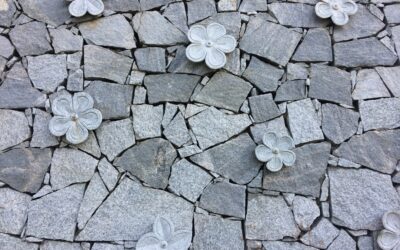
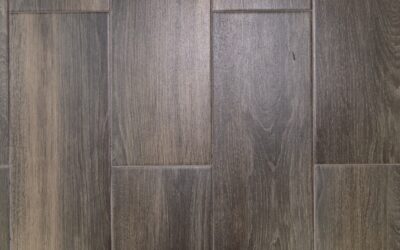
SPC vinyl flooring is available in plank formats that mimic hardwood and tile formats that replicate natural stone and ceramic tile. High-definition digital printing and embossed-in-register (EIR) texturing make modern SPC virtually indistinguishable from the real materials they imitate.
SPC Construction & Layers
| Layer | Material | Thickness | Function |
|---|---|---|---|
| UV coating | UV-cured ceramic or aluminum oxide | Micro-thin | Scratch resistance, UV protection, anti-stain |
| Wear layer | Clear PVC | 6 – 28 mil | Protects against scratches, scuffs, stains |
| Design layer | High-resolution printed film | Ultra-thin | Visual appearance — wood, stone, concrete looks |
| SPC rigid core | Limestone + PVC + stabilizers | 3.5 – 6 mm | Structural integrity, dimensional stability, click system |
| Attached underlayment | IXPE foam or cork | 1 – 2 mm | Sound reduction, comfort underfoot, moisture barrier |
The total thickness of SPC vinyl flooring typically ranges from 4 mm to 8 mm (including attached underlayment). Thicker products generally provide better sound dampening and a more substantial feel underfoot.
Pros & Cons
| Pros | Cons |
|---|---|
| 100% waterproof — ideal for wet areas | Firmer underfoot than WPC or hardwood |
| Extremely dent-resistant due to dense stone core | Can feel cold without radiant heating |
| Temperature stable — works in sunrooms & cabins | Cannot be refinished or sanded |
| Easy click-lock floating installation | Heavy boxes to handle during installation |
| Installs over most existing hard floors | Budget products can look and feel artificial |
| Pet-friendly and scratch-resistant | Not as eco-friendly as wood or bamboo |
| Wide range of realistic wood & stone looks | Does not add resale value like real hardwood |
| Very low maintenance | Seams can allow water penetration if poorly installed |
SPC vs. WPC Flooring
SPC and WPC are both rigid-core luxury vinyl products, but their core composition creates meaningful differences:
| Feature | SPC Vinyl | WPC Vinyl |
|---|---|---|
| Core material | Limestone + PVC | Wood dust + PVC |
| Core density | Very high (heavy) | Moderate (lighter) |
| Dent resistance | Excellent | Good (softer core dents more easily) |
| Comfort underfoot | Firmer | Softer, warmer |
| Temperature stability | Superior | Good |
| Thickness range | 4 – 7 mm | 5.5 – 8 mm |
| Price per sq ft | $2.50 – $6 | $3 – $8 |
| Best for | High-traffic, commercial, temperature extremes | Bedrooms, living rooms where comfort matters |
In short, choose SPC for durability and performance in demanding environments. Choose WPC if underfoot comfort is your top priority.
SPC vs. Laminate
| Feature | SPC Vinyl | Laminate |
|---|---|---|
| Waterproof | Yes — 100% | No — water-resistant only |
| Core material | Stone + PVC | HDF (high-density fiberboard) |
| Bathroom/kitchen safe | Yes | Not recommended |
| Sound underfoot | Quieter (denser core) | Can sound hollow |
| Price per sq ft | $2.50 – $6 | $1 – $5 |
SPC wins in every moisture-prone room. Laminate remains competitive in dry spaces where budget is the primary concern.
SPC vs. Hardwood
| Feature | SPC Vinyl | Solid Hardwood |
|---|---|---|
| Water resistance | 100% waterproof | Susceptible to water damage |
| Refinishing | Not possible | Can be sanded & refinished multiple times |
| Lifespan | 15 – 25 years | 50 – 100+ years (with refinishing) |
| Home resale value | Neutral impact | Significant positive impact |
| Cost per sq ft (installed) | $4 – $10 | $8 – $20+ |
| DIY friendly | Very easy (floating) | Difficult (nailing/gluing) |
Understanding Wear Layer Thickness
The wear layer is the most important factor in SPC flooring durability. Here is how different thicknesses perform:
| Wear Layer | Best Application | Expected Lifespan | Scratch Resistance |
|---|---|---|---|
| 6 mil | Light residential — bedrooms, closets | 8 – 12 years | Low |
| 12 mil | General residential — living rooms, dining areas | 12 – 18 years | Moderate |
| 20 mil | Heavy residential — kitchens, entryways, pet owners | 18 – 25 years | High |
| 28 mil | Commercial — retail, offices, restaurants | 25+ years | Very high |
For most homes, a 20-mil wear layer offers the best balance of durability and cost. Pet owners and households with children should prioritize 20 mil or higher.
Best Rooms for SPC Vinyl
| Room | Rating | Notes |
|---|---|---|
| Kitchen | Excellent | Waterproof, handles spills & dropped items |
| Bathroom | Excellent | 100% waterproof, handles daily humidity |
| Basement | Excellent | Waterproof, stable in temp fluctuations |
| Laundry room | Excellent | Handles appliance leaks without damage |
| Living room | Very Good | Durable; add area rugs for warmth |
| Bedroom | Good | Functional but WPC or carpet may feel warmer |
| Sunroom | Excellent | Temperature-stable core resists expansion |
Installation Methods
SPC vinyl flooring uses a click-lock floating installation that is among the easiest flooring installations for DIYers:
Before You Start
- Acclimate planks in the room for 48 hours
- Ensure the subfloor is clean, dry, and flat (within 3/16″ per 10 feet)
- Remove baseboards or plan to cover the expansion gap with shoe molding
Step-by-Step Process
- Install a moisture barrier over concrete subfloors (skip if product has attached underlayment)
- Start along the longest wall, tongue side facing out, with 1/4″ spacers along the wall
- Angle the long side of the second plank into the first and press down until it clicks
- Continue across the row, clicking short ends together
- Stagger end joints by at least 6 inches between rows
- Cut planks with a utility knife (score and snap) or a miter saw
- Install transition strips at doorways and where SPC meets other flooring
- Reinstall baseboards and remove spacers
Subfloor Compatibility
SPC can be installed over concrete, plywood, existing vinyl, tile, and most hard surfaces. Do not install SPC over carpet, and do not add extra underlayment if the product already has an attached pad — doubling up compromises the click-lock system.
Cost Guide
| Component | Budget | Mid-Range | Premium |
|---|---|---|---|
| SPC flooring per sq ft | $2.50 – $3.50 | $3.50 – $5.00 | $5.00 – $7.00 |
| Underlayment (if needed) | $0.25 – $0.50 | $0.50 – $0.75 | $0.75 – $1.25 |
| Professional install per sq ft | $1.50 – $3.00 | $3.00 – $4.50 | $4.50 – $6.00 |
| 500 sq ft (materials only) | $1,375 – $2,000 | $2,000 – $2,875 | $2,875 – $4,125 |
| 500 sq ft (fully installed) | $2,125 – $3,500 | $3,500 – $5,125 | $5,125 – $7,125 |
Top SPC Brands in 2026
| Brand | Popular Line | Wear Layer | Warranty | Price/sq ft |
|---|---|---|---|---|
| LifeProof (Home Depot) | Rigid Core LVP | 22 mil | Lifetime residential | $3 – $5 |
| COREtec | COREtec Pro Plus | 20 mil | Lifetime residential | $4 – $7 |
| Shaw Floorte | Pro Series 7 | 20 mil | Lifetime residential | $4 – $6 |
| Mohawk RevWood | SolidTech | 20 mil | Lifetime residential | $3.50 – $5.50 |
| MSI Everlife | Cyrus Collection | 12 – 20 mil | Lifetime residential | $2.50 – $4.50 |
Care & Maintenance
- Sweep or vacuum regularly using a hard-floor setting (no beater bar) to remove grit that can micro-scratch the surface
- Damp mop weekly with warm water or a pH-neutral vinyl cleaner
- Wipe spills promptly — while SPC is waterproof, standing water can seep into seams
- Use furniture pads under all chair and table legs to prevent scratches
- Avoid harsh chemicals — no bleach, ammonia, abrasive cleaners, or steam mops
- Use doormats at all entrances to trap grit and debris before it reaches the floor
- Manage sun exposure with curtains or UV-blocking window film in sunroom installations
Frequently Asked Questions
Is SPC vinyl flooring truly waterproof?
Yes, SPC vinyl flooring is 100% waterproof at the plank level. The stone and PVC core will not absorb water, swell, or warp. However, if water sits on the surface long enough to seep through click-lock seams, it can reach the subfloor below. Proper installation and wiping up large spills promptly prevent this from being an issue.
Can you install SPC vinyl flooring over tile?
Yes. SPC’s rigid core bridges grout lines and minor imperfections without telegraphing through. The existing tile must be flat, stable, and free of loose or cracked tiles. This is one of the biggest advantages of SPC — it eliminates the need for costly tile demolition during renovations.
Is SPC flooring good for dogs and cats?
SPC is one of the best flooring options for pets. Its dense core resists denting from pet nails, the waterproof surface handles accidents without damage, and it does not harbor pet odors like carpet. Choose a product with a 20-mil or thicker wear layer for large dog households.
How long does SPC vinyl flooring last?
SPC vinyl flooring lasts 15 to 25 years in residential settings depending on wear layer thickness and maintenance. A 20-mil product in a typical home can easily reach 20+ years. Unlike hardwood, SPC cannot be refinished — once the wear layer is gone, replacement is necessary.
Does SPC flooring look cheap?
Modern mid-range and premium SPC products look remarkably realistic thanks to high-definition printing and embossed-in-register texturing that matches the visual grain pattern. Budget products under $2.50/sq ft can look artificial, especially in plank patterns with few design variations. Spending $3.50+ per square foot generally ensures a convincing appearance.
Can SPC vinyl flooring be used with radiant heat?
Most SPC products are compatible with radiant heating systems, including hydronic and electric. The stone core handles temperature changes well. Always verify the manufacturer’s maximum temperature rating — most specify a subfloor temperature limit of 85-90 degrees Fahrenheit.
Prefer to explore on your own?
See how new flooring looks in your actual room in seconds — free, no signup.
Try the free Floor Studio →