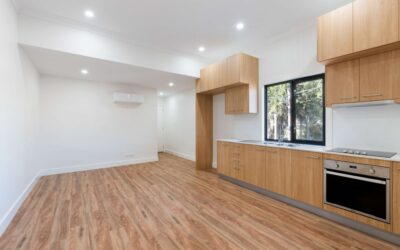
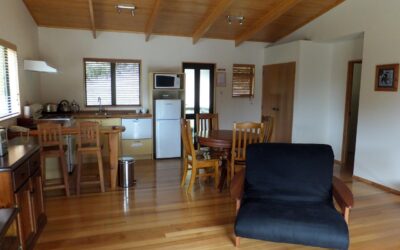
Spotted gum flooring is one of Australia’s most iconic and versatile hardwood options. Known for its exceptional hardness, stunning grain patterns, and rich color range, spotted gum (Corymbia maculata) has earned a reputation as a premium timber choice for residential and commercial projects around the world.
Whether you are building a new home or renovating an existing space, this guide covers everything you need to know about spotted gum flooring in 2026 — from species characteristics and grading to installation methods, costs, and long-term care. For broader hardwood comparisons, explore our hardwood flooring resource.
What Is Spotted Gum?
Spotted gum is a tall eucalyptus species native to the eastern coast of Australia, growing from southern Queensland through New South Wales and into Victoria. The tree reaches heights of 25 to 45 meters, producing long, straight logs that yield excellent timber for flooring, decking, and structural applications.
The name “spotted gum” comes from the tree’s distinctive bark, which sheds in patches to reveal a smooth trunk mottled with grey, cream, and green spots. The timber itself is prized for its fiddleback and wavy grain patterns, which create a three-dimensional visual effect on finished floors that few other species can match.
Key Species Characteristics
Spotted gum has a Janka hardness rating of 11 kN (approximately 2,473 pounds-force), placing it among the hardest commercially available flooring timbers in the world. For context, that is roughly twice the hardness of American red oak. This exceptional hardness translates to outstanding dent and wear resistance in high-traffic areas.
The timber has a density of approximately 1,010 kg/m3 (air-dried), moderate natural oil content, and strong resistance to termites and fungal decay. It is classified as Durability Class 2 above ground, meaning it performs well in both interior and protected exterior applications.
Color Range and Appearance
Spotted gum’s color range is one of its greatest selling points. Individual boards span from pale honey and cream through warm golden browns to deep chocolate tones. This natural variation creates a floor with remarkable depth and visual interest, especially when boards of varying shades are mixed together.
The grain pattern is typically interlocked, producing the prized fiddleback and ribbon figure that catches light differently from various angles. This chatoyancy effect makes spotted gum floors appear to shimmer and change character throughout the day as natural light shifts across the surface.
Over time, spotted gum deepens slightly in color, developing a richer, warmer tone through oxidation. This natural aging process enhances the timber’s beauty and is considered a desirable characteristic. UV exposure accelerates this change, so rooms with large windows may darken faster than less exposed areas.
Spotted Gum Flooring Grades
Australian hardwood flooring is graded by appearance, with each grade allowing different levels of natural features.
Select Grade
Select grade spotted gum has the most uniform appearance with minimal feature marks. Small, tight knots are permitted, but there are no gum veins, worm holes, or significant color variation. This grade suits contemporary, minimalist designs where a clean, consistent look is desired. It commands the highest price.
Standard Grade
Standard grade (sometimes called “medium feature”) allows moderate gum veins, small knots, minor surface checks, and greater color variation. This is the most popular grade for residential flooring because it balances visual character with a refined appearance. It represents the best value for most homeowners.
Feature Grade
Feature grade embraces the full natural character of the timber, including large gum veins, bold knots, insect trails, and the widest color variation. This grade creates rustic, characterful floors that celebrate the organic beauty of the wood. It works particularly well in country-style homes, renovated warehouses, and spaces where a strong natural aesthetic is desired.
Solid vs. Engineered Spotted Gum
Spotted gum is available in both solid timber and engineered formats, each with distinct advantages.
Solid Spotted Gum
Solid spotted gum boards are milled from a single piece of timber, typically in thicknesses of 14mm to 19mm. They can be sanded and refinished multiple times over their lifespan, potentially lasting 80 to 100 years in a residential setting. Solid boards require acclimatization and are more susceptible to expansion and contraction with humidity changes. They must be nailed or stapled to a timber or plywood subfloor — they cannot be installed over concrete without battens.
Engineered Spotted Gum
Engineered spotted gum features a 3mm to 6mm veneer of genuine spotted gum bonded to a multi-layer plywood or HDF core. This construction provides superior dimensional stability, making it suitable for installation over concrete, with underfloor heating, and in environments with greater humidity fluctuations. Engineered boards can be floated, glued, or nailed down. They can be sanded and refinished 2 to 4 times, depending on veneer thickness. For more on this format, see our engineered wood flooring guide.
Installation Methods
Proper installation is essential to getting the most out of spotted gum flooring. The high density and hardness of this timber require specific techniques.
Acclimatization
Store spotted gum in the installation environment for a minimum of two weeks before installation, ideally longer. Open the packaging and stack boards with spacers to allow air circulation on all sides. The timber needs to reach equilibrium moisture content with the room — typically 10 to 12 percent for most Australian climates. Skipping acclimatization is the leading cause of gaps, cupping, and buckling in hardwood floors.
Secret Nailing
The traditional method for solid spotted gum is secret (blind) nailing through the tongue at a 45-degree angle using a pneumatic flooring nailer. Pre-drill pilot holes if the timber is particularly dense to prevent splitting. Use 50mm stainless steel or galvanized staples or cleats. Secret nailing creates a clean surface with no visible fasteners.
Direct Stick (Glue Down)
Both solid and engineered boards can be glued directly to concrete or plywood using a flexible polyurethane adhesive. Direct stick installation produces the quietest floor with minimal hollow sounds. Apply adhesive with a notched trowel at the coverage rate specified by the adhesive manufacturer. This method works well for spotted gum because the rigid glue bond helps control the timber’s natural movement.
Floating
Engineered spotted gum with click-lock profiles can be floated over an underlay on concrete or existing hard floors. Floating installation is the fastest method and allows easy replacement. However, it can produce a hollow sound underfoot that some homeowners find less satisfying than nailed or glued installations.
Finishing Options
The finish you apply to spotted gum dramatically affects its appearance and maintenance requirements.
Polyurethane
Water-based polyurethane is the most common finish for spotted gum in Australia. It dries clear, does not yellow over time, and is available in matte, satin, and gloss sheens. Apply three to four coats with light sanding between coats. Satin is the most popular sheen level, offering a natural look with moderate reflection.
Oil-Based Finishes
Hardwax oils and penetrating oils soak into the timber rather than forming a surface film. They enhance spotted gum’s natural grain and provide a warm, tactile feel. Oil-finished floors require more frequent maintenance (recoating every 1 to 3 years) but can be spot-repaired without sanding the entire floor. They are increasingly popular for their natural aesthetic.
Pre-Finished
Many spotted gum products come pre-finished at the factory with UV-cured coatings that are harder and more durable than site-applied finishes. Pre-finished boards install faster because you skip the sanding and coating stages, and you can walk on the floor immediately after installation.
Spotted Gum Flooring Costs in 2026
Spotted gum pricing varies by format, grade, and board width.
Solid spotted gum boards range from AUD $60 to $110 per square meter for supply only in 2026. Standard grade in 80mm to 130mm widths falls in the mid-range. Wide boards (180mm and above) and select grade command premium prices.
Engineered spotted gum ranges from AUD $70 to $130 per square meter, with wider boards and thicker veneers at the higher end.
Professional installation costs AUD $35 to $60 per square meter for nailing, $40 to $65 for direct stick, and $25 to $40 for floating. Sanding and finishing add $25 to $45 per square meter if you choose unfinished boards.
A typical 100-square-meter living area in standard-grade solid spotted gum with professional installation and site-applied finish runs approximately AUD $12,000 to $18,000 all-inclusive.
Spotted Gum vs. Other Hardwoods
Understanding how spotted gum compares to alternatives helps confirm whether it is the right choice for your project.
Spotted gum vs. blackbutt. Blackbutt is slightly softer (9.1 kN Janka) with a more uniform, lighter color range. Spotted gum offers more dramatic grain patterns and greater hardness. Both are excellent Australian hardwoods; the choice often comes down to aesthetic preference.
Spotted gum vs. tallowwood. Tallowwood is oilier and better suited for outdoor applications. Spotted gum has a broader color range and more pronounced grain character for interior floors.
Spotted gum vs. oak. European and American oak are softer (5 to 6 kN Janka), more uniform in color, and significantly cheaper. Spotted gum is the superior choice for durability and visual impact, while oak offers a quieter, more understated aesthetic that works well in Scandinavian and contemporary designs.
Maintenance and Care
Spotted gum flooring is relatively low maintenance thanks to its natural hardness, but following best practices extends its life and appearance.
Use felt pads under all furniture legs and replace them annually. Place mats at all exterior doorways to catch grit and moisture. Avoid dragging heavy objects across the surface. Use a microfiber dust mop daily for loose debris and a damp (not wet) mop with a pH-neutral wood floor cleaner weekly.
Maintain indoor humidity between 40 and 60 percent to minimize seasonal expansion and contraction. Air conditioning and heating systems can dry the air below this range, so consider a humidifier during winter in climate-controlled homes.
Polyurethane-finished floors typically need recoating every 8 to 12 years in residential settings. Oil-finished floors need more frequent attention but allow easier spot repairs. A full sand-and-refinish — returning the floor to bare timber and applying new finish — can be done every 20 to 30 years, essentially giving you a brand-new floor each time.
Sustainability Considerations
Spotted gum sourced from responsibly managed Australian forests carries AFS (Australian Forestry Standard) or PEFC certification. These programs ensure harvested timber is replaced through regrowth and replanting. Choosing certified spotted gum supports sustainable forestry practices and provides documentation for green building programs.
As a natural, long-lasting material that can be refinished rather than replaced, spotted gum has a lower lifecycle environmental impact than many synthetic flooring alternatives that end up in landfill after 15 to 20 years.
Final Thoughts
Spotted gum flooring delivers an unmatched combination of hardness, beauty, and Australian character. Its dramatic grain patterns, rich color variation, and exceptional durability make it a premium choice that adds real value to any home. While it requires proper installation technique and ongoing care, the reward is a floor that looks stunning for generations. For homeowners who value natural materials and long-term performance, spotted gum is hard to beat. Browse our hardwood flooring guide for more timber species comparisons and care advice.
Prefer to explore on your own?
See how new flooring looks in your actual room in seconds — free, no signup.
Try the free Floor Studio →