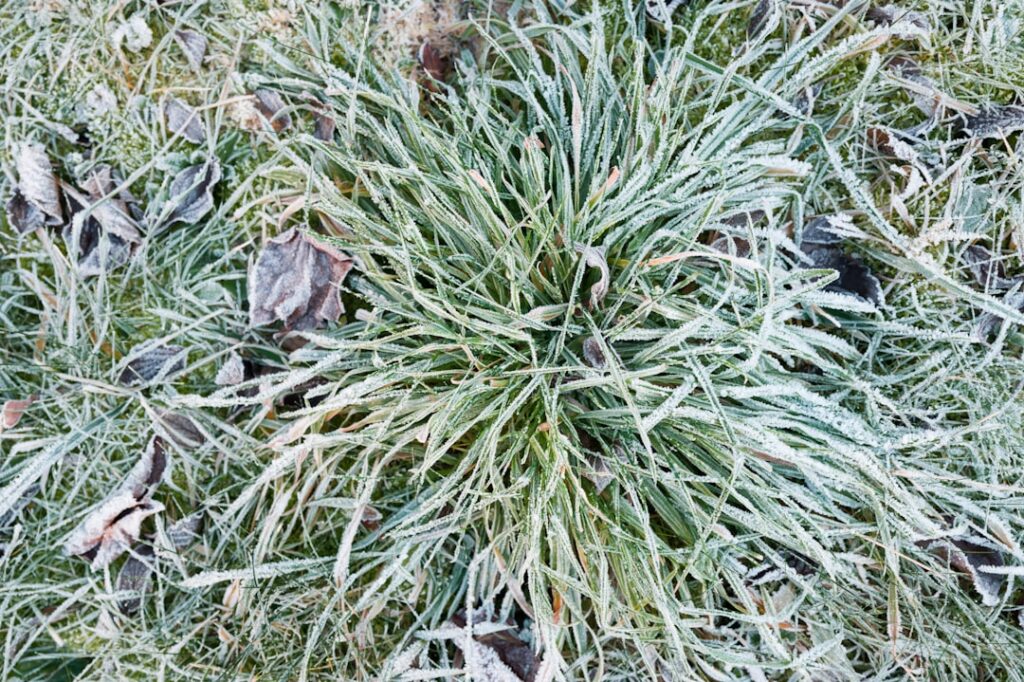
Watching a lush, blue-green St. Augustine lawn fade to straw-brown as the first cold fronts roll through can rattle any homeowner who spent all summer keeping it thick. Caring for St. Augustine grass in winter is mostly about understanding that this warm-season grass is genetically built to slow down and go dormant when temperatures drop, and your job is to support that natural rest rather than fight it. St. Augustine has the least cold tolerance of the common southern lawn grasses, so it browns earlier and greens up later than Bermuda or Zoysia, and a hard freeze can genuinely kill poorly prepared turf. The good news is that a few targeted adjustments to watering, mowing, feeding, and frost protection carry it through the cold season and set it up for a strong spring rebound.
- Why St. Augustine Browns When It Gets Cold
- The Real Threat: Freeze Damage Versus Dormancy
- Preparing Your Lawn Before the First Frost
- Mowing St. Augustine Through the Cold Months
- Watering Requirements Drop Sharply
- Protecting the Lawn During a Hard Freeze
- Winter Weeds and Pests to Watch
- Bringing St. Augustine Back to Life in Spring
Why St. Augustine Browns When It Gets Cold
St. Augustinegrass is a warm-season species that grows actively only when soil temperatures stay above roughly 65°F. As days shorten and soil cools into the 50s, growth slows, and once temperatures approach freezing, the grass enters dormancy, pulling energy down into its stolons and roots and letting the blades brown. This is not death; it is the plant conserving resources to survive the cold.
Where you live determines how dramatic this looks. In frost-free parts of South Florida, zones 10 and 11, St. Augustine may stay green all winter with only minor slowing. Across the rest of its range, zones 8 and 9 through the Gulf Coast and coastal Southeast, it typically browns after the first hard frost and stays tan until spring. It is only marginally winter-hardy above zone 8, which is why you rarely see it holding up further north.
The Real Threat: Freeze Damage Versus Dormancy
Ordinary dormancy is harmless, but St. Augustine’s thin cold tolerance means a severe or prolonged freeze can outright kill sections of lawn. The danger point comes when air temperatures fall below about 20°F, or when a hard freeze lingers for several consecutive days, especially on turf that is already stressed or was mowed too short going into winter.
The most vulnerable variety is Floratam, the widely planted cultivar bred for chinch bug and disease resistance but notably weak on cold hardiness. More cold-tolerant selections like Raleigh, Palmetto, and Mercedes hold up better in the upper part of the range. If you are in zone 8 and choosing a variety, cold tolerance should weigh heavily in your decision.
Preparing Your Lawn Before the First Frost
Winter survival is largely won in the fall. The single most important preparation is your last fertilizer application. Feed St. Augustine with a potassium-rich, low-nitrogen fall fertilizer, something like a 5-10-30 or a winterizer blend, about six to eight weeks before your average first frost. Potassium strengthens cell walls and improves cold hardiness, while late-season nitrogen does the opposite, forcing tender growth that freeze-burns easily.
- Stop applying nitrogen once nighttime temperatures regularly drop into the 50s.
- Make your final fall potassium feeding six to eight weeks before the expected first frost.
- Raise your mowing height in late fall to give the grass more leaf surface and insulation.
- Clear fallen leaves so the canopy is not smothered under wet, matted debris.
Mowing St. Augustine Through the Cold Months
Mowing needs shift as the grass slows. During the growing season, St. Augustine does best at 3.5 to 4 inches, and you should keep it on the tall end heading into winter. A taller canopy insulates the crowns and stolons, protecting the growing points from cold that would damage a scalped lawn.
Once the grass goes fully dormant and stops growing, you can stop mowing entirely until spring. Resist any urge to cut dormant St. Augustine short; the brown blades are actually shielding the living tissue below. If a warm winter keeps it growing slightly in the frost-free South, mow only as needed to maintain height, never removing more than a third of the blade at once. Keep foot and mower traffic off frozen or frost-covered turf, since walking on frosted blades ruptures the frozen cells and leaves footprint-shaped dead spots.
Watering Requirements Drop Sharply
Dormant grass uses very little water, so overwatering in winter is a common and damaging mistake. Cut your irrigation back dramatically once the lawn slows, since soggy, cold soil invites fungal disease and can rot stressed roots. In most winters, natural rainfall supplies all the moisture a dormant St. Augustine lawn needs.
There is one important exception: watering for freeze protection. Lightly moist soil holds and releases heat better than dry soil, so giving the lawn a modest watering the day before a hard freeze can raise the soil temperature enough to buffer the roots. Do this in daylight so blades are not sitting wet overnight, and only ahead of an unusually severe freeze, not as routine winter watering.
Protecting the Lawn During a Hard Freeze
When a genuine hard freeze or rare snow event is forecast for a marginal zone, a few short-term steps reduce the odds of losing turf. Pre-water the day before as described to leverage soil heat. For small or especially valuable sections, you can cover the grass overnight with frost cloth, burlap, or old sheets, weighting the edges so cold air cannot slip underneath, then remove the covering once temperatures rise the next day.
Avoid plastic laid directly on the blades, which conducts cold and can worsen damage where it touches the grass. After a freeze, be patient before assuming the worst. Frost-burned tips are cosmetic, and only turf whose stolons and crowns were killed will fail to recover, which you will not know for certain until spring green-up reveals which areas flush back.
Winter Weeds and Pests to Watch
A dormant lawn is an open invitation to cool-season weeds, which grow while your grass sleeps and can take over the thin, brown canopy. Annual bluegrass, henbit, chickweed, and clover all germinate in fall and thrive through winter across the South. The most effective defense is a pre-emergent herbicide applied in early fall, before soil temperatures drop into the low 70s, which stops these weeds before they sprout. If they are already established, a post-emergent product labeled safe for St. Augustine controls them, but read the label carefully, since this grass is sensitive to several common broadleaf herbicides and to atrazine timing.
Insect pressure drops in winter as chinch bugs and other warm-season pests go dormant, but disease can rise. Large patch, formerly called brown patch, is the main cold-season fungal threat, appearing as expanding circular areas of thinned, tan grass in the cooler, wetter weeks of late fall and early spring. Avoid it by cutting back on water, never irrigating at night, and holding off on nitrogen until the lawn is fully active. A preventive fungicide in fall helps on lawns with a history of the disease.
Bringing St. Augustine Back to Life in Spring
Dormant St. Augustine begins to green up when soil temperatures climb back above 65°F consistently, usually mid to late spring depending on your location. Do not rush it. Hold off on the first nitrogen feeding until you see the lawn actively growing and greening, typically three to four weeks after the last frost, because feeding too early wastes fertilizer and can push tender growth into a late cold snap.
Once growth resumes, drop the mowing height gradually to remove winter-browned tips, aerate if the soil is compacted, and watch for any patches that stayed brown while the rest greened, since those likely suffered freeze kill and will need plugging or resodding. Give your first spring feeding as a balanced fertilizer once the lawn is fully green, then resume your normal warm-season schedule.
To fill freeze-killed spots, cut fresh St. Augustine plugs or sod pieces and press them firmly into loosened soil at 12-inch spacing, keeping them watered until the stolons run and knit the gaps closed over a few warm weeks. With the right fall preparation and a hands-off winter, most St. Augustine lawns sail through the cold and rebound thick and blue-green by early summer, rewarding the patience you showed while it rested.