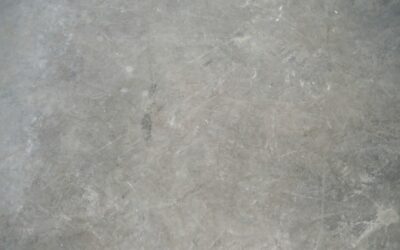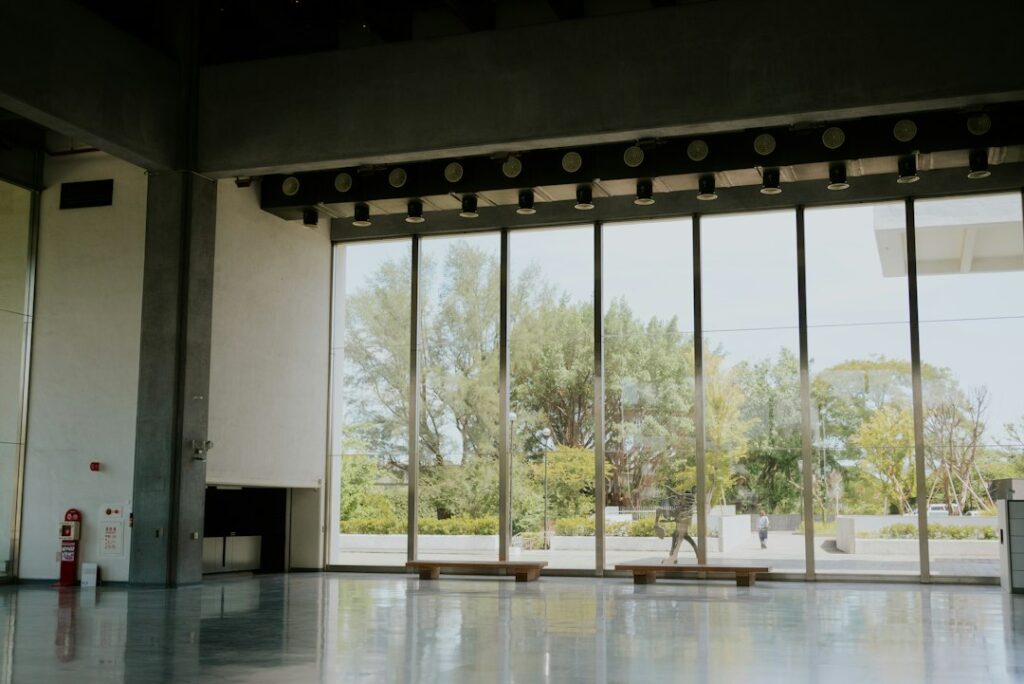
Staining an existing slab is one of the cheapest ways to get a finished, durable floor, but the price swings wildly based on one factor most people overlook: prep. Professional stained concrete cost typically runs about $2 to $8 per square foot for a basic one-color job and $8 to $15 or more for multi-color, scored or highly decorative work. DIY materials usually come in around $0.50 to $2 per square foot.
Where your project lands in those ranges depends on whether you choose acid or water-based stain, how much grinding or coating removal the slab needs, the sealer you pick and the size of the space. A clean, newer basement slab is cheap to stain. A garage with oil stains, old paint and cracks costs far more before any color goes down.
- Stained Concrete Cost at a Glance
- What Drives the Price
- Acid Stain vs Water-Based Stain Cost
- DIY Stained Concrete Cost Breakdown
- Professional Installer Pricing
- Garage vs Interior Pricing
- Sample Project Budgets
- How Stained Concrete Compares With Other Finishes
- Ways to Save Money
- Safety Considerations for DIY
- When to Hire a Pro
- Frequently Asked Questions
The breakdown that follows covers interior floors and garages, with notes on how stained concrete price compares with other finishes and where DIY savings are realistic.
Stained Concrete Cost at a Glance
| Project type | DIY (per sq ft) | Professional (per sq ft) |
|---|---|---|
| Basic single-color water-based stain | $0.50 to $1.50 | $2 to $5 |
| Acid stain with sealer | $0.75 to $2 | $3 to $8 |
| Multi-color, scored or saw-cut patterns | Not typical | $8 to $15+ |
| Stain plus epoxy or urethane topcoat | $1.50 to $3.50 | $5 to $12 |
Most contractors also set a minimum job charge, often several hundred to over a thousand dollars, so small rooms cost more per square foot than large open areas.
What Drives the Price
Surface Preparation
Prep is often 30 to 50 percent of a professional quote. A clean, unsealed slab may need only scrubbing and a light etch. Removing carpet glue, tile mastic, paint or old sealer requires grinding, which adds roughly $1 to $3 per square foot. Crack repair and patching add more, and patched areas absorb stain differently, so contractors may recommend a color that hides them.
Type of Stain
Acid stain costs a little more per gallon and requires neutralizing and rinsing, which adds labor. Water-based stains and dyes are often cheaper to apply, offer a wider color range and are lower in odor. Acid gives natural mottled variation, while water-based gives more predictable, uniform color.
Design Complexity
A single color is the cheapest. Each additional color, hand-applied effect, scored grid, saw-cut border or stenciled pattern adds labor time. Faux-tile layouts or logos can double the per-foot price.
Sealer and Topcoat
A basic acrylic sealer is inexpensive and easy to reapply. Penetrating sealers, polyaspartic, epoxy and urethane systems cost more but last far longer, especially in garages that see hot tires, road salt and chemicals.
Location and Access
Labor rates vary by region. Basements with tight stairs, rooms full of furniture and occupied homes take longer than empty new construction.
Acid Stain vs Water-Based Stain Cost
Acid stain material typically costs about $0.20 to $0.50 per square foot for one coat, but the process includes extra steps: application, a dwell time of several hours, neutralizing with a baking soda or ammonia solution, multiple rinses and complete drying before sealing. That labor raises professional pricing. The look, a variegated, stone-like finish in earthy browns, tans, greens and blues, is what you pay for.
Water-based stains generally cost about $0.15 to $0.50 per square foot in material and go on faster with no neutralizing step. They come in nearly any color, including whites, grays and blacks that acid stains cannot produce. For a modern, uniform gray or charcoal, water-based stain is usually the more economical route.
DIY Stained Concrete Cost Breakdown
For a 400 square foot basement or garage, a typical DIY budget looks like this:
- Concrete cleaner and degreaser: modest cost, usually one or two jugs
- Etching solution or rented floor sander: optional, a rental day for a floor buffer or grinder costs roughly $75 to $250
- Stain or dye: about 2 to 4 gallons for two coats, depending on porosity
- Sealer: 2 to 4 gallons for two coats
- Pump sprayer, rollers, microfiber pads, tape and plastic
- Safety gear: respirator, chemical gloves, goggles, rubber boots
All-in, DIY totals of roughly $250 to $800 for 400 square feet are common, depending on product quality and whether you rent equipment. Kits that bundle cleaner, stain and sealer simplify shopping but can cost more per foot than buying separately. Budget extra stain for a test patch, which is the cheapest insurance against a color you dislike.
Professional Installer Pricing
A pro quote usually covers moving light items, prep, masking, application, sealing and cleanup. On a 400 square foot slab, a straightforward single-color job might total roughly $1,000 to $2,500. A 1,500 square foot open-plan interior with grinding and a two-tone design could run $6,000 to $15,000 or more.
When comparing bids, ask whether the quote includes:
- Coating or adhesive removal and how it will be done
- Crack repair and patching
- Number of stain and sealer coats
- Sealer type and expected recoat interval
- Furniture moving and protection of walls and trim
- Warranty on peeling or delamination of the sealer
Garage vs Interior Pricing
Garages often cost more per square foot than basements because of oil stains, tire marks and the need for a tougher topcoat. Hot tires can lift soft acrylic sealers, so most pros recommend a urethane or polyaspartic topcoat in garages, which pushes the price toward the higher end. Interior living spaces may cost more for multi-color designs and careful masking around finished walls and cabinets.
Sample Project Budgets
Real numbers help more than ranges, so here are three typical scenarios based on common market pricing. Your local quotes may differ, but the proportions between prep, stain and sealer tend to hold.
Unfinished Basement, 600 Square Feet
A clean slab with no prior coatings needs a scrub, a light etch and two coats of a gray water-based stain under a matte acrylic sealer. A homeowner doing the work spends roughly $400 to $900 on supplies and a buffer rental. A contractor would likely quote about $1,800 to $3,600, with most of that being labor for prep, masking and two sealer coats. Moisture testing is worth adding here, because basement slabs that wick water can cause sealer to cloud or peel.
Two-Car Garage, 450 Square Feet
Oil spots, tire marks and a worn painted section push prep costs up. Expect grinding, degreasing and crack filling before a tan acid stain, then a urethane or polyaspartic topcoat with slip-resistant grit. DIY is possible for around $600 to $1,400 if you rent a grinder, but many people hire this one out, with quotes often landing between $2,500 and $5,000 because of the heavier prep and the tougher coating.
Open-Plan Main Floor, 1,200 Square Feet
After pulling carpet and vinyl, the slab still carries adhesive residue. A pro grinds it off, patches tack-strip holes, applies a two-tone acid stain with a scored border at the entry, and finishes with a penetrating sealer plus a sacrificial floor finish. Totals in the $7,000 to $14,000 range are typical. The design work and adhesive removal account for much of the price, which is why a single color on a clean slab costs so much less.
How Stained Concrete Compares With Other Finishes
Stained concrete sits at the budget end of finished concrete options. Polished concrete costs more because of multi-step grinding and densifying. Epoxy floors land in a similar or higher range depending on the system. Compared with tile, hardwood or luxury vinyl installed over the slab, stained concrete price is often a fraction of the total installed cost, with no subfloor or underlayment needed.
Long-term costs matter too. Plan on resealing every 1 to 3 years for acrylic sealers in traffic areas, or longer for urethane and epoxy topcoats. Resealing is far cheaper than the original job and keeps the color looking fresh.
Ways to Save Money
- Choose a single color with natural variation rather than complex patterns.
- Stain during new construction before walls are painted and furniture arrives.
- Do the demolition yourself, such as pulling carpet and tack strip, but leave adhesive removal to the pro if it requires grinding.
- Combine several rooms into one project to spread the minimum charge.
- Pick a durable sealer upfront to avoid frequent recoats.
Safety Considerations for DIY
Acid stains and solvent sealers release strong fumes. Ventilate well, wear a respirator suited to the product, chemical gloves and eye protection, and never mix cleaners, acids or neutralizers unless the label says to. Turn off pilot lights in basements and garages when using flammable products. In homes built before the 1980s, test old flooring and black adhesive for asbestos before grinding or scraping.
When to Hire a Pro
Hire a decorative concrete contractor if the slab has old coatings, widespread cracks, moisture issues or if you want polished, scored or multi-color work. A pro is also worth it for large open floors where lap marks would be obvious. For a clean basement or garage slab and a single color, DIY can cut the stained concrete cost by more than half.
Frequently Asked Questions
How much does it cost to stain concrete per square foot?
Professional work typically runs $2 to $8 per square foot for basic jobs and $8 to $15 or more for decorative work. DIY materials are about $0.50 to $2 per square foot.
Is acid stain more expensive than water-based stain?
Material cost is similar, but acid stain needs neutralizing and rinsing, which adds labor and usually raises professional pricing.
Is stained concrete cheaper than epoxy?
Usually yes for a basic stain and acrylic sealer. Adding an epoxy or urethane topcoat brings costs closer to an epoxy floor.
How long does stained concrete last?
The stain itself is permanent in the slab. The sealer wears and typically needs recoating every 1 to 3 years in busy areas.
Can I stain an old concrete floor?
Yes, if old sealers, paint and adhesive are removed so the stain can penetrate. Prep adds cost, and patched areas may show through.