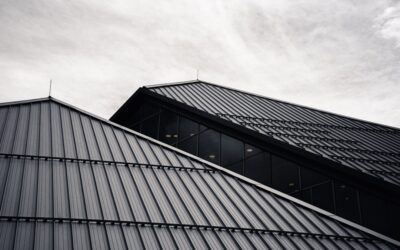
The standing seam metal roof cost for most homes lands somewhere around $10 to $20 per square foot installed, which works out to roughly $1,000 to $2,000 per roofing square (100 sq ft). That range is wide because two choices drive most of the price: the metal (steel or aluminum, sometimes copper or zinc) and the seam (snap-lock or mechanically seamed). Roof shape, tear-off and trim add the rest.
Part of our Roofing guide — explore the full guide →
Compared with asphalt shingles, you are paying two to three times more up front. In return you get a roof that can last 40 to 70 years, sheds snow, resists wind and needs little maintenance. Here is where each dollar goes, so you can read a contractor quote line by line.
- Standing Seam Metal Roof Cost at a Glance
- Panel Material: Steel vs Aluminum
- Seam Type: Snap-Lock vs Mechanical Seam
- Labor and Installation
- Trim, Underlayment and Tear-Off
- Sample Cost: A 2,000 Sq Ft House
- Long-Term Value vs Shingles
- How to Lower Your Cost Without Cutting Corners
- Red Flags in a Quote
- Safety and When to Hire a Pro
- Frequently Asked Questions
Standing Seam Metal Roof Cost at a Glance
| Item | Typical range |
|---|---|
| Installed cost per sq ft | About $10 to $20 |
| Installed cost per square | About $1,000 to $2,000 |
| Premium metals (copper, zinc) | About $25 to $40+ per sq ft |
| Tear-off of one shingle layer | About $1 to $3 per sq ft |
| Typical 2,000 sq ft home (about 24 squares) | About $25,000 to $50,000 |
These are general national ranges. Coastal areas, high-cost metros and steep roofs push toward the top, while simple gable roofs in lower-cost regions sit near the bottom.
Panel Material: Steel vs Aluminum
Galvalume or galvanized steel
Most residential standing seam roofs use 24- or 26-gauge steel with a metallic coating (aluminum-zinc or zinc) and a factory paint finish. Steel is strong, dent-resistant and the most affordable option. Standing seam steel roof cost for panels alone often runs about $4 to $8 per sq ft, with 24-gauge costing more than 26-gauge but resisting oil-canning (visible waviness) and hail better.
Aluminum
Aluminum does not rust, which makes it the default for homes within a few miles of saltwater. It is lighter and softer, so it dents more easily and usually costs about 20 to 40 percent more than steel for comparable panels. Expect panel material in roughly the $6 to $11 per sq ft range.
Copper and zinc
These are architectural metals that develop a natural patina and can last a century. They are priced as luxury materials and require installers experienced in soldering and specialty seaming.
Paint finish
Premium fluoropolymer (PVDF) coatings hold color longer and resist chalking better than standard polyester finishes. The upgrade typically adds a modest amount per square and is usually worth it for dark colors and sunny climates.
Seam Type: Snap-Lock vs Mechanical Seam
The seam is the raised rib where panels join, and it has a big influence on standing seam metal roof installation cost.
- Snap-lock panels click together by hand. They install faster, need fewer specialty tools and cost less in labor. They work well on roofs with a pitch of about 3:12 or steeper.
- Mechanical seam panels are folded closed with a powered seamer, in single-lock (90 degree) or double-lock (180 degree) profiles. They are more watertight and wind-resistant, which suits low slopes, high-wind zones and heavy snow. Expect labor and material to run roughly 10 to 25 percent higher than snap-lock.
Panels are attached with concealed clips. Fixed clips handle short runs, while floating clips let long panels expand and contract with temperature. Long runs on a south-facing roof can move a surprising amount in summer heat, so ask which clip system is specified.
Labor and Installation
Labor is usually 40 to 60 percent of the total standing seam metal roof price. It is skilled work: panels are often roll-formed on site to the exact length of each roof plane, then cut, hemmed and seamed around every edge and penetration. Crews that specialize in metal charge more than shingle crews, and they are worth it, since poor detailing at valleys and chimneys is where metal roofs leak.
Factors that raise labor cost:
- Pitch: roofs steeper than about 8:12 require extra fall protection and slow the crew.
- Complexity: hips, valleys, dormers and skylights each need custom flashing.
- Height: two- and three-story homes need more staging and safety equipment.
- Access: tight lots limit where the panel machine can sit.
- Region and season: busy seasons and high-wage markets add to the bill.
Trim, Underlayment and Tear-Off
Several line items sit outside the panel price:
- Tear-off and disposal: removing one layer of shingles typically adds about $1 to $3 per sq ft. Some codes allow metal over a single layer of shingles, but most pros recommend tear-off so they can inspect the decking.
- Decking repair: rotted plywood or OSB is replaced per sheet, often at about $70 to $120 per sheet installed.
- Underlayment: a high-temperature synthetic or peel-and-stick underlayment is standard under metal, since panels can get very hot.
- Trim and flashing: drip edge, rake trim, ridge cap, eave trim, valley flashing and pipe boots can add a meaningful share of the material bill on a complex roof.
- Snow guards: recommended in snow country to keep sheets of snow from sliding onto walkways, typically priced per linear foot or per guard.
- Permits: usually a few hundred dollars, depending on your municipality.
Sample Cost: A 2,000 Sq Ft House
A 2,000 sq ft single-story house with a 6:12 gable roof typically has about 2,300 to 2,500 sq ft of roof surface once you add pitch and overhangs. Call it 24 squares. Here is how a mid-range steel snap-lock job might break down:
| Line item | Approximate cost |
|---|---|
| 24-gauge steel panels, PVDF finish | $12,000 to $16,000 |
| Trim, flashing, clips, fasteners | $3,000 to $5,000 |
| Synthetic high-temp underlayment | $1,500 to $2,500 |
| Tear-off and disposal (one layer) | $2,400 to $6,000 |
| Installation labor | $10,000 to $16,000 |
| Permit and misc. | $300 to $800 |
| Total | About $29,000 to $46,000 |
Switch to aluminum with mechanical seams and the same house could reach $40,000 to $55,000. A simpler roof in a lower-cost region with 26-gauge snap-lock steel might come in near $25,000.
Long-Term Value vs Shingles
Sticker shock fades when you spread the price over the roof’s life. An asphalt roof on the same house might cost roughly $12,000 to $20,000 but often needs replacement every 20 to 25 years. Over 50 years you could pay for two or three shingle roofs, plus the tear-off each time, while a single standing seam roof keeps going. Metal also reflects more summer heat, especially in lighter colors, which can trim cooling bills in hot climates.
Maintenance is light. Plan on a visual check every year or two and after major storms, clearing debris from valleys and gutters, and touching up scratches with the manufacturer’s matching paint. Sealant at pipe boots and some flashings may need attention every decade or so.
How to Lower Your Cost Without Cutting Corners
- Get three itemized quotes from installers who specialize in standing seam, and compare gauge, finish, seam type and underlayment line by line.
- Choose snap-lock if your roof pitch and wind exposure allow it.
- Pick 24-gauge steel instead of aluminum unless you live near the coast.
- Schedule off-season in late fall or early spring when crews have openings.
- Bundle gutters or skylight replacements into the same job to save on staging.
- Check incentives for cool-roof coatings and insurance discounts for impact-rated roofs in hail regions.
Red Flags in a Quote
- No gauge or finish listed for the panels
- Exposed-fastener panels described as “standing seam”
- Standard felt underlayment under metal instead of a high-temperature product
- No mention of clip type on long panel runs
- No allowance for rotted decking, which leads to surprise change orders
- Vague workmanship warranty, or one shorter than a few years
Safety and When to Hire a Pro
Standing seam metal roof installation is not a DIY project for most homeowners. Metal panels are slick, sharp-edged and catch wind like a sail, and a mistake at a valley or chimney can cause leaks that rot decking for years before you notice. Professional crews use roof anchors, harnesses and proper ladder setup, and they carry the seaming tools needed for a watertight lock. Even a simple inspection should be done from a properly secured ladder, and any work on a two-story roof belongs with a pro. Confirm the contractor is licensed and insured where your state requires it, pulls the permit and offers both a workmanship warranty and the manufacturer’s finish warranty in writing.
Frequently Asked Questions
How much does a standing seam metal roof cost per square?
Most installed projects fall around $1,000 to $2,000 per square, depending on metal, seam type, roof complexity and region. Copper and zinc cost considerably more.
Is standing seam cheaper than exposed-fastener metal roofing?
No. Exposed-fastener panels often cost about half as much, but the screws pierce the panels and need resealing over time. Standing seam hides its fasteners and generally lasts longer with less maintenance.
Can standing seam go over existing shingles?
Some local codes allow it over one layer, but many installers recommend tear-off so they can inspect and repair the decking. Removal adds roughly $1 to $3 per sq ft.
How long does a standing seam metal roof last?
Steel standing seam roofs commonly last 40 to 70 years, and paint finishes are often warrantied for decades. Copper and zinc roofs can last even longer.
Does a standing seam roof increase home value?
It often improves resale appeal and can lower insurance premiums in hail or wildfire regions. Buyers value the long service life, though you may not recover the full cost at sale.