I have cleaned more post-renovation floors than I can count, and a good steam cleaner is the one machine I recommend to almost every tile-owning client. Steam at 200 to 240 degrees Fahrenheit dissolves grease film, lifts grout haze, and sanitizes without leaving chemical residue that dulls the finish, which is exactly what most mop-and-bucket routines get wrong. But the category is a mess: a $60 steam mop and a $1,500 commercial canister both get called steam cleaners, and buying the wrong type for your job is the fastest way to decide steam does not work. This guide sorts the types, tells you which floors can and cannot take steam, and gives you my picks by budget and use case.
The Three Types of Steam Cleaner, and Which One You Actually Need
| Type | Price Range | Steam Pressure | Best For |
|---|---|---|---|
| Steam mop | $50-$180 | Low (flow-through, no boiler pressure) | Sealed tile, vinyl, laminate maintenance cleaning |
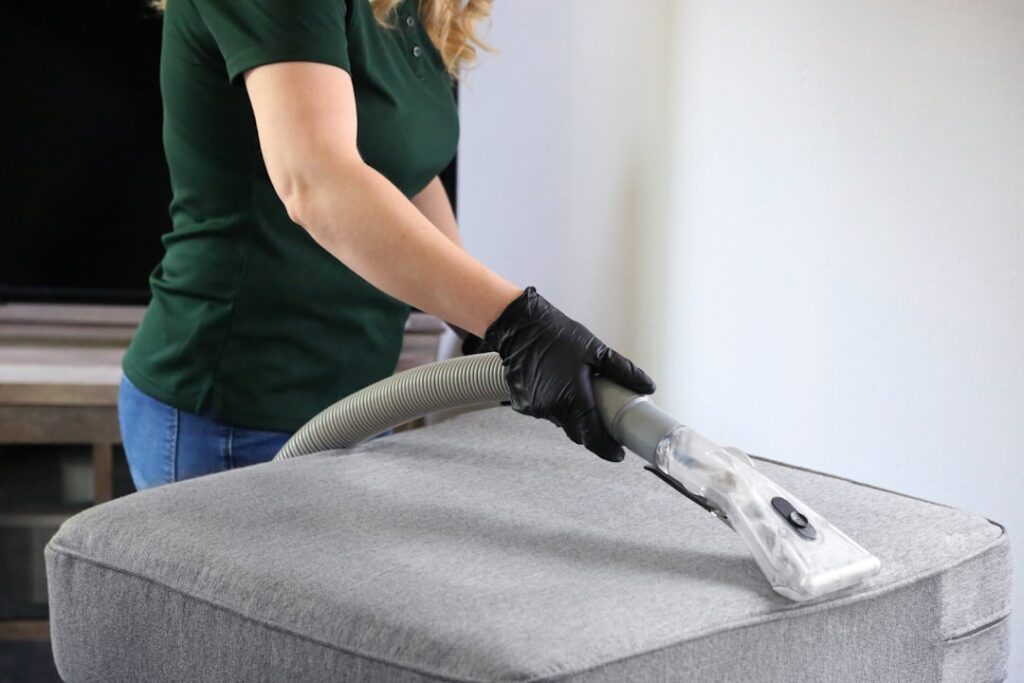
| Handheld steam cleaner | $35-$100 | Low to moderate | Grout lines, fixtures, small areas, upholstery |
| Canister steam cleaner | $150-$600 residential; $1,000+ commercial | High (40-75 psi boiler) | Deep grout cleaning, whole-house work, detail attachments |
Here is the practical translation. A steam mop is a maintenance tool: it keeps an already-clean floor clean and sanitized. It will not blast ten years of dirt out of grout lines, because it has no boiler pressure behind the steam. A handheld gets you concentrated steam through a nozzle, which is why it out-cleans a steam mop on grout even though it costs less. A canister unit with a pressurized boiler is the only type that genuinely deep-cleans grout across a whole floor without you scrubbing on your knees. Match the machine to the job and steam delivers; mismatch it and you will be disappointed.
My Picks by Use Case
Best for Everyday Tile and Vinyl Floors: A Quality Steam Mop
For weekly cleaning of sealed tile, luxury vinyl, and linoleum, a mid-range steam mop in the $80 to $120 bracket is the sweet spot. Look for a unit with adjustable steam output, a 12-inch or wider swivel head, washable microfiber pads, and at least 15 minutes of steam per tank. The under-$60 units heat slower, drip more, and their pads mat down within a month. I tell clients to buy at least four extra pads on day one, because a saturated pad just pushes dirty water around, and you should be swapping pads every 300 to 400 square feet.
Best for Grout: A Handheld or Canister with a Detail Brush
Grout is where steam earns its keep. A $40 to $70 handheld with a nylon detail brush attachment will restore grout in a bathroom over a weekend: steam softens the embedded soil, the brush agitates it, and you wipe the slurry away with a towel. For a whole kitchen or an open-plan main floor, step up to a canister unit in the $150 to $300 range with at least 40 psi of boiler pressure. The difference in speed is dramatic, roughly three to four times faster than a handheld over the same grout footage, because the pressurized steam does the agitation for you.
Best All-in-One: A Two-in-One Mop with Detachable Handheld
The convertible units in the $100 to $160 range give you a steam mop that pops apart into a handheld with attachments. They are a genuine value for small homes and apartments. The compromise is tank size, usually 11 to 13 ounces, which means refills every 12 to 15 minutes of continuous use. Fine for 800 square feet, tedious for 2,500.
Best Heavy-Duty: A Boiler Canister at 55+ PSI
If you own a lot of tile, have pets, or want one machine for floors, ovens, showers, and car interiors, buy a boiler-style canister steam cleaner in the $250 to $500 range. Look for 55 to 75 psi, a heat-up time under 8 minutes, a 40-plus-ounce tank, and a full attachment set: floor head, detail nozzles, brass and nylon brushes, and a squeegee for glass. These are the machines that actually replace chemicals in a household. Expect 45 minutes to an hour of steam per fill.
Which Floors Can Take Steam, and Which Cannot
This is where I get firm with clients, because steam misused causes real damage.
- Safe: glazed ceramic and porcelain tile, natural stone that is properly sealed (use low steam and keep the head moving), sheet vinyl, and linoleum.
- Use caution: luxury vinyl plank. Most manufacturers technically void the warranty for steam. On glue-down LVP with tight seams I have used low-setting steam without issue, but click-lock floating floors can take moisture into the joints. Low steam, keep moving, and accept the warranty risk knowingly.
- Never: solid or engineered hardwood, laminate, unsealed grout that is crumbling, and waxed floors. Steam drives moisture into wood fibers and laminate cores, causing edge swelling that no amount of drying reverses. I have seen laminate floors ruined in a single enthusiastic afternoon.
On tile, the tile itself is bulletproof; it is the grout that sets the rules. Sound, sealed grout handles steam fine. Cracked or powdery grout will erode further under high-pressure steam, so repair the grout first, steam after.
Features Worth Paying For
- Adjustable steam control: non-negotiable. Full blast for grout, low for vinyl.
- Continuous-fill design: on canisters, a non-pressurized reserve tank lets you refill without waiting 10 minutes for the boiler to depressurize.
- Heat-up time: under 30 seconds for mops, under 8 minutes for boilers.
- Cord length: 20 feet minimum for a mop, 15 feet plus a long hose for canisters. Short cords make whole-room work miserable.
- Washable pads and cheap consumables: check the price of replacement pads and brushes before you buy the machine.
Features I skip: fragrance discs (residue), built-in vacuums on combo units (mediocre at both jobs, and the wet debris makes a mess of the bin), and app connectivity, which solves no problem a floor has ever had.
How to Use a Steam Cleaner Correctly
Technique matters more than the machine. Vacuum or dry-mop first, always, because steam plus loose grit equals mud smeared in an arc across your floor. Use distilled water in any unit with a boiler; minerals in tap water scale up the heating element and cut the machine’s life in half in hard-water areas. Work in overlapping passes at about walking-slow speed, roughly one foot per two seconds, and slow down over sticky spots rather than cranking the steam. On grout, hold the nozzle an inch off the line, work 2 to 3 feet at a time, and towel up the loosened soil immediately before it re-settles. Swap mop pads the moment they look gray. And let the floor dry two or three minutes before walking on it, which is all steam needs, one of its real advantages over wet mopping.
Steam Cleaner Maintenance
These machines die from scale and neglected pads, not from wear. Empty the tank after every session so standing water does not stagnate. Every month or so, or every 10 to 15 uses, flush boiler units with a 50/50 white vinegar and water solution, or use the manufacturer’s descaler, run it to temperature, then flush twice with distilled water. Wash pads without fabric softener, which coats the fibers and kills absorbency. Store the machine with the tank cap off so it dries inside. Do this and a $250 canister runs a decade; skip it and the heating element scales shut in two or three years.
Bottom line from someone who has tested these on real dirty floors: buy the machine for your actual mess. A tidy 1,200-square-foot condo with vinyl and ceramic needs nothing more than a $100 steam mop and a stack of pads. A family house with 1,000 square feet of tile, pets, and grout that has never been deep-cleaned justifies a $250 to $400 boiler canister, and that machine will also handle the oven, the shower doors, and the minivan. Skip the bargain-bin units entirely, use distilled water from day one, and keep steam off your wood and laminate no matter what the box claims. Do that, and a steam cleaner goes from gadget to the hardest-working tool in your cleaning closet.