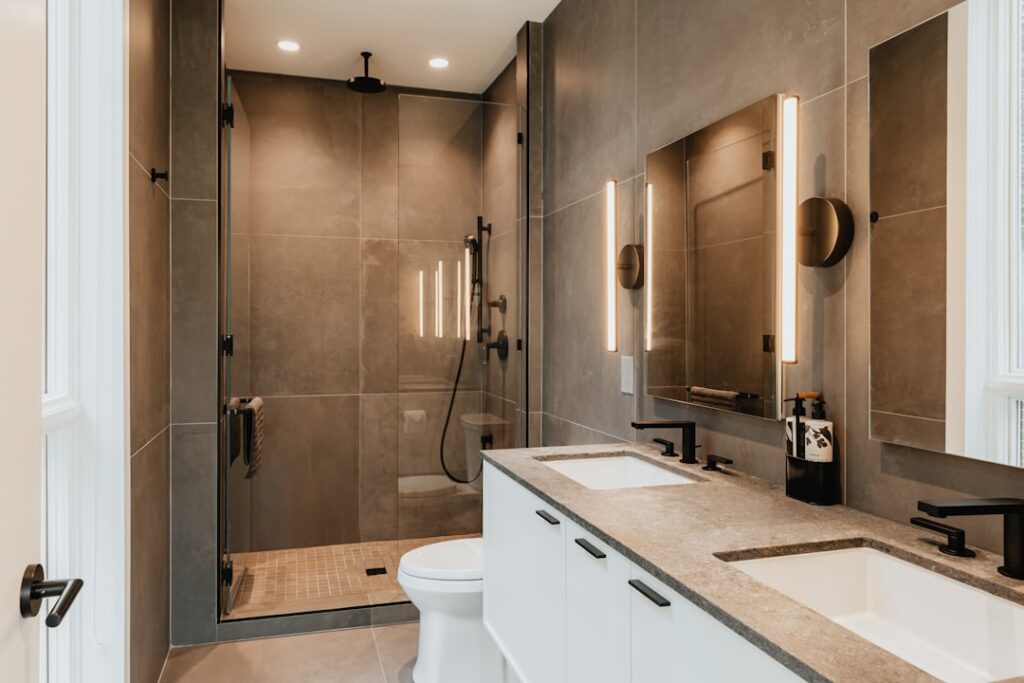
Nothing makes a shower feel like a spa quite like natural stone underfoot. A stone shower floor brings organic texture, natural slip resistance, and a luxurious look that ceramic tile struggles to match. Whether it is a bed of smooth river pebbles or a slab of honed marble, stone turns a daily routine into something that feels elevated.
That beauty comes with responsibilities. Natural stone is porous and demands sealing and careful cleaning, so it rewards homeowners who are willing to maintain it. This guide walks through the honest pros and cons, the stone options, and how to choose well.
The Pros of a Stone Shower Floor
Stone earns its premium reputation for several practical and aesthetic reasons.
- Natural slip resistance: Textured stone and pebble floors grip wet feet better than smooth glazed tile.
- Distinctive beauty: No two stones are identical, giving each floor a one-of-a-kind look.
- Spa-like feel: Pebble floors offer a gentle massage underfoot that many homeowners love.
- Durability: Properly installed and sealed stone lasts for decades.
- Added value: Natural stone reads as a premium upgrade to buyers.
For a shower that feels custom and high-end, stone delivers an experience that mass-produced tile rarely matches.
The Cons to Weigh
Stone is not maintenance-free, and being honest about the downsides prevents regret.
- Requires sealing: Porous stone must be sealed regularly to resist water and stains.
- More grout to clean: Pebble floors especially have extensive grout lines that need attention.
- Sensitive to chemicals: Acidic cleaners etch marble, travertine, and other calcium-based stones.
- Higher cost: Both material and skilled installation cost more than standard tile.
- Cold underfoot: Stone feels cold without radiant heat, though many find it refreshing.
If you want a truly low-maintenance shower, a porcelain stone-look tile gives the appearance without the sealing routine.
Popular Stone Options
The stone you choose affects look, grip, and upkeep. Match the type to your priorities.
- Pebble and river rock: Excellent grip and a spa feel, with lots of grout to maintain.
- Slate: Naturally textured, slip-resistant, and durable, with rich earthy tones.
- Marble: Luxurious and elegant but soft, acid-sensitive, and higher maintenance.
- Travertine: Warm and classic, porous, and needs diligent sealing.
- Granite: Very hard and stain-resistant once sealed, with bold patterning.
For a shower floor specifically, textured options like slate and pebble offer the best traction, while polished marble is better suited to walls than wet floors.
Sealing and Maintenance
Sealing is the single most important habit for a stone shower floor. Natural stone absorbs water, and without a sealer it can stain, harbor soap scum, and develop mineral deposits.
Apply a penetrating sealer after installation and reapply on a schedule, often every six months to a year in a wet shower, or whenever water stops beading. For cleaning, use a pH-neutral stone cleaner. Avoid vinegar, citrus, and acidic or abrasive products, which etch and dull many stones. Squeegee the floor after showers to reduce water spotting and soap buildup, and ventilate the bathroom to discourage mildew. Always follow your sealer and stone supplier’s care instructions.
What a Stone Shower Floor Costs
Cost depends on the stone and the complexity of installation. Treat these as planning estimates.
- Pebble tile sheets: roughly $5 to $15 per square foot for material.
- Slate and travertine: about $5 to $15 per square foot.
- Marble and premium stone: $10 to $40 per square foot or more.
- Professional installation: typically $10 to $25 per square foot, higher for intricate work.
- Sealer: a modest ongoing cost, but plan for periodic resealing.
A shower floor is a small area, so even premium stone stays affordable compared with tiling an entire bathroom, but skilled installation in a wet area is worth paying for.
Installation Considerations
A shower floor must shed water properly, which makes installation more demanding than a dry floor. Proper slope to the drain and a sound waterproofing membrane underneath are non-negotiable.
Keep these points in mind:
- The substrate must slope correctly toward the drain to prevent pooling.
- A waterproof membrane below the stone protects the structure from leaks.
- Pebble floors need careful grouting to fill between stones without burying them.
- Seal porous stone before grouting to keep grout from staining the surface.
- Choose a grout and setting material rated for wet, submerged conditions.
Because waterproofing failures cause expensive hidden damage, a stone shower floor is a project where hiring an experienced tile professional usually pays off.
Design Ideas to Consider
A stone shower floor can complement or contrast with the surrounding walls depending on the effect you want. Pairing a pebble floor with large-format wall tile creates pleasing texture contrast, while matching slate floor and walls produces a cohesive, spa-like envelope. Marble accents on a niche or bench tie a luxury look together.
Keep these design pointers in mind:
- Contrast textures: A pebble or split-face floor against smooth walls adds depth.
- Coordinate tones: Match warm travertine floors with warm wall tile for harmony.
- Mind the scale: Smaller stones suit small showers; large slabs suit big walk-ins.
- Plan the drain: A linear drain pairs well with large stone tiles and a single-slope floor.
- Add radiant heat: Warms cold stone underfoot for a true spa experience.
Thinking through these choices before installation helps the floor feel intentional rather than tacked on.
Is a Stone Shower Floor Right for You?
Choose stone if you want a natural, spa-like shower with genuine grip and character, and if you are willing to seal and clean it with the right products. Slate and pebble in particular reward that care with traction and beauty that tile cannot fully imitate.
If low maintenance matters most, a quality stone-look porcelain gives you much of the appearance without the sealing schedule. Be honest with yourself about whether you will keep up with sealing and gentle cleaning, because the most beautiful stone floor still depends on that routine to stay looking its best. Weigh the upkeep honestly, choose a textured stone suited to wet floors, insist on proper waterproofing and slope, and a stone shower floor will turn an ordinary bathroom into a retreat for years to come.
Prefer to explore on your own?
See how new flooring looks in your actual room in seconds — free, no signup.
Try the free Floor Studio →