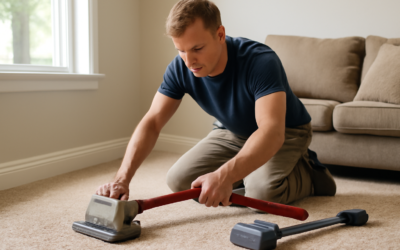
Surface Shields Carpet Shield is a self-adhesive polyethylene film designed to protect carpeted floors from foot traffic, dust, paint splatter, and debris during construction, remodeling, or moving projects. Contractors have relied on this product for decades because it lays down fast, sticks without residue, and holds up under repeated foot and equipment traffic far better than drop cloths or masking paper alone.
- What Is Surface Shields Carpet Shield?
- Standard Sizes and Roll Specifications
- How to Install Carpet Shield Correctly
- How Long Can You Leave It Down?
- Removing Carpet Shield Without Damage
- Where Carpet Shield Gets Used
- Surface Shields Carpet Shield vs. Other Protection Methods
- Cost Considerations
- Tips for Getting the Best Results
Whether you’re a homeowner tackling a DIY painting project or a contractor managing a full renovation, understanding how this film works, how to install it correctly, and when to remove it will save you from costly carpet damage and cleanup headaches. This guide covers everything from product specs to real-world application tips.
What Is Surface Shields Carpet Shield?
Surface Shields is a brand of temporary surface protection products manufactured for the construction and trades industry. Their carpet shield line consists of a thin, clear or tinted polyethylene film with a low-tack adhesive backing on one side. The adhesive is engineered to grip carpet fibers firmly enough to stay in place during heavy foot traffic but release cleanly when it’s time to remove it, without pulling up fibers or leaving sticky residue behind.
The film itself is breathable in the sense that it doesn’t trap excessive moisture against carpet fibers, which reduces the risk of mold or mildew forming underneath during multi-day projects. This distinguishes it from plastic sheeting or tarps, which can trap humidity and cause carpet odor problems if left down too long.
Standard Sizes and Roll Specifications
Surface Shields Carpet Shield typically comes in roll widths of 24 inches and 36 inches, with roll lengths commonly available at 200 feet and 500 feet. A 36-inch by 200-foot roll covers approximately 600 square feet, which is enough for a mid-size living room and hallway combination in a single roll. Larger commercial jobs, like hotel corridors or office floors, often require multiple 500-foot rolls.
The film thickness generally runs between 2 and 3 mils, thin enough to stay flexible and conform to carpet texture, yet durable enough to resist tearing from foot traffic, ladders, and rolling equipment carts. Some product lines offer a heavier-duty version around 3.5 mils for jobsites expecting scaffolding or repeated equipment movement over the same path.
How to Install Carpet Shield Correctly
Preparing the Floor
Vacuum the carpet thoroughly before installation. Any dirt, grit, or debris left underneath the film will get pressed into the carpet fibers by foot traffic over the following days or weeks, potentially causing permanent staining or matting. Also make sure the carpet is completely dry; installing carpet shield over damp carpet traps moisture and can lead to mildew.
Laying the Film
- Start at one wall and unroll the film across the carpet, adhesive side down.
- Press firmly along the length of the roll to activate the adhesive bond with the carpet fibers.
- Overlap each subsequent row by 2 to 3 inches to prevent gaps where debris could reach the carpet.
- Trim excess film at doorways and baseboards using a utility knife.
- Avoid stretching the film taut; slight slack helps it conform to uneven carpet padding without tearing.
For stairs, many contractors cut individual strips per tread rather than trying to run one continuous piece, since stair nosing and riser transitions cause the film to bunch and tear if forced around corners.
How Long Can You Leave It Down?
Most Surface Shields Carpet Shield products are rated for removal within 30 to 45 days of application. Leaving the film down longer increases the risk of adhesive residue transferring to carpet fibers, particularly in rooms with direct sunlight exposure, since UV rays and heat can break down the adhesive chemistry over time. For projects expected to run longer than six weeks, plan to swap in a fresh layer of film partway through rather than pushing the original past its rated window.
Temperature matters too. In rooms above 85°F, adhesive can soften and become harder to remove cleanly. In rooms below 50°F, the film becomes stiffer and more prone to cracking at fold lines. Most manufacturers recommend application in spaces maintained between 50°F and 90°F for best results.
Removing Carpet Shield Without Damage
Removal is straightforward if you follow the right technique. Pull the film up slowly at a low angle, close to parallel with the floor, rather than yanking straight up. Pulling straight up increases the chance of lifting carpet fibers along with the film. Work in the same direction as the carpet pile whenever possible.
If the film has been down near the upper end of its rated timeframe, a hair dryer or heat gun on low setting can soften stubborn adhesive spots before pulling. Roll up the used film as you go rather than leaving loose sections underfoot, since discarded film becomes a slip hazard on a busy jobsite.
Where Carpet Shield Gets Used
Painters use carpet shield to protect flooring during interior painting jobs, especially when spraying trim or ceilings where overspray travels farther than with a roller. Movers and moving companies lay it down in hallways and staircases to prevent scuffing and tracked-in dirt during furniture transport. General contractors use it during kitchen and bathroom remodels when workers are walking through carpeted areas repeatedly while carrying tools, tile, or drywall.
Real estate stagers and open-house coordinators also use carpet shield temporarily during showings when foot traffic volume is high and the carpet needs to look pristine for photos immediately after removal. It’s a cheap insurance policy compared to a professional carpet cleaning bill or, worse, a full carpet replacement after a stubborn stain sets in.
Surface Shields Carpet Shield vs. Other Protection Methods
Compared to canvas drop cloths, carpet shield offers a continuous barrier against liquids and fine dust that fabric simply can’t match, since paint and drywall dust seep through woven canvas fibers. Compared to red rosin paper, carpet shield adheres directly to the carpet and won’t slide or bunch up under foot traffic, which is a common complaint with paper products on carpeted surfaces. Rosin paper works better on hard flooring where it can be taped down at the seams, but on carpet it tends to shift within a day or two of walking on it.
Cardboard sheeting is another common alternative, but it’s bulky, doesn’t conform to stairs or thresholds, and offers no moisture protection if a bucket tips over. Carpet shield’s adhesive backing solves the sliding problem that plagues both rosin paper and cardboard on soft flooring.
Cost Considerations
A 36-inch by 200-foot roll typically runs between $45 and $70 depending on film thickness and retailer, which works out to roughly 8 to 12 cents per square foot. For comparison, professional carpet cleaning after a paint spill or heavy construction traffic can run $150 to $400 per room, and full carpet replacement after permanent staining or matting can run $3 to $8 per square foot installed. The upfront cost of carpet shield is minor compared to the potential cleanup or replacement expense it prevents.
Buying in bulk from a janitorial supply distributor or trade supplier often brings the per-roll price down 10 to 15 percent compared to retail home improvement stores, which matters for contractors running multiple jobs per month.
Tips for Getting the Best Results
- Always test a small, inconspicuous area first if the carpet is delicate, antique, or a light color, since adhesive interaction can vary by carpet fiber type.
- Avoid applying carpet shield over wet carpet cleaning solution or freshly shampooed carpet; wait at least 24 hours for the carpet to dry fully.
- Label the direction of high-traffic paths with extra overlap or a second layer in doorways and hallways, since these areas see the most wear.
- Keep a utility knife and extra rolls on hand for quick patch repairs if a section tears during the project.
- Store unused rolls in a cool, dry place; heat exposure in a hot garage or truck bed can degrade the adhesive before you even open the roll.
Used correctly, Surface Shields Carpet Shield is one of the simplest ways to protect a significant investment in flooring during a messy phase of home improvement. It takes minutes to install, costs pennies per square foot, and removes cleanly when the job is done, making it a staple in any contractor’s or serious DIYer’s toolkit.