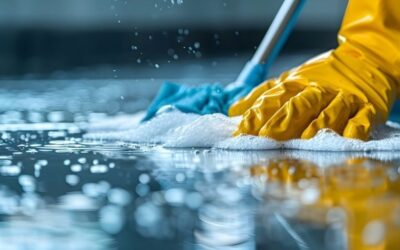
Walk into any Target or Walmart and the cleaning aisle has more Swiffer products than coffee brands. The swiffer duster mop sits at the intersection of two product lines — the dry-sweep PowerMop family and the fluffy yellow Duster wands — and that overlap is exactly where homeowners get confused. One picks up dust. One picks up dirt. They are not the same tool, and using the wrong one will leave you redoing the floor an hour later.
- What Exactly Is a Swiffer Duster Mop
- Dry Pads vs Wet Pads: Pick Based on the Mess
- How a Swiffer Duster Mop Compares to a Real Mop
- Best Swiffer Duster Mop Models for 2026
- Refill Costs That Sneak Up on You
- Where the Swiffer Duster Mop Falls Short
- Tips That Make a Swiffer Duster Mop Work Harder
- Is a Swiffer Duster Mop Worth Buying in 2026
I have used these things on everything from oak floors in a 1920s bungalow to luxury vinyl plank in new builds. The honest takeaway is that they work brilliantly for what they were designed for, and badly for everything else.
What Exactly Is a Swiffer Duster Mop
The Duster line is the fluffy yellow fiber on a stick. It traps dust through electrostatic charge — the fibers are coated to attract particles instead of pushing them around. The mop line uses flat dry or wet cloths that snap onto a hinged head, plus the newer PowerMop with a built-in spray trigger and battery scrubber.
The “duster mop” terminology usually refers to one of three setups. A long-handled Duster on a 3-foot extension wand for floors and ceiling fans. A Sweeper with dry pads for picking up pet hair and crumbs. Or a WetJet PowerMop for wet cleaning with the Swiffer cleaning solution.
Dry Pads vs Wet Pads: Pick Based on the Mess
Dry pads cost around $0.30 each at bulk-pack pricing — a 32-count refill runs about $10 at Costco. They handle hair, dust bunnies, and dry crumbs better than any broom on hardwood because the cloth grabs particles instead of scattering them. Wet pads run closer to $0.50 each and come pre-soaked with cleaner. Use them on sealed surfaces only. Tile, sealed hardwood, laminate, and luxury vinyl plank are all fine.
Skip wet pads on unsealed wood, oiled finishes, and anything with wax. The moisture and detergent can cloud the finish over time. For those floors, dry-sweep first, then follow with a damp microfiber and a separate cleaner like Bona Hardwood Floor Cleaner.
How a Swiffer Duster Mop Compares to a Real Mop
A traditional string mop and bucket pushes dirty water around. A flat microfiber mop with a wringer is more sanitary but harder to use. A Swiffer wet pad is single-use and disposable, which is its biggest advantage and biggest drawback. You never reintroduce dirt to the floor. You also generate trash and ongoing refill costs.
For a 1,500-square-foot home cleaned weekly, expect to spend roughly $20 to $30 a month on Swiffer refills. A reusable microfiber pad system like the O-Cedar EasyWring runs $35 once and lasts a couple of years.
Best Swiffer Duster Mop Models for 2026
Three are worth considering. The Swiffer Sweeper 2-in-1 at around $13 is the entry point — a swivel head, dry and wet pad compatibility, and no batteries. The Swiffer WetJet PowerMop at $40 adds a battery-powered scrubber and is the right choice if you have textured tile or grout lines that need agitation. The Swiffer Heavy Duty Dusters at $10 for the starter kit are essential for ceiling fans, baseboards, and blinds — different product, same family.
Skip the older WetJet models without the PowerMop scrubber. They leave streaks on textured floors and the spray trigger fails after about a year of regular use.
Refill Costs That Sneak Up on You
Swiffer makes its money on refills, not the handles. Stock up at Costco or buy generic. Generic dry pads from brands like Member’s Mark or Amazon Basics fit the same head and cost roughly half as much. Wet pad cleaning solution is harder to swap — the bottles use a proprietary nozzle. Some homeowners refill empty bottles with diluted Bona or vinegar and water, but you will void any warranty.
For dusters, the refill heads run about $1 each in bulk. They last for one solid cleaning session — a full house dusting top to bottom — before they stop holding charge.
Where the Swiffer Duster Mop Falls Short
Heavy mud, dried-on food, sticky spills — these all defeat a Swiffer. The pad clogs in seconds. You end up smearing rather than cleaning. For mudroom floors and kitchens with frequent spills, keep a dedicated string mop or steam mop on hand. The Bissell PowerFresh Steam Mop at $90 handles cooked-on grease and pet accidents better than any Swiffer ever will.
Carpet is another no-go. The dry pads pick up surface lint but cannot do real carpet cleaning. Use a vacuum first, then spot-treat with a carpet cleaner.
Tips That Make a Swiffer Duster Mop Work Harder
Sweep or vacuum before you wet-mop. Pads clog in 30 seconds if you skip this step. Replace pads more often than you think — once a Swiffer pad turns gray, it is just spreading dirt. Use both sides of a dry pad before swapping. Store the handle vertically, head up, so the bristles do not flatten. And clean the head joint every few months — a piece of paper towel under hot water gets the gunk off the swivel hinge.
For dusters, give the wand a gentle shake into a trash bag halfway through a session. The fibers release some of the dust they have collected, restoring grab strength for the second half of the room.
Is a Swiffer Duster Mop Worth Buying in 2026
Yes, with realistic expectations. It is the fastest tool for a quick floor refresh — five minutes between weekly deep cleanings. It is not a replacement for a real mop on heavily soiled surfaces, and the long-term refill cost adds up. Buy the basic Sweeper plus a starter pack of dry and wet pads for under $25, and only upgrade to the PowerMop if your floors have texture that needs scrubbing. Pair it with a Heavy Duty Duster for vertical surfaces and you cover roughly 80 percent of weekly cleaning tasks for less than $40 in upfront cost.