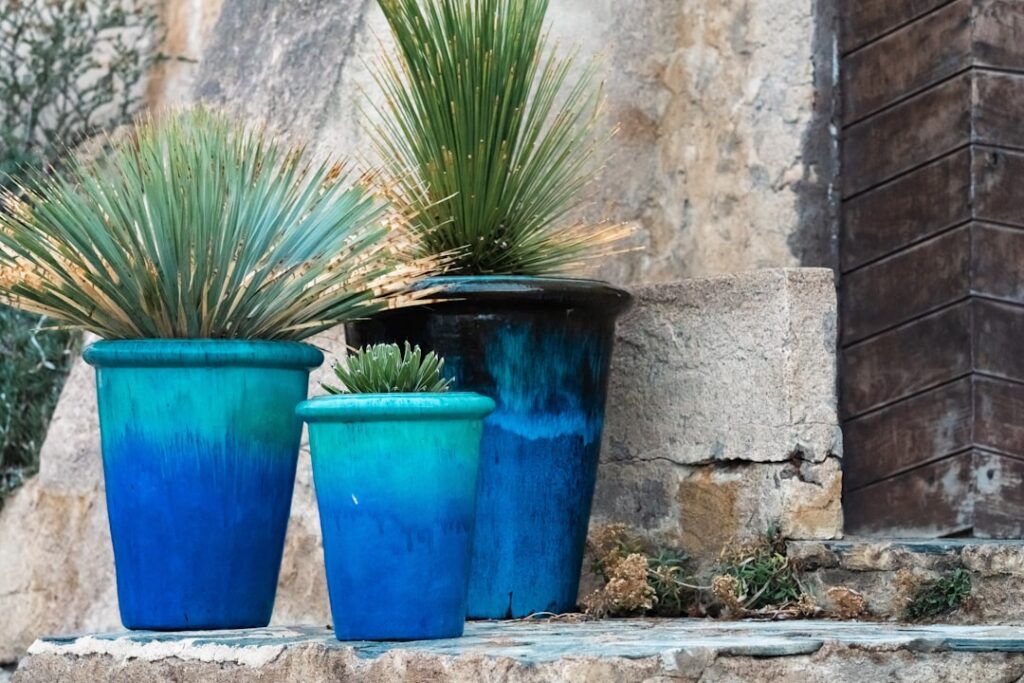
Tall ceramic planters bring instant height, structure, and polish to entryways, patios, and living rooms, making them a favorite for homeowners who want to elevate a space, literally and visually. Their substantial presence frames doorways, defines outdoor seating areas, and gives upright plants like fiddle-leaf figs or ornamental grasses the proportional vessel they deserve. The glossy or matte glazed finish also adds a refined, finished look that plastic simply cannot match.
This guide covers how to choose the right planter, the drainage and weight considerations that matter most, placement ideas, and how to care for both the pot and the plants inside.
Why Choose Tall Ceramic Planters
Height is the obvious draw. A tall planter draws the eye upward, balances tall furniture or high ceilings, and makes even a modest plant feel like a statement. Ceramic adds further advantages: the glazed surface comes in nearly endless colors and patterns, the heavy material resists tipping in wind, and quality pieces look high-end indoors or out.
The weight is both a strength and a consideration. A solid ceramic planter stays put in a breezy spot, but it is also harder to move once filled, so placement deserves thought before you load it with soil.
Choosing the Right Planter
Match the planter to the plant and the location. A pot that is too large drowns roots in excess wet soil, while one too small stunts growth and dries out fast.
- Proportion: The planter should be roughly one-third the height of the plant for a balanced look.
- Drainage hole: Look for a drainage hole, especially for outdoor use, or plan to add a layer and water carefully if there is none.
- Glaze and finish: Glossy reads modern and bright; matte or textured feels organic and earthy.
- Frost rating: For outdoor use in cold climates, choose frost-resistant ceramic, since freezing water can crack standard pots.
- Indoor vs. outdoor: Confirm the planter is rated for where you intend to use it.
Drainage Is Everything
Most plant deaths in decorative pots come down to drainage, not neglect. Standing water rots roots quickly. If your planter has a drainage hole, use a saucer indoors to protect floors and empty it after watering so the pot never sits in water.
If a planter has no hole, the simplest safe approach is the cachepot method: keep the plant in its plastic nursery pot, set it inside the ceramic planter, and lift it out to water and drain before returning it. This protects the roots and keeps the beautiful ceramic exterior clean and dry.
Managing Weight in Tall Planters
Filling a large planter entirely with potting soil makes it extremely heavy and wastes soil that deep-rooted plants will never reach. A common technique is to fill the bottom third or half with a lightweight filler, such as inverted nursery pots, foam blocks, or empty plastic bottles, then add soil on top. This reduces weight, saves on potting mix, and still gives roots ample room.
Decide on the final location before filling. Once a tall ceramic planter is full of soil and a mature plant, it can be very difficult to move, and dragging it risks chipping the glaze or scratching floors. A wheeled plant caddy underneath is a smart solution if you anticipate needing to reposition it.
Styling and Placement Ideas
Tall planters earn their keep as design elements. Flank a front door or fireplace with a matching pair for symmetry and a welcoming, formal feel. Use a single dramatic planter to fill an empty corner, soften a hard architectural line, or screen a view on a patio. Group several at varying heights for a layered, garden-like cluster.
Indoors, a tall planter with an upright plant adds life to a reading nook or beside a sofa. Outdoors, they define seating zones, line walkways, and add greenery to balconies where ground planting is not an option. Coordinate the glaze color with your decor or let a bold pot become the accent.
Care and Maintenance
Ceramic is durable but not indestructible. Clean the exterior periodically with mild soap and water to remove dust, water spots, and mineral deposits, and avoid abrasive scrubbers that can dull the glaze. For outdoor planters in freezing climates, move non-frost-rated pots indoors or empty and cover them over winter, since trapped moisture that freezes is the leading cause of cracks.
Inspect for hairline cracks occasionally, especially around drainage holes where stress concentrates. Handle planters by the body rather than the rim, and use furniture pads or a caddy underneath to protect both the pot and your flooring.
Best Plants for Tall Planters
The right plant makes a tall planter sing. Upright, architectural plants that grow tall and relatively narrow suit the proportions best, drawing the eye up the length of the vessel. Trailing plants can also work beautifully when you want growth to spill over the rim and soften the height.
- Indoor uprights: Fiddle-leaf fig, rubber plant, bird of paradise, snake plant, and dracaena thrive in tall pots.
- Outdoor structure: Boxwood, ornamental grasses, dwarf evergreens, and small trees add year-round presence.
- Trailing accents: Pothos, ivy, or sweet potato vine cascade attractively over the edge.
- Seasonal color: Annual arrangements layered with thriller, filler, and spiller plants fill outdoor planters.
Indoor vs. Outdoor Use
While ceramic works in both settings, the demands differ. Indoor planters prioritize floor protection and drainage management, so a saucer and the cachepot method keep your flooring safe from leaks and rings. Choose a glaze and color that complement your interior, and remember that a filled tall planter can be heavy enough to dent or scratch hardwood without pads or a caddy beneath it.
Outdoor planters must contend with weather. In freezing climates, only frost-rated ceramic should stay out year-round, since water absorbed into the clay expands when it freezes and cracks the pot. Outdoor pots also benefit from a real drainage hole so rain does not waterlog the plant. Where winters are harsh, plan to empty, cover, or bring non-rated planters indoors before the first hard freeze.
Final Thoughts
For homeowners who want to add height, structure, and a designer touch, tall ceramic planters deliver lasting style indoors and out. The keys to success are choosing the right size for your plant, prioritizing drainage, managing weight with fillers, and protecting the ceramic from frost and impact. Get those basics right and a well-placed tall planter becomes a sculptural centerpiece that makes any space feel intentional and complete.
Prefer to explore on your own?
See how new flooring looks in your actual room in seconds — free, no signup.
Try the free Floor Studio →