
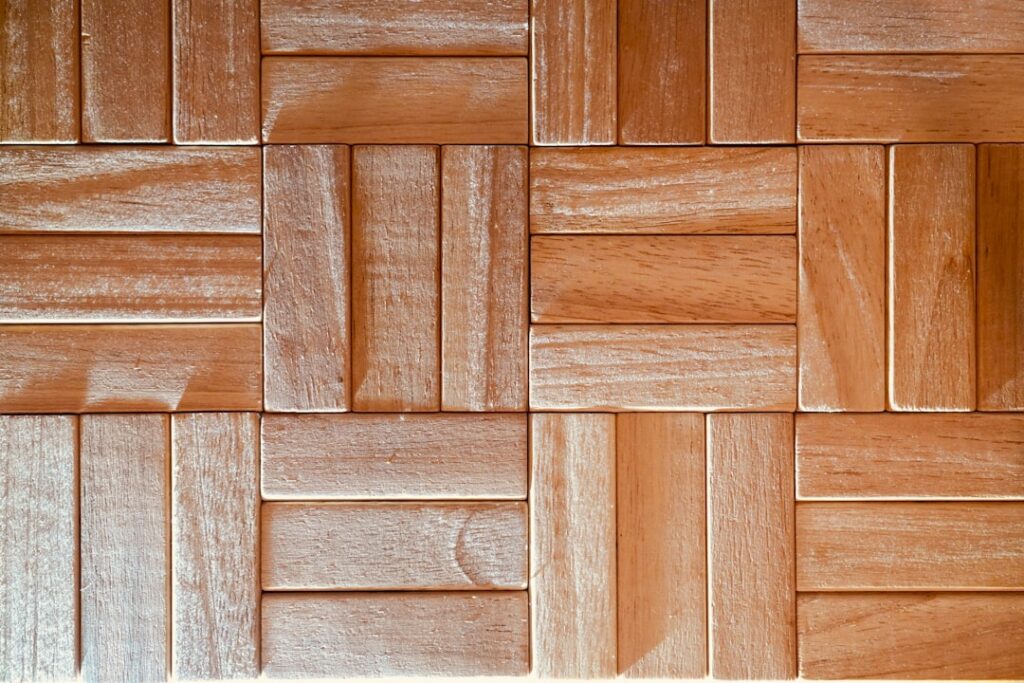
Despite the name, Tasmanian oak is not actually an oak — it is a marketing term for three Eucalyptus species (regnans, obliqua, and delegatensis) native to southeastern Australia. Tasmanian oak flooring has a devoted following among designers who want a pale, straight-grained hardwood with a slightly pinker tone than American white oak, but sourcing it in the US takes patience and a budget. This guide covers what you will pay, where to find it, and how it performs against domestic alternatives.
What Tasmanian Oak Actually Is
The three eucalypts grouped under the Tasmanian oak label all grow in the cool, wet highlands of Tasmania and Victoria. They are commercially interchangeable for flooring because milled boards from any of the three look nearly identical: light straw-cream heartwood, occasional pink and gum vein, and a tight straight grain. Mature trees commonly hit 200 feet, which is why you see plank widths up to 7.5 inches without finger joints — something difficult to source in domestic American hardwoods.
Janka Hardness and Stability
Tasmanian oak rates roughly 1350 on the Janka scale, putting it just above red oak (1290) and below white oak (1360). Real-world dent resistance feels equivalent to red oak — fine for residential use, marginal for homes with large dogs or rolling office chairs. Dimensional stability is moderate; the wood moves more across grain than white oak, so installers should leave a slightly larger 1/2 inch expansion gap and acclimate boards 14 days minimum.
Pricing in the US Market
Because almost all Tasmanian oak ships from Australia, US prices reflect freight, tariffs, and limited dealer competition. Expect:
- Solid 3/4 inch unfinished: $8-12 per sq ft material only
- Engineered 5/8 inch with 4mm wear layer: $9-14 per sq ft
- Prefinished engineered with European UV oil: $11-15 per sq ft
- Wide plank (7-8 inch): $13-18 per sq ft
- Installation labor: $4-8 per sq ft on top, depending on prep and finish
Compare that to American white oak at $5-9/sq ft material and you can see why Tasmanian oak is typically a designer specification rather than a budget choice.
Where to Source in the United States
You will not find Tasmanian oak at Home Depot or Floor & Decor. The realistic channels are:
- Specialty importers: Iron Bark Lumber, Paterson Flooring (NY), Australian Hardwoods USA — small inventories, 8-16 week lead times
- Custom mills: Hull Forest Products and J. Gibson McIlvain occasionally stock Australian eucalypts for custom orders
- Direct shipment: Container orders direct from Tasmanian mills (ASH Group, Britton Timbers) for projects above 2,000 sq ft
- Reclaimed sources: Salvaged Tasmanian oak from old Australian wool sheds occasionally appears through reclaimed dealers like TerraMai
Plan 12 weeks from order to delivery, and budget for ocean freight surcharges that can add $1.50-2.50/sq ft.
Comparable US Species That Cost Less
If the look matters more than the species, several domestic alternatives get you 80-90% of the appearance at half the price:
- White oak (rift and quartersawn): Tightest grain match, $6-10/sq ft, widely available
- Red oak with limewash finish: Mimics the pale Tasmanian color, $4-7/sq ft material
- Hickory (select grade): Similar light tone with more character, harder at 1820 Janka
- Ash: Janka 1320 and very pale, increasingly hard to source after emerald ash borer losses
- Birch: Lighter and softer (Janka 1260), good visual stand-in at $4-6/sq ft
For a cost-conscious project, rift-cut white oak with a light Bona NordicSeal coat reads almost identical to natural Tasmanian oak.
Grades and Visual Character
Australian hardwood grading uses Select, Standard, and Feature designations, which roughly map to American Clear, Select, and Character grades. Select Tasmanian oak shows almost no knots or gum vein. Feature grade exposes the pink mineral streaks and small tight knots that many designers actually prefer. Order samples in both — the gap between grades visually is significant, and pricing differs by $2-3/sq ft.
Finishing Notes
Tasmanian oak takes stain unevenly because of its open eucalypt pores. For best results:
- Sand to 120 grit, water-pop with a damp microfiber pad before staining
- Use gel stains (Minwax Gel or General Finishes) to avoid blotching
- Apply 2-3 coats of Bona Traffic HD or Pallmann Magic Oil for residential traffic
- Allow 7-day cure before furniture and 30 days before full rugs
The wood will photo-darken slightly under UV — expect a warm honey shift in the first 6-12 months, similar to American cherry but less dramatic.
Pros and Cons at a Glance
- Pros: Pale unique tone, wide plank availability, comparable hardness to oak, sustainable plantation sources, takes oil finishes beautifully
- Cons: Long lead times, premium pricing, limited US dealer support, blotchy staining, requires careful acclimation
Common Install Pitfalls
Three mistakes account for most failed Tasmanian oak installations in the US: skipping the 14-day acclimation, installing over a slab without a Class 1 vapor barrier, and pinning the boards too tightly to baseboards. The eucalypt grain expands more across width than American oaks; tight install causes peaking within a humid summer. Always confirm subfloor moisture under 4% (wood) or 75% RH (concrete) before laying.
Bottom Line
Tasmanian oak flooring delivers a one-of-a-kind pale Australian hardwood look that nothing in the US species library quite matches. If your budget tolerates $12-18/sq ft installed and your timeline allows three months, it is a beautiful specification. For everyone else, rift-sawn white oak with a careful natural finish gets you to the same destination for half the cost.
Prefer to explore on your own?
See how new flooring looks in your actual room in seconds — free, no signup.
Try the free Floor Studio →

