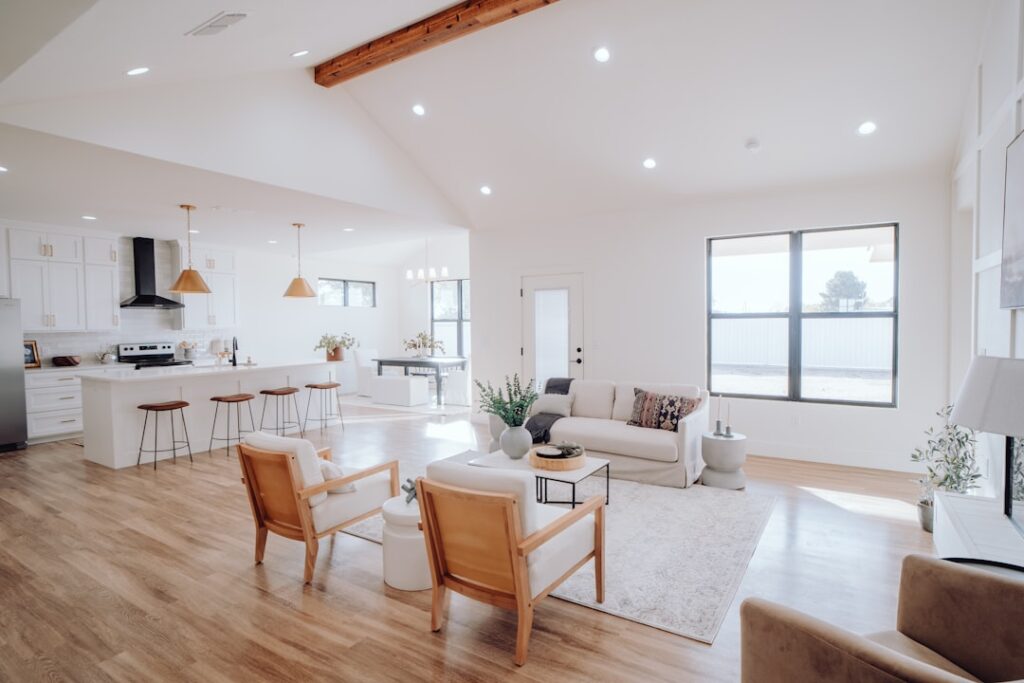
Most American homeowners have never heard of it, yet it floors a remarkable number of homes in one corner of the world. Tawa flooring is milled from a pale, fine-grained New Zealand native hardwood that has been a domestic flooring staple there for generations. If you are renovating a home with original Tawa floors, sourcing it for a project, or simply curious about this distinctive timber, knowing its character, strengths, and quirks will help you make the right call.
What Tawa Is
Tawa (Beilschmiedia tawa) is a native New Zealand tree found mainly in the North Island. The timber it produces is light in color — typically a creamy white to pale brown — with a fine, even, and relatively featureless grain. That understated look is precisely its appeal to some and its limitation to others.
Because it is a New Zealand native species rather than a globally traded hardwood, Tawa is largely a regional flooring material. Outside New Zealand and Australia it is uncommon, so most people encounter it in existing homes rather than at a flooring showroom.
Appearance and Character
The defining trait of Tawa is its pale, clean appearance. The wood ranges from near-white to light biscuit tones, sometimes with subtle pinkish or grayish streaks. Its straight, tight grain gives floors a smooth, contemporary look that suits minimalist and Scandinavian-inspired interiors.
Some boards display darker heartwood streaks or fine flecking, which adds gentle variation. Compared with the dramatic figure of oak or the rich color of walnut, Tawa is calm and uniform — a backdrop rather than a statement.
Hardness and Durability
Tawa is a moderately hard timber. It is firm enough for residential flooring and stands up to normal household traffic, but it is not among the hardest commercial hardwoods. In practical terms, that means it can dent under heavy impacts or sharp heels more readily than dense species like ironbark or hickory.
For typical living areas, bedrooms, and hallways it performs well. In very high-traffic zones or homes with large dogs, you will want to manage expectations and protect the surface with rugs at entry points and felt pads under furniture.
Pros of Tawa Flooring
- Light, neutral color that brightens rooms and pairs with almost any decor.
- Fine, even grain for a smooth, modern surface without busy figure.
- Takes finishes and stains well — its pale base accepts both clear coats and darker stains cleanly.
- A piece of regional heritage in many New Zealand homes, with genuine character when restored.
Its receptiveness to stain is a real advantage: the same Tawa floor can read as bright Nordic white under a clear matte finish or as a warm honey tone under a tinted oil.
Cons and Honest Limitations
Tawa’s pale color shows scuffs, dirt, and wear more visibly than darker woods, so it demands diligent cleaning. Its moderate hardness leaves it prone to denting in demanding spaces. And like all light timbers, it can yellow or shift tone over years of sunlight exposure.
Availability is the biggest practical hurdle outside its home region. Sourcing matching boards for repairs can be difficult, and new supply may be limited and priced accordingly. If you live far from New Zealand, factor in scarcity before committing to a Tawa-only design.
Care and Maintenance
Treat Tawa as you would any solid hardwood floor, with extra attention to its light surface. Sweep or vacuum regularly to keep grit from scratching the finish, and clean with a barely damp mop and a pH-neutral wood floor cleaner — never a soaking wet mop, which can swell the boards.
Place mats at exterior doors to catch grit, and use protective pads under furniture legs. Because the wood is pale, address spills quickly to avoid staining. A well-maintained Tawa floor can be sanded and refinished several times over its life, refreshing the surface and erasing accumulated wear.
Restoring an Existing Tawa Floor
Many older homes hide Tawa beneath carpet. If you uncover one, a sand and refinish often revives it beautifully. The light grain responds well to modern water-based finishes that preserve its natural color, while a tinted finish can modernize a dated yellow tone.
Check board thickness before sanding — older floors may have limited wear left — and patch any gaps with reclaimed Tawa where possible so repairs blend with the original timber.
How Tawa Compares to Other Light Woods
Tawa sits in a family of pale flooring timbers, and seeing it alongside the alternatives clarifies its place. Compared with white oak, Tawa is softer and far less widely available, though its grain is finer and more uniform. Against maple, another popular blond floor, Tawa is generally less hard but shares the same clean, light look. Beech and ash offer similar brightness with broader availability outside New Zealand.
What distinguishes Tawa is its regional identity and that smooth, almost featureless grain. If you specifically want the look and heritage of a New Zealand native floor, nothing substitutes for it. If you simply want a pale, modern wood floor and live far from its source, a harder and more available species may be the more practical pick.
Finishing Options
One of Tawa’s quiet strengths is how well it accepts finishes, giving you real control over the final look. A clear water-based finish preserves its pale, contemporary tone and resists yellowing, which suits Scandinavian and minimalist interiors. A tinted oil or stain can warm the wood toward honey or push it darker, transforming the same floor into something richer and more traditional.
Matte and satin finishes tend to hide minor scuffs better than high gloss, an advantage on a light-colored floor that shows wear readily. Whichever you choose, a quality finish also adds a protective layer that helps offset Tawa’s moderate hardness against everyday scratches.
Is Tawa Right for You
Tawa flooring rewards homeowners who want a light, understated, genuinely natural wood floor and are willing to keep it clean and protected. It is an excellent fit for restoration projects and for those drawn to its pale Scandinavian aesthetic. If you need maximum dent resistance, easy global availability, or bold grain character, a harder or more widely traded species may serve you better. But for the right home, Tawa offers quiet, timeless charm that few realize even exists.
Prefer to explore on your own?
See how new flooring looks in your actual room in seconds — free, no signup.
Try the free Floor Studio →