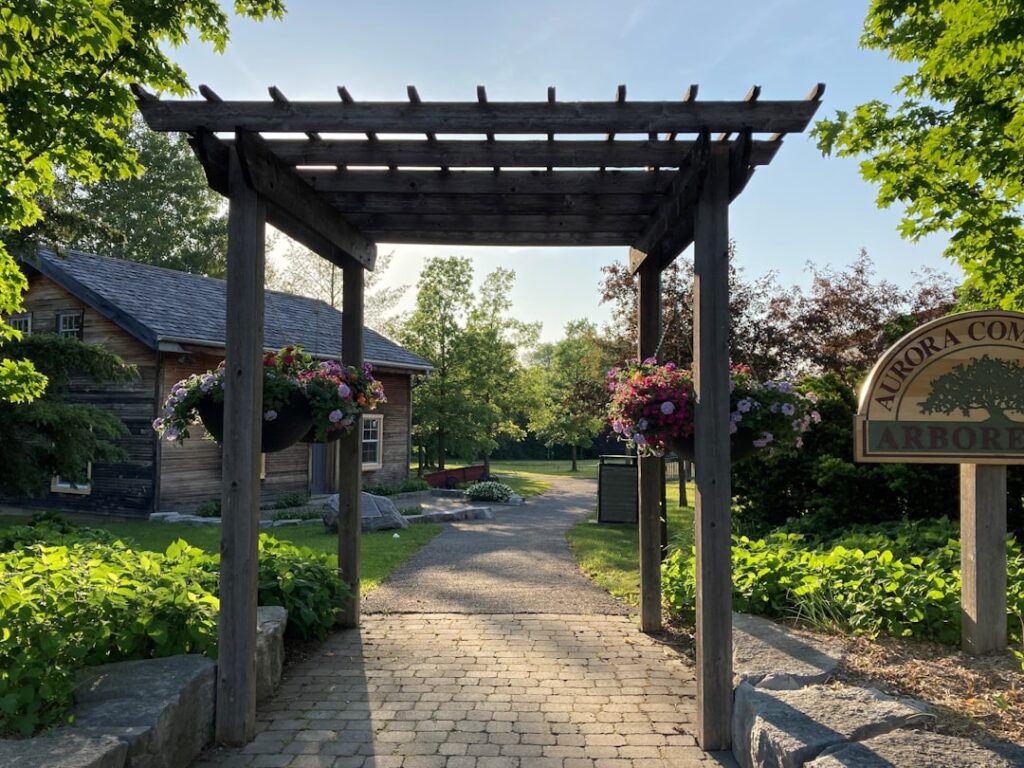
Not every backyard upgrade needs concrete and a permit. A temporary pergola gives you shade, structure, and a defined outdoor room without digging footings or committing to a permanent build. These freestanding, pop-up, and fabric-topped structures set up in an afternoon and come down just as easily, which makes them ideal for renters, seasonal use, or anyone testing a layout before going permanent. Here is what to know before you buy or build one.
- What Counts as a Temporary Pergola
- Common Types to Consider
- Anchoring: The Part Most People Get Wrong
- Honest Talk About Wind and Stability
- Choosing the Right Size and Materials
- Setup Tips That Save Frustration
- Adding Shade, Privacy, and Ambiance
- Cost and Lifespan Expectations
- Is a Temporary Pergola Right for You?
What Counts as a Temporary Pergola
A temporary pergola is any overhead shade structure that is not anchored into the ground with poured footings. Instead of being a fixed part of your property, it rests on the surface and relies on weighted bases, ground stakes, or attachment to an existing deck or patio. Most are built from lightweight aluminum, steel, or wood frames topped with a fabric canopy, slatted shade, or retractable cover.
The trade-off is right there in the name: easy to install means easier to move, but also less rooted and less weatherproof than a built-in structure. Understanding that balance is the key to choosing the right one.
Common Types to Consider
Temporary pergolas come in a few distinct styles, each suited to different needs:
- Pop-up canopy pergolas: Collapsible frames with a fabric top, often 10 by 10 feet or 10 by 12 feet. Fastest to set up, lightest, and the least wind-resistant.
- Freestanding fabric pergolas: Sturdier aluminum or steel frames with a fixed or sliding shade canopy. They look more like a true pergola and stay up all season.
- Grommet or sail-shade pergolas: Frames designed to hold shade sails, giving an open, modern look with adjustable coverage.
- Deck-mounted kits: Posts that bolt to an existing deck surface rather than into the soil, blurring the line between temporary and semi-permanent.
Anchoring: The Part Most People Get Wrong
The single biggest mistake with a temporary pergola is treating it as set-and-forget. Without footings, anchoring is what keeps it from becoming a sail in the next gust. Your options depend on the surface:
- On grass or soil: Use long auger-style ground anchors or heavy-duty stakes at every leg, plus guy ropes for taller frames.
- On a patio or concrete: Use weighted base plates, sandbags, or fillable water weights at each post. Many homeowners stack 40 to 75 pounds per leg.
- On a deck: Bolt-down brackets give the most stability if your deck framing can support it.
Combine methods when you can. Stakes plus weights, or weights plus guy lines, dramatically improve stability over any single anchor type.
Honest Talk About Wind and Stability
Here is the part the product photos never show: temporary pergolas are vulnerable to wind. A fabric canopy catches air like a sail, and a lightweight frame can shift, lift, or fold in a strong gust even when staked. Treat any temporary structure as fair-weather equipment.
Practical guidance most owners learn the hard way:
- Take the canopy down or open vented panels before storms and sustained high winds.
- Never leave a pop-up canopy up unattended during a forecast of gusts above roughly 20 to 25 mph.
- Choose canopies with mesh vents, which let air pass through instead of pushing against the frame.
- Store collapsible models indoors over winter to protect fabric and joints.
A frame rated for higher wind, fully weighted and guyed, holds up far better, but no temporary pergola is a substitute for a permanent, footed structure in severe weather.
Choosing the Right Size and Materials
Measure your space and your intended use before buying. A two-person bistro setup fits comfortably under a 10-by-10-foot canopy, while a dining table for six wants 12 by 14 feet or larger. For the frame, powder-coated aluminum resists rust and stays light, steel is heavier and more stable but can corrode if the coating chips, and wood looks the most natural but needs sealing and adds weight. Canopy fabric should be UV-resistant and ideally water-repellent, with a tight weave that blocks sun without trapping heat.
Setup Tips That Save Frustration
A smooth installation comes down to a few habits:
- Pick a level spot and clear it of debris so legs sit evenly.
- Assemble the frame fully before attaching the canopy, and recruit a second person for larger models.
- Anchor every leg before stretching the fabric tight, not after.
- Check tension and anchors weekly, since fabric loosens and stakes work free over time.
Adding Shade, Privacy, and Ambiance
The frame is only the starting point. Once your temporary pergola is up and anchored, a few additions turn it from a bare structure into a comfortable outdoor room:
- Outdoor curtains on the sides block low-angle sun, add privacy, and soften the look. Use ties so they do not flap or catch wind.
- Climbing plants in pots, like jasmine or annual vines, can be trained up the legs for a greener feel without permanent planting.
- String lights or solar lanterns make the space usable after dark and add warmth.
- An outdoor rug and weather-resistant furniture define the floor area and make the spot feel finished.
Keep any add-ons lightweight and removable, since extra fabric increases wind load on a structure that is already less anchored than a permanent build.
Cost and Lifespan Expectations
Temporary pergolas span a wide price range, from budget pop-up canopies to sturdier season-long aluminum frames with sliding shades. Spending a bit more on a heavier frame and a UV-stabilized canopy generally pays off in longevity, since the cheapest fabric tops fade and fray within a season or two of full sun. Be honest with yourself about lifespan: even a good temporary pergola is not a 20-year structure. With proper care, off-season storage, and prompt repairs, you can reasonably expect several years of use before the canopy or joints need replacing.
Is a Temporary Pergola Right for You?
If you want shade this weekend, rent your home, or simply do not want the cost and commitment of a permanent build, a temporary pergola is a smart, flexible choice. Just go in with realistic expectations: it is a seasonal, fair-weather structure that rewards proper anchoring and gets put away before bad weather. Manage those limits, and a temporary pergola can transform a bare patio into a comfortable outdoor room for years of warm-weather use.