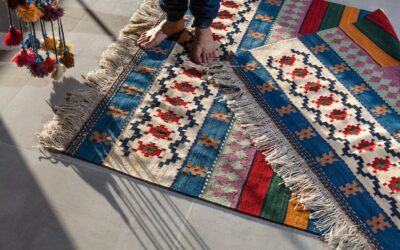
A terracotta rug 8×10 covers 80 square feet of floor and brings a warm, sun-baked clay color into a room that’s become one of the most requested design trends over the last several years. Terracotta sits somewhere between orange, rust, and brick red, and it reads as earthy rather than bold, which is why it works in so many different design styles from Southwestern to Mediterranean to modern boho. If you’re considering this color and size combination, here’s what to know about how it fits a room, which materials hold the color best, how to style it, and how to keep it clean.
Why Terracotta Has Become So Popular
Terracotta gets its name from the fired clay pottery it resembles, and that association with natural, handmade materials is exactly why designers have leaned into it recently. Unlike a true red or orange, which can feel aggressive in a large dose, terracotta has enough brown and pink undertone to feel grounded and warm rather than loud. It photographs beautifully against natural materials like wood, rattan, and linen, which explains its heavy presence in boho and Mediterranean-inspired interiors over the past several design cycles. Because it’s a warm, mid-saturation color rather than a stark neutral, it also does a better job than plain beige or gray at hiding everyday dirt and light stains.
Where an 8×10 Rug Fits in Your Home
An 8×10 rug is the most common size sold in the United States, and for good reason: it fits comfortably in a living room between 12×14 and 14×16 feet, leaving 2 to 3 feet of exposed flooring around the perimeter, which most designers consider the ideal border. In that setup, the front legs of a sofa and chairs should sit on the rug while the back legs can rest just off the edge, or all four legs can sit on the rug if your seating area is more compact. An 8×10 also works well in a dining room with a table seating six, giving chairs enough room to slide back without falling off the rug’s edge, provided the table is no larger than roughly 6 feet long.
In a primary bedroom, an 8×10 rug typically gets placed so it extends 20 to 24 inches beyond the sides and foot of a queen or king bed, though a king bed with nightstands might require going up to a 9×12 instead. For a smaller living room under 12×12 feet, an 8×10 rug can feel like the right proportion where a 9×12 would touch the walls.
Material Options and How They Hold the Terracotta Color
Wool is generally the best material for a terracotta rug because natural wool fibers take dye deeply and hold rich, saturated color for many years without fading, even in higher-traffic rooms. A wool terracotta rug in 8×10 typically costs $600 to $1,800, with hand-knotted versions running higher, often $2,000 to $4,000, because of the labor involved.
Jute and jute-blend rugs bring a more muted, slightly heathered terracotta tone since the natural fiber doesn’t absorb dye as uniformly as wool, giving a rustic, sun-faded look that suits farmhouse and boho spaces well. These run $200 to $500 for an 8×10 but aren’t very forgiving of spills, since jute absorbs liquid quickly and can develop water rings if not blotted immediately.
Washable polyester rugs have made huge strides in recent years and now offer some of the best practical value for a terracotta rug in a household with kids or pets, since many can be tossed in a standard washing machine in sections or hosed down outside. These typically cost $150 to $400 for an 8×10 and hold their color reasonably well, though prolonged direct sunlight will fade synthetic dyes faster than it fades wool. Cotton flatweave terracotta rugs, often with a subtle pattern woven in, run $150 to $350 and work well in casual spaces like a sunroom or breakfast nook, though they show wear faster under heavy foot traffic.
Colors and Materials That Pair Well
Terracotta is a warm color, so the easiest pairings are other warm or neutral tones that don’t fight it for attention.
- Cream and off-white walls or furniture let terracotta stand out as the room’s warm anchor color.
- Sage or olive green accents, in throw pillows or plants, create a Mediterranean palette that’s been consistently popular in recent design trends.
- Navy blue accessories provide a striking complementary contrast without clashing, since navy sits opposite orange-based tones on the color wheel.
- Natural wood tones, especially warm oak or teak, echo the clay-based origin of the color and reinforce a grounded, organic feel.
- Black metal light fixtures or furniture frames add contrast and keep an all-warm palette from feeling flat.
Southwestern, Boho, and Mediterranean Styling Approaches
In a Southwestern-inspired room, pair a terracotta 8×10 rug with woven wall hangings, a leather or suede accent chair, and geometric throw pillows in mustard or cream to complete the look. A boho approach leans more toward layering: place a smaller vintage-style or jute runner partially over the terracotta rug’s edge, add macrame or rattan light fixtures, and mix in plants for texture. For a Mediterranean feel, keep the surrounding palette simple and light, whitewashed walls, linen curtains, and wrought iron accents, so the terracotta rug reads as the room’s single warm statement rather than one of many competing colors.
Cleaning and Long-Term Care
Vacuum a terracotta rug weekly using a vacuum with adjustable pile height, and check the fringe or edges on wool and jute versions, since these areas can fray with aggressive vacuuming over time. For spills, blot immediately with a clean, dry towel rather than rubbing, especially on jute, which can develop a permanent water stain if liquid isn’t addressed within a few minutes.
Rotate the rug 180 degrees every 6 months to even out fading from sunlight and foot traffic, since terracotta dye, like most colors, can gradually lighten in spots that get consistent direct sun exposure. Professional cleaning for an 8×10 rug generally runs $150 to $350 depending on material, and wool versions in particular benefit from a deep clean every 12 to 18 months to remove ground-in dirt that dulls the color over time. Washable polyester versions can typically go two to three years between professional cleanings if you’re keeping up with regular vacuuming and quick spot treatment.
What to Check Before You Buy
Terracotta shades vary quite a bit between retailers, ranging from a lighter, more peachy clay tone to a deeper, almost brick-red version, so it’s worth ordering a fabric swatch or sample before committing to an 8×10 purchase, since returns on a rug this size can involve freight shipping costs of $50 to $150. Check the rug’s colorfastness rating if it will sit in a sunroom or near large south-facing windows, and confirm the material’s cleaning instructions match your household’s realistic maintenance habits before you buy.
It also helps to check the rug’s pile height and backing before ordering, since a thicker wool pile around 0.5 to 0.75 inch will feel plusher underfoot but takes longer to dry after cleaning than a flatweave version around 0.25 inch. If you have hardwood or tile underneath, budget for a rug pad in the same 8×10 footprint at the time of purchase rather than treating it as an afterthought, since a properly sized pad prevents the rug from sliding and adds several years to its usable life by cushioning the backing against daily foot traffic.